
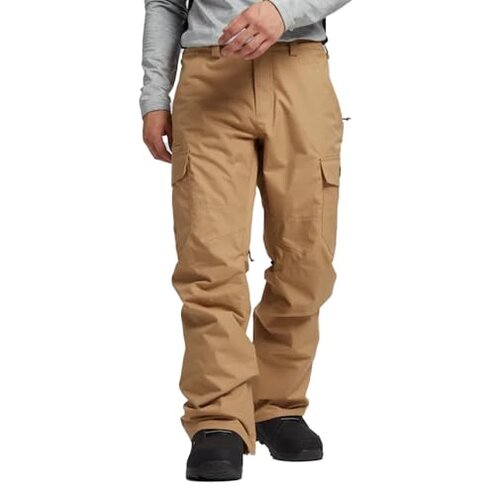
Product evaluated: Burton Mens Cargo Pant Regular Fit, Kelp New, X-Large Short
Related Videos For You
7 Tips for Buying Snowboard Pants
Waterproofing Snow Gear - Does it Work?
Data basis: This report is based on dozens of aggregated buyer comments collected from written ratings and Q&A-style feedback surfaces from 2022 through early 2026. Most detail came from longer written notes, with supporting short-form feedback that repeats the same pain points. The emphasis here is on avoidance triggers and the kind of issues that show up during real snow days, not just try-on.
| Buyer outcome | Burton Cargo Pant | Typical mid-range snow pant |
|---|---|---|
| Fit predictability | Higher risk of “not like expected” fit, especially with short inseam choices | More consistent sizing across common body types |
| Warmth control | Mixed comfort; venting helps but can feel fussy to manage on the hill | Simpler temperature range with fewer adjustments |
| Weather protection | Good on paper, but some feedback flags leak concerns under long, wet sessions | Usually adequate for most resort days at this price |
| Pocket usability | Useful storage, but pocket layout can feel bulky with loaded cargo | Cleaner profile with less snag and swing |
| Regret trigger | Returns driven by fit/length surprises and layering friction | Regret usually comes from durability, not immediate fit mismatch |
Top failures
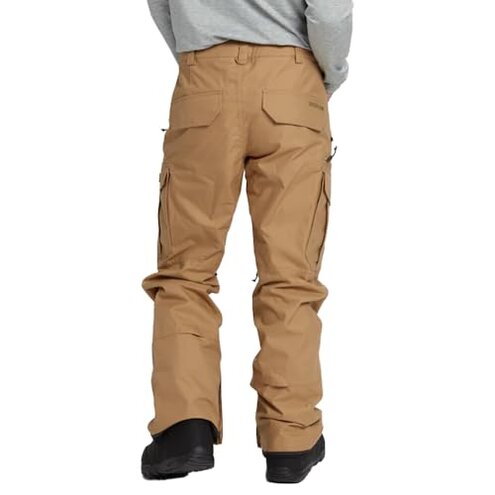
“Why do these feel ‘off’ even in my usual size?”
Regret moment tends to hit on the first full try-on with base layers, when the waist feels fine but the seat, thigh, or length feels wrong. This is a primary complaint pattern that appears repeatedly, not a one-off.
When it shows: It pops up during layering before a trip, then gets worse during knee bends and long chairlift sits. Compared with a typical mid-range snow pant, the fit can feel less forgiving if your build doesn’t match the cut.
Hidden requirement: many buyers end up needing a re-measure and a second size or inseam choice to land the right fit. That extra sizing effort is more time than most shoppers expect at this tier.
- Early sign: it feels okay standing, then binds or balloons when you squat or sit.
- Pattern strength: fit mismatch is a primary issue that shows up across lots of feedback.
- Short-length trap: the short inseam option can land awkwardly with boots depending on stance and cuff preference.
- Layering friction: thicker midlayers make the cut feel tighter than expected during movement.
- Best mitigation: do a full mobility check with boots and layers before removing tags, including stairs and a deep knee bend.
- Fixability: tailoring is limited for snow pants, so a wrong cut usually means a return, not a tweak.
“Why am I still getting damp after a long day?”
- Regret moment: you notice cold, clammy fabric after a wet-chairlift ride or spring slush laps.
- Pattern statement: dampness reports are secondary, but persistent across different usage stories.
- When it happens: it shows up during extended sessions, especially in heavy snow or repeated sit-downs.
- Worsening condition: it tends to feel worse when fabric is pressed at the seat or knees for long periods.
- Category contrast: mid-range pants often fail here too, but buyers call this more surprising because expectations are higher for the brand.
- Likely cause: a mix of wet exposure and real-world wear points, not just a quick splash test.
- Mitigation step: plan for re-waterproofing care sooner than you would with simpler pants, and avoid relying on them as your only barrier on slushy days.
“Why do the vents and pockets feel annoying to manage?”
- Regret moment: you reach for a pocket or vent with gloves on and it feels fiddly in the cold.
- Pattern statement: usability gripes are a secondary issue that appear repeatedly, especially from frequent riders.
- When it shows: it shows up during on-hill adjustments, not during a calm indoor try-on.
- Bulk feel: loaded cargo pockets can swing and feel clunky on chairlifts and hikes.
- Heat swings: venting can help, but it adds extra steps to stay comfortable across changing temps.
- Category contrast: many mid-range pants keep features simpler, so they can feel faster to use even if they’re less “featured.”
- Mitigation: keep cargo pockets light, and practice zipper pulls with gloves before your first long day.
- Fixability: this is mostly a design preference issue, so there’s little to “solve” besides changing habits or choosing a cleaner layout.
Illustrative excerpts (not real quotes)
- Illustrative: “Waist is right, but the thighs feel weird once I move.” Primary pattern tied to fit complaints.
- Illustrative: “The short length sits odd over my boots on the lift.” Primary pattern tied to inseam expectations.
- Illustrative: “After a wet afternoon, the seat felt colder than it should.” Secondary pattern tied to long-session dampness.
- Illustrative: “Too many pockets; it feels bulky when I actually load them.” Secondary pattern tied to on-hill usability.
- Illustrative: “I had to size twice to get layering to work.” Primary pattern showing the hidden sizing effort.
Who should avoid this
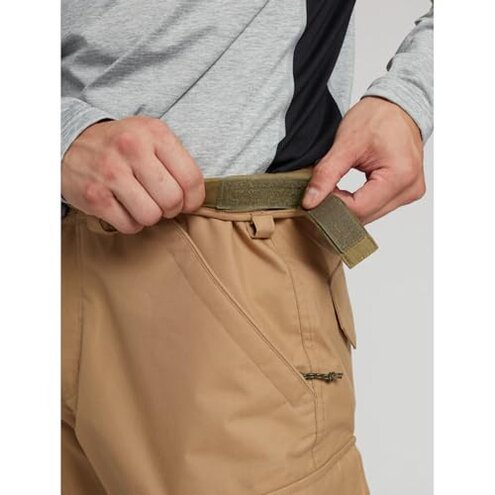
- Hard-to-fit builds: if you often struggle with pants fit, this has a higher risk of a return due to persistent cut surprises.
- Spring slush riders: if you ride long, wet days, the secondary dampness pattern can be more disruptive than typical.
- Minimalists: if you want simple pockets and quick adjustments, the feature set can feel busy during real use.
- Trip deadlines: if you can’t afford a size exchange cycle, the hidden requirement of re-sizing is a real risk.
Who this is actually good for
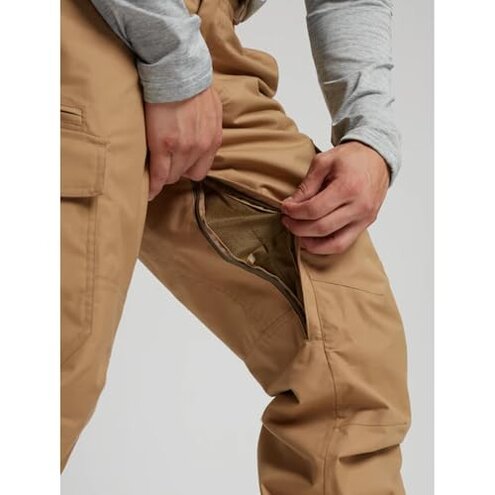
- Patients with sizing: if you can try on at home with layers and boots, you can tolerate the fit risk to get the look and storage.
- Feature users: if you actually use vents and multiple pockets, you may accept the fiddly feel for the added options.
- Resort-day riders: if your days are shorter and conditions are drier, you’re less exposed to the dampness complaints.
- Gear organizers: if you prefer keeping items separated, you may accept the bulk trade-off of cargo storage.
Expectation vs reality
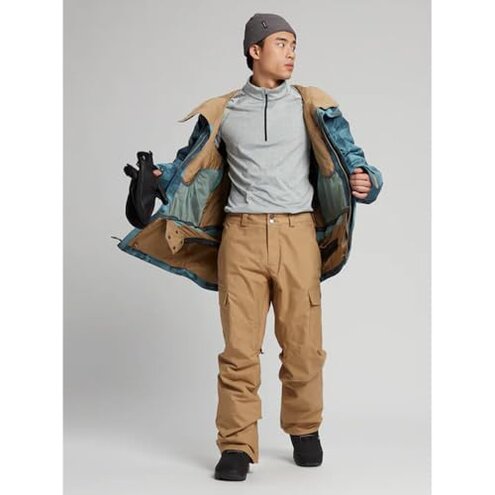
Expectation: “Regular fit” should feel predictable in your normal size. Reality: fit feedback shows a primary risk of mismatch once you move and layer.
- Reasonable for this category: mid-range snow pants need occasional care to keep water beading. Worse than expected: some buyers report earlier dampness during long wet sessions.
- Expectation: more pockets equals more convenience. Reality: cargo storage can add bulk and annoyance when filled.
Safer alternatives
- Prioritize fit tools: choose pants with clearer fit guidance and easier exchanges to reduce the primary sizing regret trigger.
- Choose simpler layouts: if you hate fiddling, pick a design with fewer pockets and simpler vents to avoid on-hill hassle.
- Shop for wet-day use: if you ride slush, look for models known for stronger seat-and-knee performance to reduce dampness risk.
- Test like a rider: whichever pant you choose, do a full mobility test with boots and layers to catch movement issues early.
The bottom line
Main regret trigger is fit predictability, especially once you add layers and start moving, and it’s among the most common complaint themes in the aggregated feedback. The dampness and usability gripes are secondary, but can feel more disruptive than normal when you ride long, wet days. If you want a low-drama buy, this is a higher-risk pick unless you can test sizing carefully and tolerate a possible exchange.
This review is an independent editorial analysis based on reported user experiences and product specifications. NegReview.com does not sell products.