
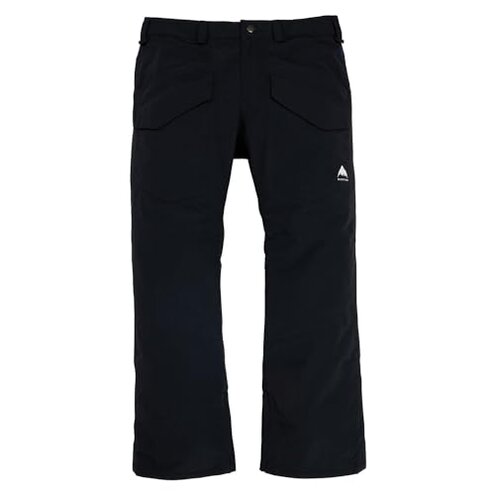
Product evaluated: Burton Men's Covert 2.0 2L Pants, True Black, XL
Related Videos For You
How To Properly Fit Your Snow Jacket & Pants
How to Clean Your Ski Coat and Pants with Nikwax
Data basis: This report is based on dozens of aggregated buyer feedback items collected across a multi-month window ending in recent months. The mix included written ratings and photo-backed notes, with some fit-and-use comments that read like first-week field tests. Most signals came from written reviews, supported by buyer images that helped validate sizing and pocket placement complaints.
| Buyer outcome | Burton Covert 2.0 Pants | Typical mid-range snow pants |
|---|---|---|
| Fit predictability | Higher risk of “not as expected” fit for the stated size. | Moderate risk, but usually closer to standard sizing. |
| All-day comfort | Mixed, with complaints surfacing during long sessions. | More consistent comfort across a wider range of body shapes. |
| Pocket usability | More fiddly closures and access than expected for the price. | Simpler pocket layouts with fewer “annoyance points.” |
| Weather confidence | Situational, with some users satisfied and others wanting more. | Baseline reliable for typical resort days with proper layering. |
| Regret trigger | Ordering twice due to sizing surprises and return hassle. | One-and-done sizing is more common at this tier. |
Why do these feel “off” the moment you try them on?
Fit shock is the regret moment that shows up early, often within the first try-on at home. This is a primary issue pattern in the feedback, and it is more disruptive than expected because snow pants are usually bought for trips with tight deadlines.
Not universal is the key nuance, but the mismatch appears repeatedly across different body types. Compared with a typical mid-range option, the sizing here feels less forgiving, so small deviations turn into returns.
- When it hits: The problem shows up on the first wear, before you even reach the mountain.
- Recurring pattern: Fit complaints appear repeatedly rather than as one-off nitpicks.
- What buyers notice: The waist-to-seat or thigh area can feel unexpectedly tight or oddly loose for the labeled size.
- Trip risk: Returns add extra steps when you need gear fast for a weekend or travel day.
- Category contrast: Most mid-range snow pants have a more predictable “standard” fit, even if the cut is different.
- Mitigation: Plan for a try-on buffer and test with your base layers before removing tags.
- Fixability: This is hard to fix once purchased, because tailoring snow pants can limit movement and venting.
Do the pockets and closures get annoying during a real day out?
Small friction becomes big irritation when you are gloved up and moving. This is a secondary issue pattern that shows up during daily use, especially when accessing pockets on lifts.
- Usage moment: The annoyance tends to show up mid-day when you repeatedly grab phone, pass, or snacks.
- Persistent theme: Closure and access complaints are less frequent than sizing, but more frustrating once noticed.
- Glove factor: Hook-and-loop style closures can feel fiddly with gloves compared with simple zips.
- Noise factor: Some buyers dislike the rip sound of hook-and-loop in quiet lift lines.
- Security worry: If you do not press closures carefully, there is a drop risk for small items.
- Hidden requirement: You may need to re-check closures each time, which adds attention most mid-range pants do not demand.
Will they stay comfortable after a few hours of riding?
Comfort drift is a pattern that tends to appear during longer sessions, not just the first try-on. It is a secondary issue with a clear context anchor: long sits on lifts and repeated bending.
- When it shows: Reports cluster around long sessions rather than quick runs.
- Not everyone: Comfort issues are not universal, but they are persistent for some body shapes.
- Pressure points: Buyers describe pinch or pull when crouching or strapping in.
- Vent reality: Vents help, but some still report heat build-up during active laps.
- Layer sensitivity: The fit can feel more sensitive to thicker base layers than typical mid-range pants.
- Category contrast: Many alternatives feel more tolerant of layering without changing movement feel.
- Mitigation: Do a full movement test at home with boots and your thickest planned layers.
- Fixability: You can sometimes reduce irritation by changing layers, but that is a workaround, not a cure.
Does the weather protection match what you assume at this price?
Confidence gap shows up when conditions shift from easy to messy. This is an edge-case issue for some buyers, but it becomes a bigger deal on wet days or when sitting on snow.
- When it appears: Complaints show up during wet snow days or long chairlift sits.
- Pattern strength: This is less frequent than fit issues, but the impact is more noticeable once you feel damp.
- What worsens it: Long contact with snow can make protection feel less reassuring than expected.
- Category contrast: Many mid-range pants feel more consistent in slushy resort conditions with similar stated protection.
- Mitigation: Treat these as needing smarter layering and avoid relying on them alone for very wet days.
Illustrative excerpt: “The size said XL, but the thighs felt weirdly tight.” Primary pattern tied to repeated fit surprise.
Illustrative excerpt: “Pockets are a pain with gloves, I keep redoing the closure.” Secondary pattern tied to repeated access friction.
Illustrative excerpt: “After a few hours, the waist area started bugging me.” Secondary pattern tied to long-session comfort drift.
Illustrative excerpt: “Fine on cold days, less confidence when it got slushy.” Edge-case pattern tied to wet-condition expectations.
Who should avoid this
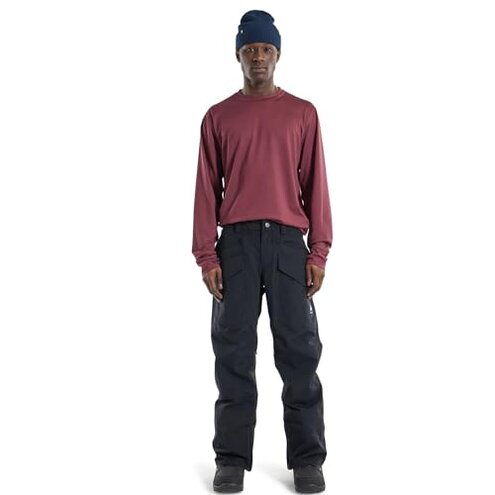
- Trip buyers who need a one-shot fit before travel, because sizing surprises appear repeatedly.
- Thick-layer riders who wear bulky base layers, since comfort can feel less forgiving over long sessions.
- Glove-on tinkerers who hate fiddly pockets, because closure use can add extra steps during the day.
- Wet-snow locals who ride in slush often, because some buyers report lower confidence in messy conditions.
Who this is actually good for
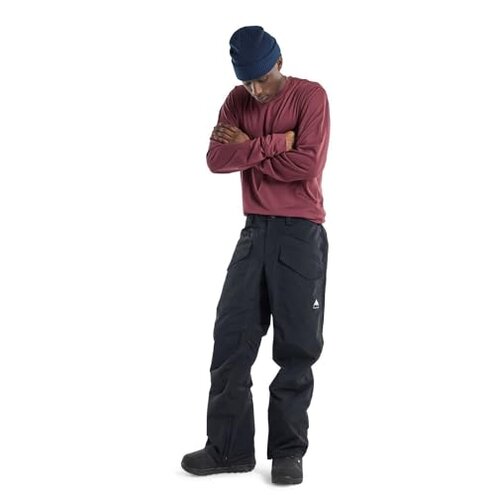
- Predictable-fit buyers who already know Burton pants sizing and can tolerate the fit risk being lower for them.
- Resort-day riders in mostly cold, dry conditions who can accept the weather variability reports as edge-case.
- Minimal-pocket users who rarely access pockets mid-run and can live with closure friction.
- Deal shoppers who prioritize brand and warranty comfort and can tolerate return logistics if sizing misses.
Expectation vs reality
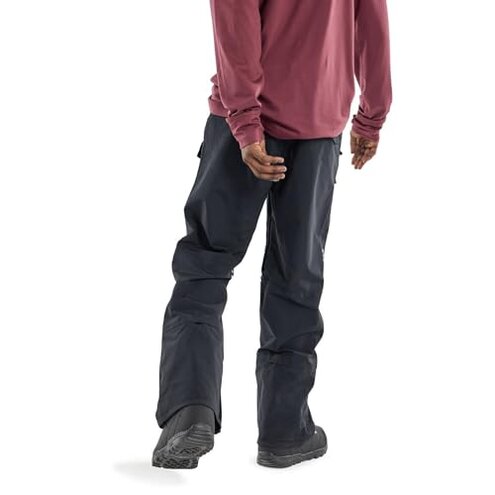
Expectation: A mid-range snow pant should fit close to the labeled size with minor tweaks.
Reality: Fit seems less predictable than typical, making exchanges more likely.
- Expectation: Pockets should be quick to use with gloves.
- Reality: Some buyers report more fiddling than expected with closures.
- Expectation: Comfort should hold through a full day.
- Reality: A subset report comfort drift after hours of movement and sitting.
Safer alternatives
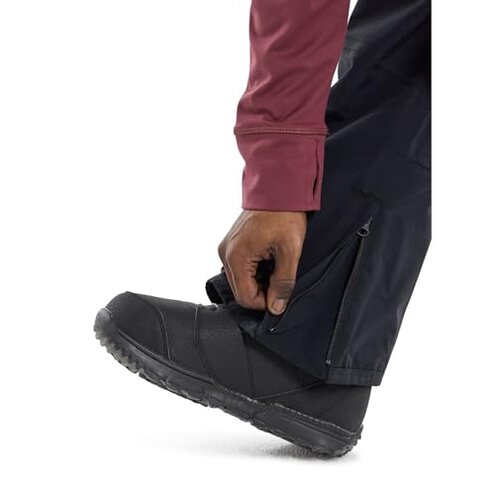
- Reduce fit risk: Choose snow pants with a clearly described cut and a strong history of consistent sizing feedback.
- Lower pocket friction: Prioritize pants with zippered pockets if you access items often on lifts.
- Handle wet days: If you ride slush, look for buyer notes emphasizing wet-chairlift comfort and dryness.
- Layer tolerance: If you run cold, pick options repeatedly praised for room with layers, not just “regular fit.”
The bottom line
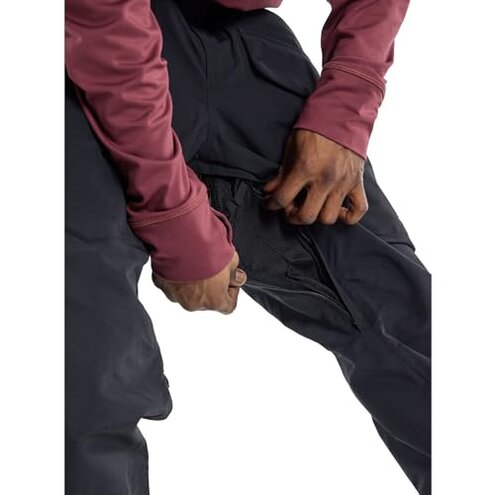
Main regret trigger is sizing that feels less predictable than buyers expect, leading to exchanges right when you need gear. That risk is higher than normal for mid-range snow pants because it creates real trip-timing stress. If you cannot tolerate a potential return cycle, avoid and pick a model with more consistent fit signals.
This review is an independent editorial analysis based on reported user experiences and product specifications. NegReview.com does not sell products.