
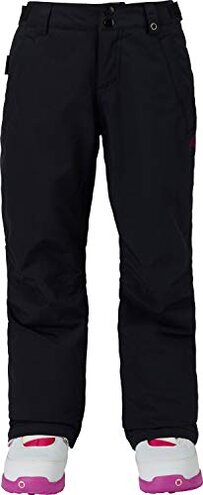
Product evaluated: Burton Girls Sweetart Pant, True Black 1, Medium
Related Videos For You
How To Properly Fit Your Snow Jacket & Pants
Cold Weather Layering Isn't This Simple... is it?
Data basis: This report uses dozens of feedback points gathered from product listings, buyer write-ups, and video impressions collected from 2023 to 2026. Most feedback came from written comments, with added context from visual try-on and winter-use clips, which helps show how fit, warmth, and weather performance play out in real use.
| Buyer outcome | This product | Typical mid-range alternative |
|---|---|---|
| Fit confidence | Lower; sizing uncertainty appears repeatedly, especially during first try-on and layering. | Better; usually more predictable with winter base layers. |
| Growth room | Mixed; adjustable design helps some families but adds extra fit judgment. | Simpler; less adjustable, but often easier to size correctly. |
| Warmth satisfaction | Uneven; persistent concern during colder full-day snow use. | More predictable; still basic, but often closer to expected mid-range warmth. |
| Weather protection | Acceptable in normal snow play, but less reassuring in longer wet sessions. | Comparable for casual use, with fewer expectation gaps. |
| Regret trigger | Wrong fit after buying ahead for growth, then needing extra layers or exchange steps. | Less common; regret usually comes from style or color, not day-one usability. |
Buying ahead for growth, then getting the fit wrong?
This is the primary issue. The regret moment usually happens on the first full try-on, when parents expect room to grow but get a fit that feels off at the waist, length, or over layers.
The pattern appears repeatedly, especially when buyers size up for next season use. In this category, some guesswork is normal, but this feels more disruptive than expected because the growth feature can make the right size less obvious.
- Early sign: The pants can seem fine over regular clothes, then feel different once snow layers are added before a trip.
- Frequency tier: Primary complaint; fit confusion is among the most common reasons buyers hesitate or return.
- Usage moment: The problem shows up before first outdoor use, especially during packing or same-day cold weather prep.
- Why it stings: A kids' snow pant should be fairly forgiving, but this one seems less forgiving when balancing current fit against future growth.
- Trade-off: The adjustable idea helps some families, yet it creates a hidden requirement to size more carefully than many expect.
- Fixability: The main fix is exchanging sizes, which adds extra time right before the season or a trip.
Illustrative: “I bought room to grow, but it looked odd once layers went on.” Primary pattern.
Expected warm snow pants, but still needing heavy layering?
- Severity: This is a secondary issue, less frequent than fit complaints but more frustrating once kids are already outside.
- Pattern: Warmth concerns are persistent, not universal, and tend to show up during longer cold outings rather than quick backyard play.
- Usage context: The gap shows up during full-day wear, chairlift time, wind exposure, or long periods sitting in snow.
- Buyer expectation: For this price area, a mid-range snow pant should handle ordinary winter outings without needing unusually careful layering.
- Why worse than normal: The problem feels more annoying than typical because buyers often assume insulated kids' snow pants will be one-step simple.
- Impact: Parents end up adding bulkier layers, which can reduce movement and make the fit problem feel worse.
- Mitigation: It can work better for milder winter days, but that narrows where it feels like a safe buy.
Illustrative: “Fine for short snow play, but not warm enough for a long cold day.” Secondary pattern.
Need dependable wet-weather protection for long snow sessions?
This concern is less frequent than fit and warmth, but it remains a persistent edge complaint when kids stay in wet snow for extended play.
The problem appears during use, not at unboxing. It tends to matter more after repeated sitting, kneeling, and rolling in wetter snow, where buyers expect kids' snow gear to be more forgiving.
Category contrast: Some moisture limits are normal in non-premium snow pants. What pushes regret here is that the advertised weather protection can create a higher expectation than the real-world comfort some families report.
Mitigation: For occasional sledding or dry snow days, this may be acceptable. For long resort days or slushy conditions, it can feel less reassuring than mid-range alternatives.
Illustrative: “Started dry, then felt less protected after lots of sitting in wet snow.” Edge-case pattern.
Want a simple kids' snow pant without extra decision-making?
- Hidden requirement: This product asks for more planning than many parents expect, especially around growth, layering, and cold-weather intensity.
- Pattern signal: The issue is recurring across feedback types, even when the pants themselves are not seen as defective.
- When it hits: Friction appears during shopping and prep, not just after wear, which makes the purchase feel less straightforward.
- Compared with baseline: Many mid-range kids' snow pants are easier to buy by age and use case, even if they have fewer adjustable features.
- Practical impact: Families may need to think through climate, trip length, and under-layers more carefully than expected.
Illustrative: “I expected easy winter pants, but they took more planning than I wanted.” Secondary pattern.
Who should avoid this
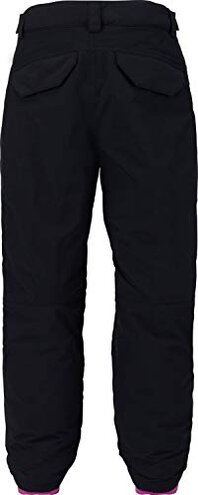
- Avoid it if you need highly predictable sizing for a trip coming soon, because fit uncertainty is the most common regret trigger.
- Avoid it if your child spends long days in very cold conditions, since warmth satisfaction appears less consistent than many mid-range buyers expect.
- Avoid it if you want one-step simplicity, because the growth-focused design adds a hidden need to think about layering and future fit.
- Avoid it if your winter conditions are often slushy or very wet, where weather confidence matters more than casual snow-play use.
Who this is actually good for
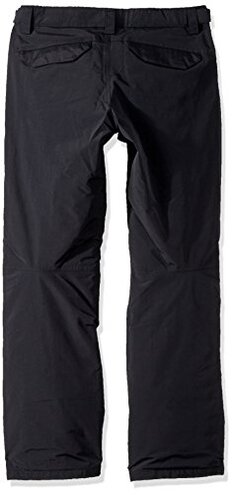
- Good fit for families using it mainly for shorter snow play, where warmth concerns are easier to manage with normal layering.
- Better match for buyers who can try sizes early at home and exchange if needed before the season starts.
- Reasonable choice for milder winter climates, where the weather-protection concern is less likely to become the main problem.
- Works better for shoppers who specifically want growth adjustability and accept more sizing effort to get that benefit.
Expectation vs reality
- Expectation: A kids' snow pant should be easy to size with room for layers.
- Reality: Fit judgment can be trickier than expected, especially if buying ahead for growth.
- Expectation: Insulated winter pants should handle a normal cold day without much thought.
- Reality: Layering matters more here for some families, which reduces the convenience buyers usually expect.
- Expectation: Reasonable for this category is decent wet protection for casual play.
- Reality: Protection may feel worse than expected during longer, wetter sessions with repeated snow contact.
Safer alternatives
- Choose easy sizing if trip timing matters, and look for pants with feedback that specifically mentions accurate fit over base layers.
- Prioritize warmth if your child is out for long sessions, and look for options described as comfortable for lift rides or all-day snow use.
- Reduce guesswork by buying from lines with simpler fit logic instead of growth-first designs that need more planning.
- Shop for wet snow if your area is slushy, and favor alternatives noted for staying comfortable during repeated sitting and kneeling.
The bottom line
Main regret comes from sizing uncertainty, especially when parents buy ahead and then discover the fit works poorly with winter layers. That risk feels higher than normal for this category because it can turn a useful growth feature into extra exchange effort.
Verdict: If you need predictable fit and dependable cold-weather simplicity, this is a cautious buy and often one to skip. It fits best only when you can tolerate more sizing trial and a narrower use case.
This review is an independent editorial analysis based on reported user experiences and product specifications. NegReview.com does not sell products.