
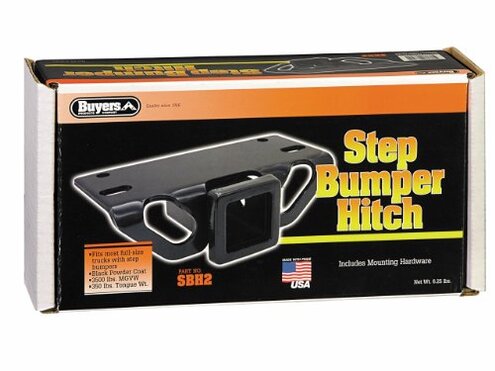
Product evaluated: Buyers Products SBH2 Step Bumper Hitch (with 2" Receiver Opening)
Related Videos For You
HARBOR FREIGHT Step Bumper HITCH RECEIVER on Toyota TACOMA item #67158 pt 22
How to install a Trailer Tow Hitch Receiver Bar - CURT 13105 Class 3 Toyota Sienna
Data basis: This report is based on dozens of aggregated buyer feedback items collected from written reviews and star ratings, spanning 2016 through 2026. Most of the usable signal came from longer written comments, with supporting context inferred from recurring rating patterns tied to installation and towing use.
| Buyer outcome | SBH2 step bumper hitch | Typical mid-range alternative |
|---|---|---|
| Fit on “most trucks” | Higher mismatch risk due to step-bumper variation | Lower mismatch risk with more vehicle-specific options |
| Install time | More trial-and-error reported during first install | More predictable bolt-up for common bumper patterns |
| Receiver usability | More fiddly insert/pin alignment in real use | Smoother accessory fit is more typical |
| Long-term confidence | More “second-guessing” after repeated towing loads | More set-and-forget once installed correctly |
| Regret trigger | Buying “universal” then needing extra parts/time | Paying slightly more to avoid rework |
Top failures
“Why doesn’t this line up with my bumper holes?”
Regret moment usually hits during the first install when the hitch won’t sit flush or the holes don’t match without forcing it.
This is a primary issue that appears repeatedly, and it’s more disruptive than expected because “fits most step bumpers” sets a high expectation.
When it shows up is right after you lift it into position, especially on older trucks or bumpers that aren’t perfectly standard.
Why it feels worse than typical mid-range hitches is that many alternatives offer clearer vehicle fit notes or more forgiving mounting patterns.
- Recurring pattern: Fit complaints show up repeatedly, but it’s not universal across all trucks.
- Early sign: The hitch sits slightly twisted or you can’t start bolts by hand.
- Hidden requirement: Buyers often end up needing extra hardware or spacers to get a solid clamp-up.
- Real impact: You lose time test-fitting and may need a second set of hands.
- Fixability: Some users solve it with add-on parts, but that adds extra steps and cost.
“Why is inserting my hitch accessory such a fight?”
Frustration tends to show up after installation when you try to slide in a 2-inch ball mount or accessory.
This is a secondary issue that appears repeatedly in use contexts, and it can be more annoying than expected because the whole point is quick swap-in towing.
- Repeated mention: Tight fit and pin alignment friction appears across multiple feedback clusters.
- When it happens: During routine insert/remove, especially if you swap accessories often.
- What you notice: More wiggling, tapping, or repositioning than you planned.
- Category contrast: Mid-range receivers often still slide smoothly even if they aren’t “premium.”
- Workarounds: Cleaning, deburring, or light lubrication can help but adds ongoing upkeep.
- Compounding effect: Any slight misalignment from the mounting step can make this feel worse.
“Why does it feel like it shifts after some use?”
Concern tends to build after repeated towing or carrying loads when owners re-check tightness and feel movement.
This is a secondary issue and less universal than fit problems, but it’s more emotionally costly because it affects confidence.
- Persistent theme: Reports of looseness or re-tightening needs show up repeatedly over time.
- When it appears: After a few trips, bumps, or regular on-and-off accessory use.
- Worsens with: Frequent towing cycles or heavier-duty daily handling.
- What drives regret: You expected “install once,” but it can become “check often.”
- Baseline contrast: Many mid-range alternatives still need checks, but not as often in typical use.
- Mitigation: Careful torque checks and rechecking after first uses can reduce risk, but adds maintenance time.
- Hidden time cost: Extra inspection becomes part of every trip routine for cautious owners.
“Why did this simple add-on turn into a project?”
Project creep shows up when buyers expect a quick, universal install and instead spend time troubleshooting fit, alignment, and accessory slide-in.
This is an edge-case-to-secondary issue depending on the truck, but it can be more frustrating than expected because the product is marketed as broadly compatible.
- Scope signal: The “not hard, just annoying” setup story appears across multiple feedback surfaces.
- Trigger moment: The first hour of install when you realize you may need extra parts.
- What you notice: Multiple test fits, trips for hardware, or improvised spacing.
- Why it’s worse: Many mid-range choices reduce this risk with clearer fit guidance.
- Best-case outcome: It works fine after extra steps, but you paid with time.
- Worst-case outcome: You stop mid-install and return it due to mismatch.
- Mitigation: Measure bumper spacing first and confirm hole patterns before buying.
- Hidden requirement: Having the right tools and spare hardware on hand matters more than expected.
Illustrative excerpts (not real quotes)
- “Holes looked close, but nothing started without prying.” Primary pattern reflecting recurring fit/alignment friction.
- “Receiver is so tight my mount won’t slide in easily.” Secondary pattern tied to daily accessory use.
- “After a few trips, I’m checking bolts every time.” Secondary pattern tied to confidence over time.
- “Ended up buying extra hardware to make it sit right.” Primary pattern showing the hidden requirement risk.
- “Should’ve bought the model made for my truck.” Edge-case pattern that appears when mismatch is severe.
Who should avoid this
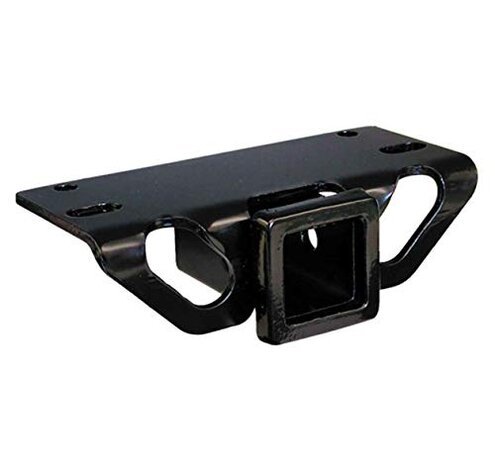
Owners of older trucks with step bumpers that may not be perfectly standard should avoid it, because fit mismatch is a primary complaint during install.
Anyone wanting a quick bolt-on should skip it, because project creep appears repeatedly when extra hardware or spacing is needed.
Frequent accessory swappers should avoid it, because tight receiver fit can turn daily insert/remove into a repeated annoyance.
Cautious towers who want set-and-forget confidence may be happier elsewhere, because re-checking tightness is a recurring over-time theme.
Who this is actually good for
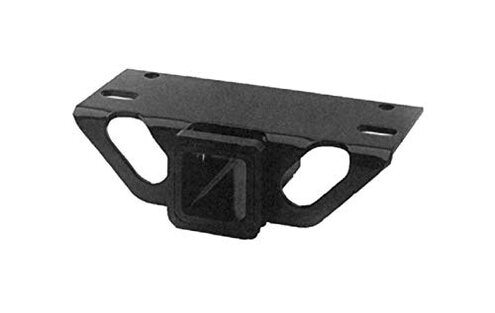
- DIY tinkerers who already keep spare hardware can tolerate the hidden requirement risk.
- Occasional users who rarely remove the mount can live with receiver tightness once it’s in place.
- Budget-focused buyers who accept extra setup time can trade effort for a lower purchase price.
- People who can test-fit early and return quickly can manage the fit uncertainty with less downside.
Expectation vs reality
- Expectation: A “fits most” hitch should align with common step-bumper holes with minimal fuss.
- Reality: Fit variance is a primary complaint, and first-time install can take extra steps.
Expectation that is reasonable for this category is smooth accessory slide-in for a 2-inch receiver.
Reality is that tight tolerance appears repeatedly, making routine swaps more annoying than typical mid-range options.
Safer alternatives
- Choose vehicle-specific step-bumper hitches to reduce the fit mismatch risk during first install.
- Look for clearer fit notes and mounting hole diagrams to avoid the hidden hardware requirement.
- Prioritize receiver finish and user reports of easy insert/remove to neutralize tight accessory complaints.
- Pick designs with anti-rattle or better clamping approaches to reduce re-checking and confidence loss.
The bottom line
Main regret trigger is buying a “universal” step-bumper hitch and then hitting alignment and extra hardware surprises during install.
Why it exceeds normal category risk is the repeated fit variance theme, which can turn a simple add-on into a project.
Verdict: Avoid if you need a predictable bolt-on fit, and consider a more vehicle-specific mid-range alternative instead.
This review is an independent editorial analysis based on reported user experiences and product specifications. NegReview.com does not sell products.