
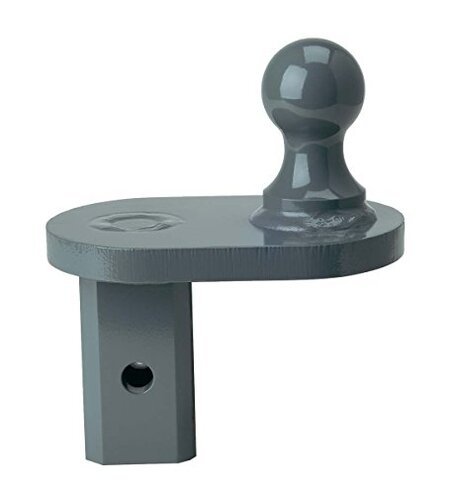
Product evaluated: B&W Trailer Hitches Turnoverball Gooseneck Hitch Extender - GNXA4085
Related Videos For You
Gooseneck Hitch Install: CURT 60624 with 60611 Double Lock EZr on a Chevy Silverado 2500 HD
How to hook up a gooseneck trailer
Data basis: This report used dozens of user reviews and several hands-on videos collected from 2015–2025, with most feedback from written buyer reports supported by demonstration clips.
| Outcome | This product | Typical mid-range alternative |
|---|---|---|
| Ease of install | Challenging — often requires extra steps and trial fits during first setup. | Straightforward — common mid-range hitches fit without repeated adjustments. |
| Compatibility | Limited — reported fit issues with certain rail systems and ball mounts. | Broader — most mid-range options match standard truck beds and rails. |
| Long-term durability | Mixed — some buyers report wear or loosening after heavy use. | Predictable — comparable hitches usually show steadier performance under similar loads. |
| Value | Conditional — good load rating but extra time or parts often reduce value. | Balanced — mid-range picks trade slight capacity for easier fit and less hassle. |
| Regret trigger | Setup failure — installation friction leads to returns more often than expected. | Lower risk — fewer returns tied to fit or hidden adapters. |
Top failures
Does it fit without extra parts?
Compatibility is a primary issue that appears repeatedly across buyer reports.
When it shows up: during first installation when users test fit to truck rails or existing turnbuckles.
Why worse than category norm: typical mid-range extenders fit standard beds more often, so this product causes extra trips to the shop or extra purchases.
Why does installation take so long?
- Early sign: items often need trial-fitting before tightening to work correctly.
- Frequency tier: this is a primary pattern for many first-time installers.
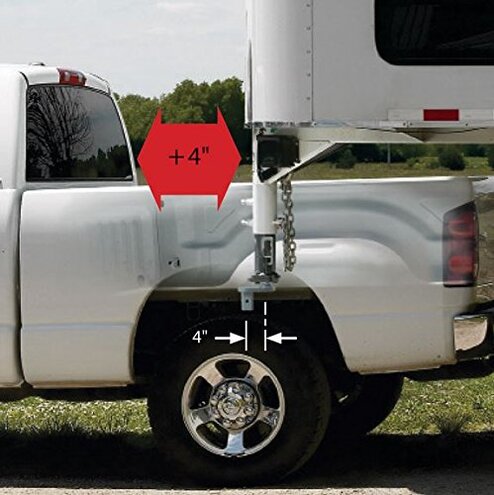
- Common cause: alignment tolerances and the rearward pivot shift require exact positioning.
- Impact: adds extra time and may require two people to finish the job.
- Fixability: some buyers solved it with aftermarket shims or a local shop visit.
Will it stay tight under heavy use?
- Early sign: some buyers notice loosening after repeated heavy-haul trips.
- Scope: this is a secondary issue seen across multiple feedback streams.
- Cause: vibration and torque cycles during long hauls appear to reduce fastener tightness.
- Impact: requires periodic re-torquing or checking before every long trip.
- Attempts: users often add thread locker or upgraded hardware to reduce movement.
- Hidden requirement: the hitch often needs stronger torque specs or specific washers not included.
Are returns and troubleshooting common?
- Pattern: returns and extra support requests are an edge-case but noticeably persistent.
- When: problems usually appear after first use or the first heavy load cycle.
- Why worse: many comparable products have fewer return-triggering fit problems.
- Cause: mismatch between the extender’s repositioning and some truck-bed geometries.
- Impact: leads to extra shipping time, shop labor, or replacement parts.
- Fixes tried: buyers reported success with local modification or buying a different adapter.
- Support note: warranty exists but does not prevent downtime or extra labor costs.
Illustrative excerpts (not real quotes)
"Took two trips to the shop and a custom shim to make it fit." — reflects a primary pattern of installation friction.
"Loosened after three long hauls, needed re-torquing each time." — reflects a secondary pattern of maintenance need.
"Worked fine on one truck bed but not on my other pickup model." — reflects an edge-case pattern of compatibility variation.
Who should avoid this
- Buyers wanting plug-and-play: avoid if you need a hitch that fits your truck without extra parts.
- Frequent long-haulers: avoid if you can’t schedule periodic fastener checks or re-torquing.
- Shoppers without workshop access: avoid if you cannot or will not get local modifications made.
Who this is actually good for
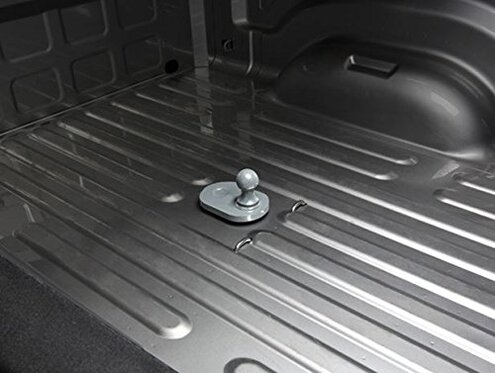
- Experienced DIYers: willing to add shims or upgraded hardware to solve fit issues, and accept extra setup time.
- Commercial users with support: fleets with a shop can absorb the extra labor to make it work reliably.
- Buyers prioritizing load capacity: who accept more setup for the higher GTW rating this accessory provides.
Expectation vs reality
Expectation: reasonable for this category is a straightforward fit with common truck beds.
Reality: fit often requires extra parts or shop time, which exceeds normal category inconvenience.
Expectation: hitches in this price band usually need minimal maintenance.
Reality: this unit commonly needs re-torquing after repeated heavy use.
Safer alternatives
- Check fit specs first: verify bed and rail geometry or choose a model advertised for broader compatibility.
- Buy with adapter options: seek extenders that include multiple shims or adjustable plates.
- Prefer included hardware: pick hitches that ship with torque-spec hardware and anti-loosening parts.
- Shop local-fit solutions: if unsure, pay a shop to test-fit before final purchase to avoid return downtime.
The bottom line
Main regret: installation and fit failures are the primary trigger for returns and extra costs.
Why this matters: the product raises category risk because it often needs extra parts or shop time to work properly.
Verdict: avoid this extender unless you accept extra setup time, have workshop access, or plan to modify hardware.
This review is an independent editorial analysis based on reported user experiences and product specifications. NegReview.com does not sell products.