
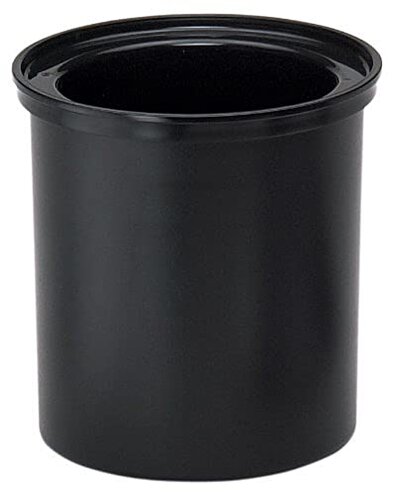
Product evaluated: Cambro CFR18110 ColdFest® Crock, 1.7 qt. black Case of 1
Related Videos For You
STANLEY ADVENTURE ALL IN ONE FOOD JAR AND CAMP CROCK
Food Safety Tips and Your Crockpot
Data basis: This report draws on dozens of written reviews and several video demonstrations collected between 2015 and 2025. Most feedback came from written reviews, supported by video demonstrations and a small number of buyer comparison posts.
| Outcome | Cambro ColdFest® | Typical mid-range alternative |
|---|---|---|
| Temperature retention | Underperforms: often needs pre-chill or extra ice to stay near 41°F over long service. | Meets expect: mid-range models usually hold safe temps for routine 4–6 hour shifts. |
| Seal & spill risk | Higher risk: lid fit reported as loose during transport and handling. | Lower risk: many alternatives use tighter lids or locking clips. |
| Durability | Mixed: complaints of cracking or warping after repeated use and washing. | Stronger: comparable mid-range products show longer-term toughness with regular cleaning. |
| Ease of cleaning | Average: simple shape but evidence of staining and odor retention with heavy use. | Better: some competitors use smoother finishes that resist stains. |
| Regret trigger | Performance gap: buyers relying on advertised no-ice operation report disappointment. | Lower risk: mid-range units often clearly state need for pre-chill or ice. |
Top failures
Will it keep food safely cold for an event?
Regret moment: Buyers notice warmth creeping into contents during long service, causing safety worries.
Pattern: This is a primary issue and appears repeatedly across written and video feedback.
When it shows: The problem appears during multi-hour service or transport without active ice, and it worsens in warm environments.
Why worse than normal: Many mid-range food crocks keep safe temps for typical 4–6 hour shifts; this unit often requires pre-chill or extra ice, adding time and logistics.
Does the lid leak or come off in transit?
- Early sign: buyers report the lid feels loose the first few uses, especially during carrying.
- Frequency tier: this is a secondary issue that appears across multiple feedback types.
- Cause clue: lid tolerances and lack of locking mechanism show up when containers are stacked or jostled.
- Impact: spills and faster warming during transport are commonly reported consequences.
- Attempted fixes: users add tape or straps, which reduces convenience and looks makeshift.
Will it last under daily kitchen use?
- Primary wear: some buyers report cracking or warping after repeated washing and stacking.
- Usage anchor: issues surface after weeks to months of regular use and commercial cleaning cycles.
- Frequency tier: this is a secondary issue that is persistent but not universal.
- Visible impact: deforming affects lid fit and thermal performance.
- Fixability: replacement is the usual remedy, which adds cost over time.
- Category contrast: more upkeep than most mid-range alternatives that tolerate routine kitchen handling better.
- Hidden cost: buyers often underestimate long-term replacement expense.
Are there extra hidden steps to actually use it well?
- Hidden requirement: despite marketing, many users need to pre-chill the crock or add ice packs for reliable performance.
- When it matters: this shows up on first use for cold-service events and during warm-weather transport.
- Frequency tier: this is a primary issue because it affects the advertised core function.
- Early sign: temperature readings rise within a few hours if not pre-chilled.
- Impact: adds setup time and equipment to stay safe, which undermines the claimed no-ice convenience.
- Attempts: users commonly add frozen gel packs or pre-chill the insert; these work but negate advertised benefits.
- Why worse: most mid-range models are explicit about needing ice or built-in gel packs; this model’s messaging creates false expectations.
- Workaround cost: buying extra packs or cool transport adds recurring expense.
Illustrative excerpts (not actual quotes)
“Came warm after three hours at a buffet, required extra ice.” — reflects a primary pattern about temperature retention.
“Lid rattles and spilled during setup—had to tape it down.” — reflects a secondary pattern about seal and transport.
“Warped after a month of daily washing in busy kitchen.” — reflects a secondary pattern about durability.
Who should avoid this
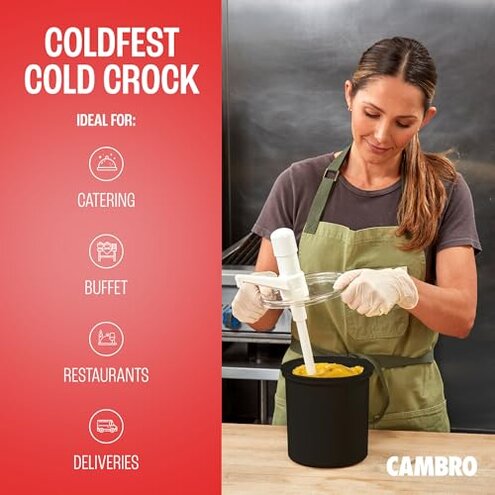
- Event caterers: avoid if you need reliable all-day chilled holding without extra ice or equipment.
- Busy kitchens: avoid if you expect heavy daily cleaning and stacking; durability complaints exceed category expectations.
- Transport users: avoid if you must move full crocks often; lid fit and spill risk are notable.
Who this is actually good for
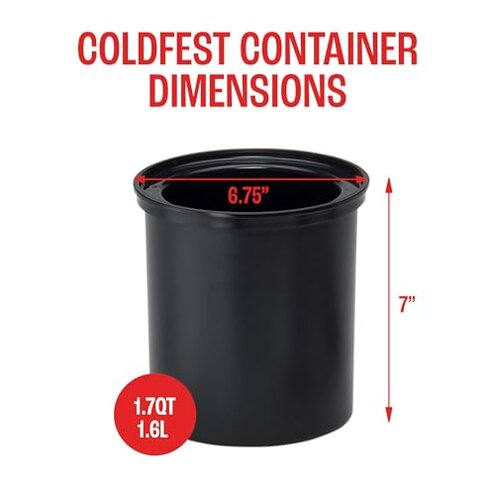
- Short service users: acceptable for quick, short events where pre-chilling is possible and holding time is under two hours.
- Light home use: fine for occasional salad or condiment service at small gatherings where convenience matters more than ruggedness.
- Users tolerant of tweaks: good if you can pre-chill and add gel packs and don’t mind ad-hoc lid straps.
Expectation vs reality
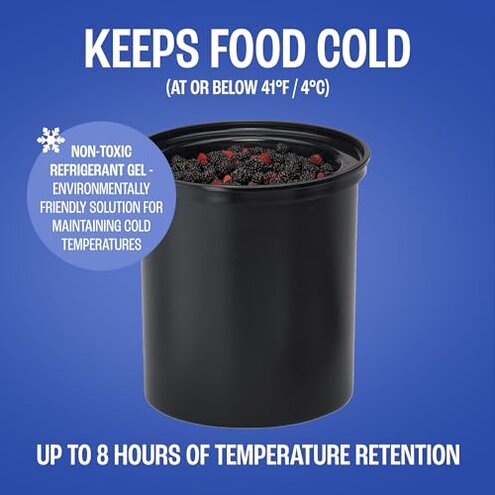
- Expectation: reasonable for this category to maintain safe temps for 4–6 hours with simple setup.
- Reality: often needs pre-chill or extra ice, which increases setup time and cost.
- Expectation: buyers assume lids stay snug during transport.
- Reality: lid fit issues lead to spills unless you secure the container.
Safer alternatives
- Look for explicit retention data: choose crocks that state tested hold times or include gel packs to avoid unexpected warming.
- Choose locking lids: prefer models with visible clamps or locks to reduce spill risk during transport.
- Check cleaning tolerance: select products marketed for heavy-duty or commercial wash cycles if you need durability.
- Plan for pre-chill: if you buy this model, budget for gel packs and extra prep time to meet safe-holding needs.
The bottom line
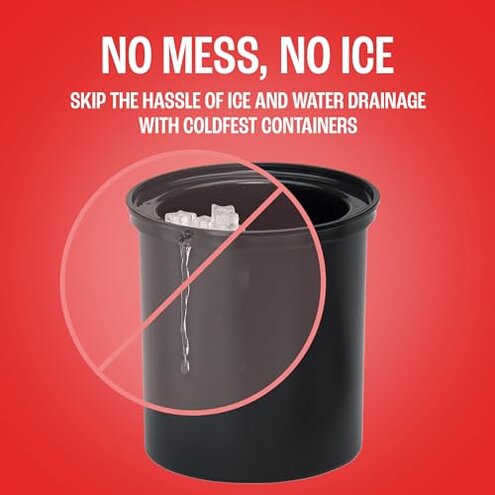
Main regret: the core performance claim—keeping contents chilled without ice—often does not hold under multi-hour use.
Why it matters: this failure forces extra prep, equipment, or replacements, which exceeds normal category risk for mid-range options.
Verdict: avoid if you need dependable, no-fuss chilled holding; consider alternatives with tested retention or locking lids.
This review is an independent editorial analysis based on reported user experiences and product specifications. NegReview.com does not sell products.