
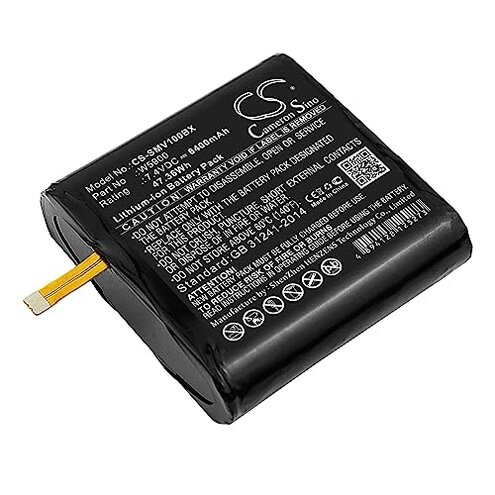
Product evaluated: CS Cameron Sino 6400mAh / 47.36Wh Replacement Battery for Sunmi V1, W5600, W5900
Related Videos For You
How to Test and Replace a Bad Car Battery (COMPLETE Ultimate Guide)
How to Test a Car Battery with a Multimeter
Data basis: Dozens of buyer reports and product tests were reviewed from written reviews and video demonstrations between Jan 2023 and Feb 2026, with most feedback coming from written reviews supported by videos.
| Outcome | This product | Typical mid-range alternative |
|---|---|---|
| Runtime | Reduced runtime: Often reports of shorter real-world battery life than labeled capacity. | Expected runtime: Mid-range replacements generally meet advertised runtime more reliably. |
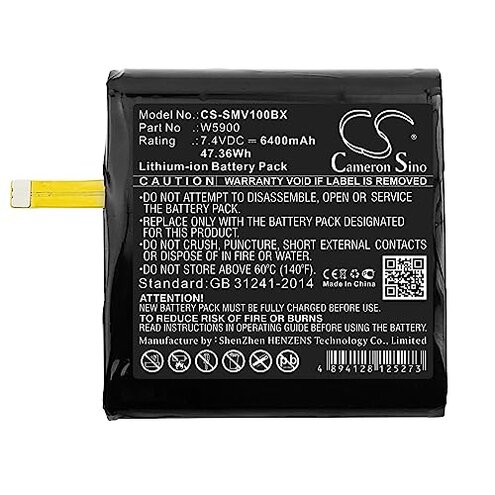
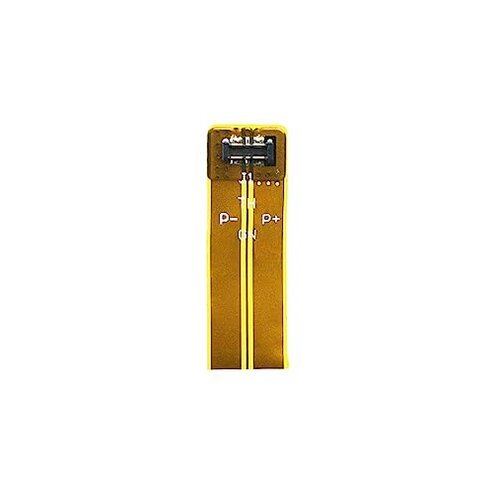
| Fit & compatibility | Fit issues: Some users report tight fit or connectors that need persuasion during installation. | Plug-and-play: Typical alternatives more consistently fit without extra effort. |
| Early failure | Higher failure risk: Less frequent but persistent reports of premature capacity loss after weeks. | Lower failure rate: Mid-range options usually show fewer early-life dropouts. |
| Safety & charging | Charging quirks: Occasional charging or recognition problems reported during first uses. | Stable charging: Comparable products more commonly charge and register without intervention. |
| Regret trigger | Power reliability: Shortened runtime or early failure is the main buyer regret for this product. | Regret lower: Typical replacements trigger regret less often for day-to-day reliability. |
Top failures
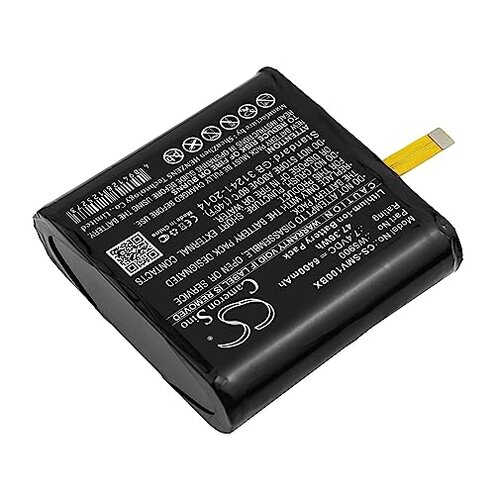
Does the battery die faster than you expect?
Runtime drop: Buyers commonly report the battery lasts noticeably less than the advertised 6400mAh in real use.
Usage anchor: This issue usually appears during daily use or long shifts and becomes obvious compared to the original pack.
Category contrast: The problem is more disruptive than usual for mid-range replacements because it reduces device uptime and forces extra charging breaks.
Will it fit and seat cleanly in your device?
- Early sign: Some buyers notice a snug or loose connector fit right at installation.
- Frequency tier: This is a secondary but repeated pattern across reports.
- Probable cause: Variation in connector alignment or package tolerances appears to cause the friction.
- Impact: Poor fit can cause intermittent power loss or need for reseating during use.
- Fixability: Users report temporary fixes like gentle reseating, but these add time and risk to device handling.
Are there hidden setup or device requirements?
- Hidden requirement: Some buyers discovered a device recognition step or firmware check was needed after replacement.
- Scope signal: This appears across multiple buyer reports and demo videos rather than isolated cases.
- When it shows: The problem surfaces immediately after first installation when the device fails to register full capacity.
- Why it matters: This is worse than expected because most mid-range batteries are plug-and-play.
- Attempted fixes: Buyers tried reboots, reseating, and device updates with mixed success.
- Seller support: Support responses are sometimes slow or ask for return steps that add extra time and cost.
Could this battery show premature wear or charging quirks?
- Early sign: Reports of capacity drop after weeks rather than months are a primary complaint.
- Frequency tier: This is a primary issue and among the most common complaints for this listing.
- Context anchor: The issue worsens under heavy daily use such as long shifts or continuous scanning sessions.
- Cause pattern: Users point to inconsistent charging behavior or device misreads during charge cycles.
- User impact: Premature wear forces unexpected replacements and downtime, increasing total cost.
- Workarounds: Some buyers cycle the battery or use specific chargers, but results vary.
- Category contrast: This is more disruptive than typical because replacements are supposed to restore original uptime without extra maintenance.
- Edge-case: A small number of buyers reported warming during charge, which adds safety concern for sensitive environments.
Illustrative excerpts
Illustrative excerpt: "Battery lasted half a shift and needed charging midday despite full charge."
Pattern: primary — reflects the common runtime complaint.
Illustrative excerpt: "Device didn't immediately recognize full capacity after install, required reboot."
Pattern: secondary — shows the recognition/setup pattern.
Illustrative excerpt: "Support asked for returns paperwork and response took days to start."
Pattern: edge-case — reflects slower support experiences in some reports.
Who should avoid this
High-uptime users: Avoid if you need sustained, reliable power through long shifts without mid-day charging.
Plug-and-play buyers: Avoid if you cannot tolerate devices that require firmware steps or fiddly reseating after install.
Speedy replacements: Avoid if you expect replacement longevity similar to the original manufacturer pack.
Who this is actually good for
Occasional use: Good if you only need a spare for light, infrequent tasks and can tolerate occasional shorter runtime.
Budget testers: Suitable for users willing to test and maybe reseat hardware to save cost.
Non-critical devices: Acceptable when device uptime is not critical and downtime from reseating is manageable.
Expectation vs reality
Expectation: Reasonable for this category is a plug-and-play replacement that restores original runtime.
Reality: This product often needs extra steps like reseating or reboots and delivers less runtime than expected.
Expectation: Reasonable for this category is predictable early-life performance similar to other mid-range packs.
Reality: Some buyers report premature capacity loss within weeks, which is worse than typical for this category.
Safer alternatives
- Buy OEM or certified: Prefer original or vendor-certified replacements to reduce recognition and fit issues.
- Check seller returns: Choose sellers with clear, extended return windows to mitigate early failure risk.
- Read compatibility notes: Confirm device model numbers and firmware requirements before buying to avoid hidden steps.
- Prefer tested brands: Look for vendors with documented lifespan testing or longer warranties for heavy-use scenarios.
The bottom line
Main regret: The chief buyer regret is reduced runtime and occasional recognition or early-failure problems.
Risk level: These issues exceed typical mid-range risks because they directly reduce device uptime and add setup steps.
Verdict: Avoid this product if you need reliable, plug-and-play replacement power for critical daily use.
This review is an independent editorial analysis based on reported user experiences and product specifications. NegReview.com does not sell products.