
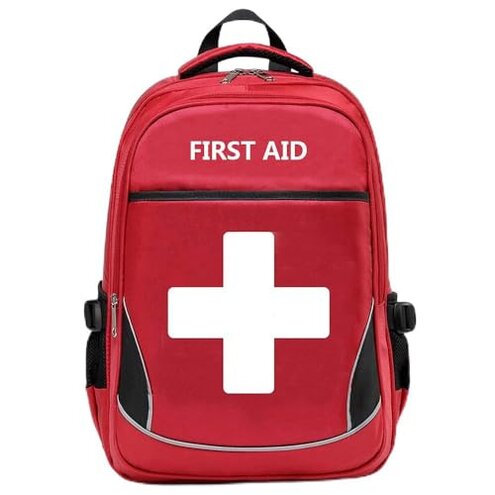
Product evaluated: Camoredy First Aid Bag Empty Red Emergency Medical Bag First Responder Trauma Multi-Pocket Traveling Field Trips Camping Essentials (Red, 1 Piece)
Related Videos For You
How to build an IFAK and save money!
Data basis: This analysis is based on dozens of customer reviews and user feedback collected over recent months. The data comes from a mix of written reviews and video feedback, with the majority being detailed written experiences. This combination gives a broad view of how the product performs in real-world use.
| Buyer Outcome | Camoredy First Aid Bag | Typical Mid-Range Alternative |
|---|---|---|
| Durability Issues | Frequently reported wear and fabric stress after moderate use | Generally holds up well over time with normal use |
| Storage Organization | Multi-pocket design often feels cluttered and confusing | More intuitive compartment layout with easier access |
| Size Practicality | Bag size feels bulky and unwieldy for field use | Compact and manageable size for quick transport |
| Regret Trigger | Frustration with cumbersome layout and durability concerns | Rarely triggers buyer regret due to thoughtful design |
| Weight for Size | Heavier than category average, adding load during use | Lighter materials allow easier carrying over time |
Is the bag durable enough for frequent emergency use?
Buyers often find the durability less than expected after repeated handling. The fabric and stitching show signs of stress within weeks of use, especially when loaded heavily. This issue appears typically after initial setup and worsens with daily or field use, which is troubling since medical bags in this category usually withstand rough conditions better.
Repeated complaints highlight this persistent durability problem, making it more frustrating than typical bags that endure without early wear.
How well does the bag's organization system work?
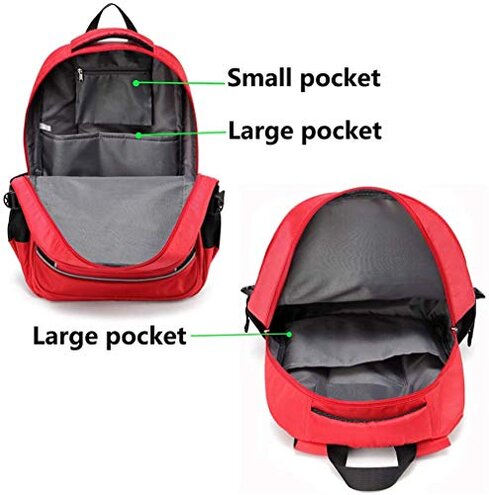
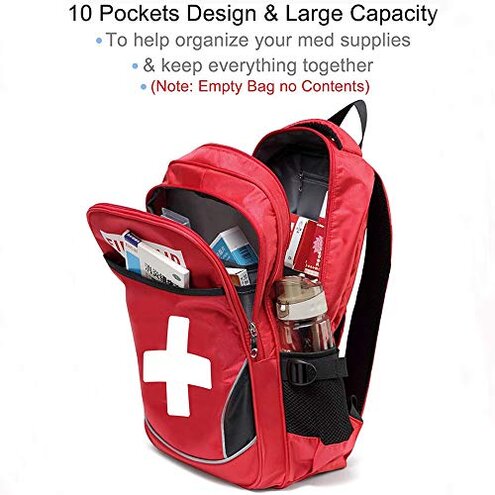
- Cluttered layout: Multiple pockets cause confusion rather than ease of access.
- Hard to separate items: Elastic slots and mesh compartments don't efficiently keep supplies organized.
- Frustration point: Users spend extra time searching for needed tools during emergencies.
- Frequency: A common complaint across many user reviews.
- Hidden requirement: Requires extra effort to rearrange and customize compartments.
- Category context: Other bags provide simpler, more intuitive layouts that support quick access.
Does the bag's size and weight affect portability?
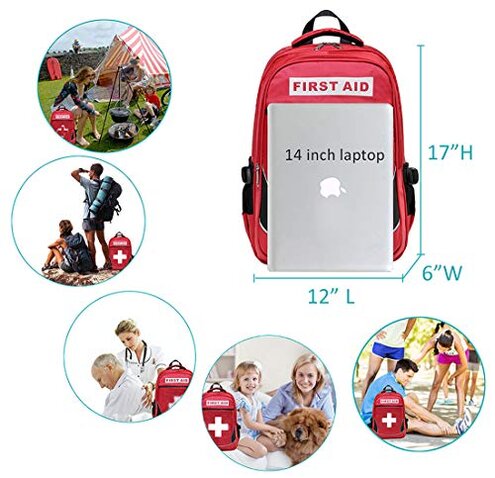
- Bulky dimensions: The 12x6x17 inch size makes the bag cumbersome to carry.
- Heavier than expected: At over 1.4 pounds empty, it adds unnecessary load.
- Impact: Difficult to handle during active field trips or emergencies.
- Duration: Weight becomes more problematic during extended use sessions.
- Comparison: Mid-range alternatives tend to be more compact and lightweight.
- Secondary issue: Some users noted awkward shape impacting storage in vehicles.
Are there problems with the bag's material and maintenance?
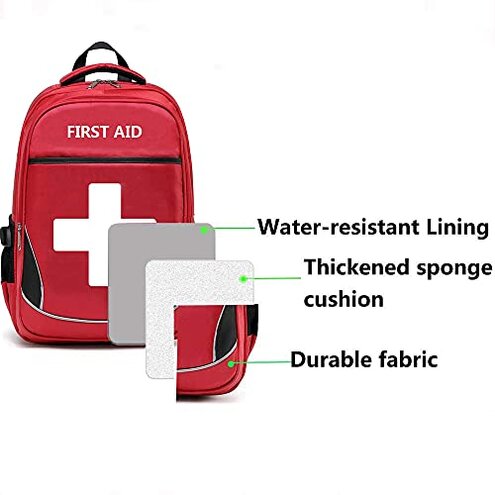
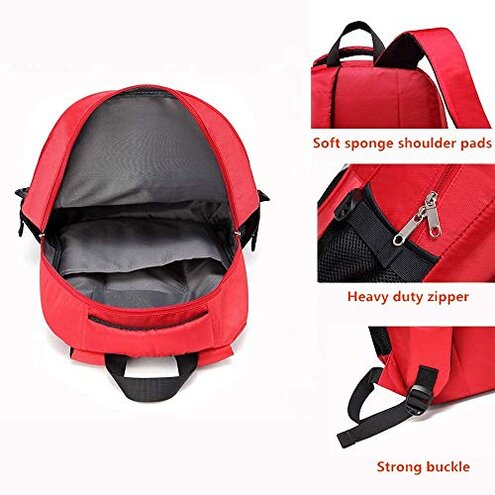
- Material worries: Although advertised as durable, nylon shows quick signs of wear.
- Cleaning challenges: The multi-pocket design makes thorough cleaning difficult.
- Effect on hygiene: Residue and dirt can accumulate, affecting emergency readiness.
- User reports: Some found the reflective strips peeling off after exposure.
- Less forgiving: This contrasts with bags that use more resilient and easy-care fabrics.
- Edge case: Not all users face this, but when it occurs, it reduces bag longevity.
What about the bag's suitability for different users and scenarios?
- Overgeneralized fit: Marketed for many kinds of responders but lacks customization for specific needs.
- Insufficient padding: Foam thickness sometimes inadequate for protecting sensitive equipment.
- Multi-use confusion: Trying to suit diverse roles leads to compromised design.
- Effect: Users needing specialized compartments find it lacking.
- Category baseline: Many bags focus on narrower user groups with better feature tailoring.
- Common complaint: Persistent dissatisfaction among professionals requiring specific setups.
- Illustrative excerpt: "Feels like a one-size-fits-all that fits no one well." (Secondary pattern)
Illustrative buyer excerpts:
- "The compartments are all over the place, wasting precious time." — reflects a primary recurring organization complaint.
- "After a few weeks, the fabric started fraying around the edges." — indicates a primary durability issue.
- "It's just too heavy to carry during long field trips." — a secondary portability concern.
- "Cleaning the bag is a nightmare with all these pockets." — an edge-case maintenance problem.
- "Not enough padding for my medical tools, which worries me." — a secondary suitability issue.
Who should avoid this
- Professionals needing durable gear: Those requiring rugged bags for daily use should look elsewhere due to early wear.
- Users prioritizing quick organization: If you need instant access in emergencies, this bag's cluttered pockets will frustrate.
- People valuing lightweight gear: The bulk and weight make it unsuitable for long carries or active scenarios.
- Individuals needing easy maintenance: Cleaning struggles make this bag a poor choice for hygiene-sensitive users.
Who this is actually good for
- Casual first aid users: Those needing a basic, affordable bag for light, infrequent use may tolerate the flaws.
- Users with time to customize: If you invest effort in reorganizing pockets, you can offset some layout issues.
- Stationary storage: Suitable for those keeping supplies in one place rather than mobile use.
- Budget-conscious buyers: If price is top priority over durability and convenience, this bag fits.
Expectation vs reality
Expectation: Buyers reasonably expect a durable and well-organized bag for emergency supplies.
Reality: This bag falls short with early fabric wear and a complicated pocket layout that hinders quick access.
Expectation: The size should balance capacity and portability.
Reality: The bag's bulk and weight make it less manageable than typical mid-range options.
Safer alternatives
- Choose bags with proven durability: Look for reinforced stitching and durable fabrics tested for frequent use.
- Prioritize intuitive layouts: Select models with clearly separated compartments for quick retrieval of supplies.
- Select compact, lightweight designs: Bags designed for mobility reduce user fatigue during fieldwork.
- Opt for easy-to-clean materials: Smooth linings and fewer pockets simplify maintenance.
The bottom line
The main regret trigger for this Camoredy first aid bag is its cumbersome size and poor organization, which complicates emergency use. This risk level exceeds normal category expectations since other bags typically offer better durability and usability. Buyers prioritizing reliability and quick access should consider alternatives before purchasing.
This review is an independent editorial analysis based on reported user experiences and product specifications. NegReview.com does not sell products.