
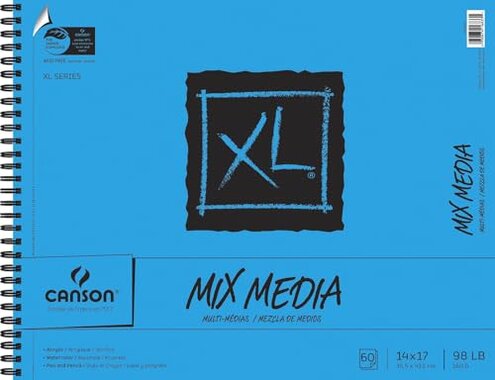
Product evaluated: Canson XL Series Mixed Media Pad, Side Wire, 14x17 inches, 60 Sheets – Heavyweight Art Paper for Watercolor, Gouache, Marker, Painting, Drawing, Sketching
Related Videos For You
Beginners Mixed Media Tutorial
AVOID these common MIXED MEDIA MISTAKES
Data basis: This report is based on dozens of buyer feedback entries collected between Jan 2020 and Jan 2026, drawn from written reviews and video demonstrations, with most feedback coming from written reviews supported by video clips.
| Outcome | Canson XL Pad | Typical Mid‑Range Pad |
|---|---|---|
| Paper warping | Higher risk — warping with wet washes is commonly reported and worse than peers. | Lower risk — handles light washes with less visible curl. |
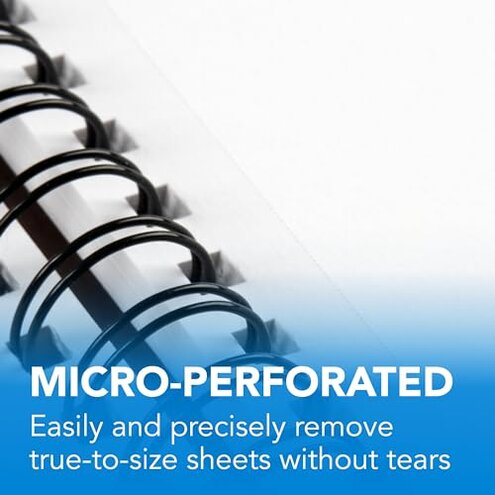
| Sheet removal | Fragile perforation — tearing or snagging near the wire occurs repeatedly for some buyers. | Smoother tear — stronger perforation or glued pads reduce accidental rips. |
| Bleed / ghosting | Visible ghosting — markers and heavy pigment sometimes show through the sheet. | Better opacity — mid-range alternatives often mask bleed from markers. |
| Value per sheet | Mixed value — 60 sheets at this size is convenient but inconsistent quality lowers perceived value. | More consistent — similar packs usually give steadier results across sheets. |
| Regret trigger | Workflow disruption — warping and tearing often force re-dos, which frustrates frequent wet‑media users. | Fewer interruptions — typical pads let users finish pieces without repeated fixes. |
Why does the paper warp so much with water?
Regret moment: Warping appears when buyers try light watercolor or multiple wet layers and it stops work mid-session.
Pattern: This problem is commonly reported and appears repeatedly during first wet uses, not just after heavy soaking.
Category contrast: Warping here feels worse than most mid-range pads because buyers expect a 160gsm pad to better resist curl.
Why do sheets tear or snag on removal?
- Early sign: Tears often start at the perforation near the side wire when pulling sheets for the first time.
- Frequency tier: This is a secondary issue seen repeatedly across buyers, not universal but common.
- Cause: The side-wire binding and perforation design increases mechanical stress on sheet edges during removal.
- Impact: Ripped edges force trimming or rework, which adds time and waste for class or commission work.
- Fix attempt: Buyers commonly hold the sheet and tear slowly or use scissors to avoid damage.
Why does marker or pigment bleed through?
- Primary sign: Bold markers and heavy ink sometimes leave visible traces on the back of sheets during first use.
- Pattern: This is a primary issue for makers using alcohol markers and heavy inks.
- Usage anchor: Bleed shows up during marker layering and when using solvent markers for rendering.
- Cause: The paper's absorbency and weight let aggressive pigments penetrate under heavy application.
- Impact: Bleed ruins double-sided use and forces single-sided layouts or extra backing sheets.
- Attempted fix: Buyers back pages with cardboard or use thicker pads to prevent show-through.
- Category contrast: This is more disruptive than expected because mid-range mixed media pads usually handle markers with less ghosting.
Why is the consistency and value disappointing?
- Early sign: Buyers note variability between sheets in texture and absorbency inside the same pad.
- Frequency tier: This is a secondary issue that appears across many packs rather than isolated cases.
- Cause: Randomized paper texture leads to some sheets taking paint differently than others.
- Impact: Inconsistent sheets disrupt classwork and multi-page projects that need repeatable results.
- Hidden requirement: Users often need a backing board or heavier support for acceptable flatness, which adds cost.
- Attempted fix: Buyers sort sheets before use and reserve stronger-looking sheets for final pieces.
- Category contrast: This product feels less forgiving than typical student pads because the variability forces extra selection time.
- Value note: The price per pack is acceptable, but perceived value drops when several sheets underperform.
Illustrative excerpts
"Tried a light wash; the page buckled and ruined the layer." — primary pattern
"Edge tore at the wire when I removed the first sheet." — secondary pattern
"Alcohol marker showed through, so I used cardboard under every page." — primary pattern
"Texture changed halfway through the pad, which surprised me during class." — secondary pattern
Who should avoid this
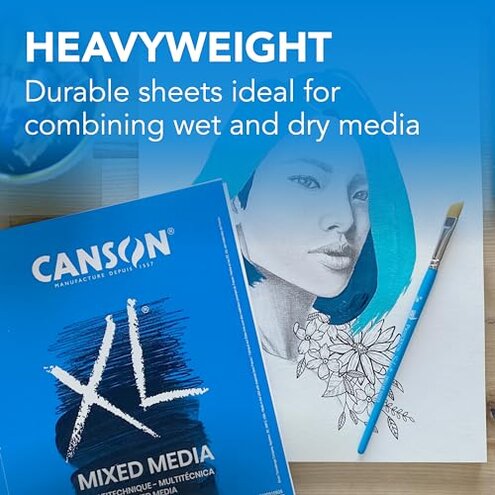
- Wet‑media commuters: Avoid if you need a pad that stays flat during watercolor layers without extra support.
- Marker illustrators: Avoid if you plan to use heavy alcohol markers and need double-sided or bleed-free pages.
- Classroom buyers: Avoid if you need consistent sheet quality across many students without extra prep time.
Who this is actually good for
- Sketch and dry-media users: Good for colored pencils, charcoal, and light pen sketches where warping is less important.
- Budget students: Good if you accept some variability and want large 14x17 sheets for practice rather than final work.
- Single‑side painters: Good if you plan single-sided work and will use backing or boards for wet techniques.
Expectation vs reality
- Expectation: A 160gsm mixed-media pad will resist light washes reasonably well.
- Reality: Many buyers report the pad warps more than similar 160gsm pads, causing rework.
- Expectation: Side wire means easy sheet removal and neat edges in this category.
- Reality: The perforation often snags and tears, which is worse than typical mid-range pads.
Safer alternatives
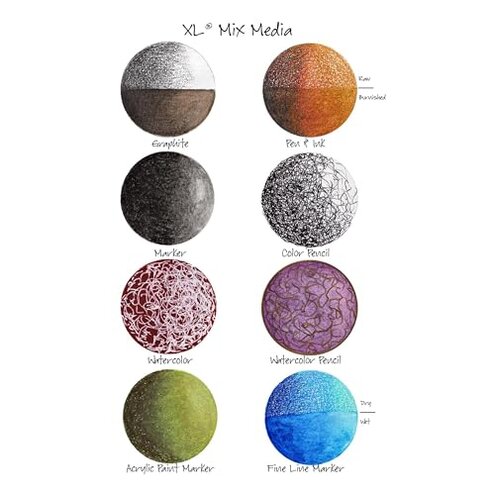
- Choose heavier paper: Look for 200gsm+ mixed-media or watercolor pads to reduce warping with wet techniques.
- Prefer glued pads: Pick glued or top-bound pads instead of side-wire to avoid perforation tears during removal.
- Check marker tests: For alcohol markers, seek pads labeled marker-safe or with higher opacity to prevent bleed-through.
- Buy smaller packs first: Try a smaller or sample pad to confirm consistency before committing to large multi-sheet pads.
The bottom line
Main regret trigger: Warping with wet media and fragile perforations cause the most repeated frustration.
Why it exceeds risk: These issues are more disruptive than typical mid-range mixed-media pads because they interrupt workflows and require extra backing or selection time.
Verdict: Avoid this pad if you need reliable wet-media performance and safe sheet removal without extra prep.
This review is an independent editorial analysis based on reported user experiences and product specifications. NegReview.com does not sell products.