
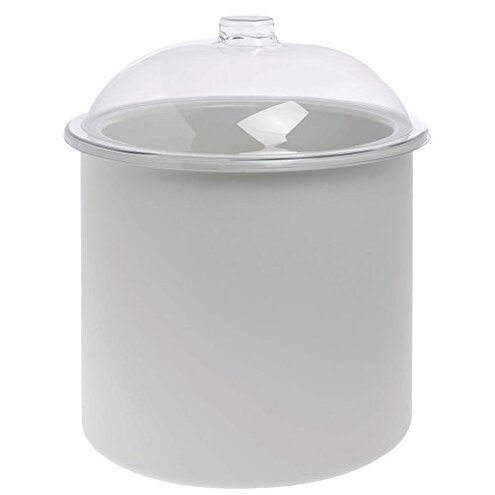
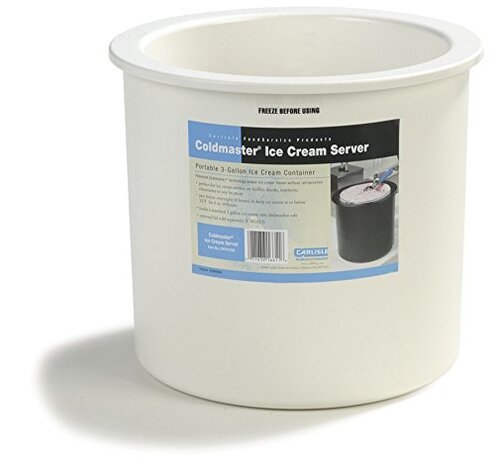
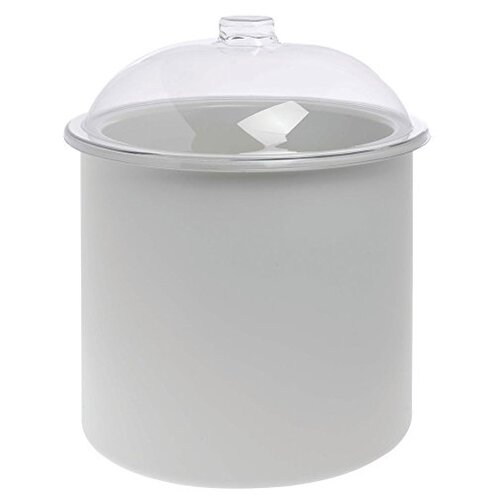
Product evaluated: Carlisle FoodService Products Coldmaster Ice Cream Server Insulated Crock with Lid for Kitchens and Restaurants, Plastic, 3 Gallons, White
Related Videos For You
Server Products IRS-1 Ice Pack Cooled Server
How to Properly Clean Your Soft Serve Machine
Data basis: This report draws on dozens of written reviews and several video demonstrations collected through February 2026, with most feedback coming from written reviews and supported by demonstration clips.
| Outcome | Carlisle 3‑Gallon Server | Typical mid‑range alternative |
|---|---|---|
| Cold hold | Shorter-than-claimed — appears repeatedly as melt within event hours. | Average — often meets multi-hour hold when pre-frozen properly. |
| Mess & operation | Moderate mess — lid fit and draining complaints are common. | Cleaner — many alternatives use removable liners or better drains. |
| Portability | Portable but bulky — heavy when filled and needs freezer space to prep. | Balanced — similar capacity options are lighter or have collapsible parts. |
| Durability risk | Higher-than-normal — durability concerns reported after repeated use. | More durable — many mid-range units show fewer cracking/wear issues. |
| Regret trigger | Fast melt during events — the most cited disappointment for buyers. | Lower risk — alternatives more reliably hold multi-hour events. |
Top failures
Does the server actually keep ice cream cold for party hours?
Regret moment: Many buyers expected multi‑hour cold hold but saw ice cream soften earlier than promised.
Pattern: This is a primary complaint that appears repeatedly in feedback and often shows up during real events rather than lab claims.
Usage anchor: The issue commonly appears after two to four hours at room temperature or in mild outdoor heat and worsens during long serving periods.
Category contrast: This feels worse than typical mid‑range servers because the product's claim of extended freezing often requires more careful pre‑freeze and frequent ice top‑ups than buyers expect.
Why does the lid and opening create a messy service?
- Early sign: Buyers commonly report the lid doesn’t seal tightly on first use.
- Frequency tier: This is a secondary pattern reported across multiple written accounts.
- When it shows: The problem shows up during active scooping and when the server is moved between stations.
- Cause: Fit and trim tolerances seem to allow warm air exchange and drips when scooping.
- Impact: The result is shorter cold hold and extra cleanup compared with sealed alternatives.
Is cleaning and prep harder than expected?
- Hidden requirement: Proper use requires an overnight pre-freeze of the gel walls and enough freezer space.
- Early sign: New owners notice narrow seams that trap residue immediately after use.
- Frequency tier: This is a secondary complaint appearing repeatedly in user feedback.
- When it matters: The cleaning burden rises after events and with frequent use.
- Attempts to fix: Buyers report extra time spent soaking and scrubbing versus wipe-only alternatives.
- Category contrast: This is more upkeep than most mid‑range servers because alternatives often have removable liners or smoother interiors.
Will size, weight, and durability cause problems at events?
- First sign: The unit is noticed as heavy when filled during transport to serving tables.
- Pattern: Durability concerns are a primary or persistent secondary report after repeated use.
- When it breaks: Issues with cracking or wear appear after repeated use or rough handling.
- Impact: A damaged server increases the risk of spills and faster melt during events.
- Attempts: Owners often add external insulation or ice packs to compensate.
- Fixability: These fixes add time and complexity compared with typical category solutions.
- Category contrast: This product is less forgiving than many mid‑range choices that tolerate frequent transport better.
Illustrative excerpts (not real quotes)
- "Melted faster than I planned mid‑party." — reflects a primary pattern of early soften.
- "Lid kept slipping and dripped everywhere." — reflects a secondary pattern of fit/mess issues.
- "Took up the whole freezer to prep overnight." — reflects an edge‑case hidden requirement issue.
Who should avoid this
- Outdoor hosts who need reliable multi‑hour cold hold in warm conditions.
- Busy caterers who require quick cleanup and removable liners.
- Small freezers owners who cannot dedicate overnight space for pre‑freezing.
Who this is actually good for
- Single‑use event hosts who can pre‑freeze the server and serve indoors where temperatures are controlled.
- Static buffet setups where the unit stays stationary and is monitored during service.
- Buyers on a strict budget who accept extra prep and cleanup to save on upfront cost.
Expectation vs reality
Expectation: It's reasonable for this category to need pre‑freezing to reach multi‑hour hold.
Reality: The product often requires more careful prep and topping-up than typical mid‑range servers to avoid early melt, which raises effort and event risk.
Expectation: Mid‑range servers usually allow easy cleaning or removable liners.
Reality: This server's narrow seams and fixed walls increase cleanup time and hidden maintenance.
Safer alternatives
- Choose removable liners to eliminate trapped‑residue cleaning problems and speed turnover.
- Pick thicker insulation or active coolers for outdoor events to counter early melt risks.
- Confirm lid design by seeking models with locking seals to reduce drips and air exchange.
- Match freezer needs by measuring freezer space and choosing collapsible or smaller prep units if space is limited.
The bottom line
Main regret: The server's cold hold and lid fit are the main triggers for buyer disappointment.
Why it matters: These failures exceed normal category risk because they add prep, cleanup, and event‑time fixes that many buyers did not expect.
Verdict: Avoid this model if you need dependable multi‑hour service with minimal maintenance.
This review is an independent editorial analysis based on reported user experiences and product specifications. NegReview.com does not sell products.