
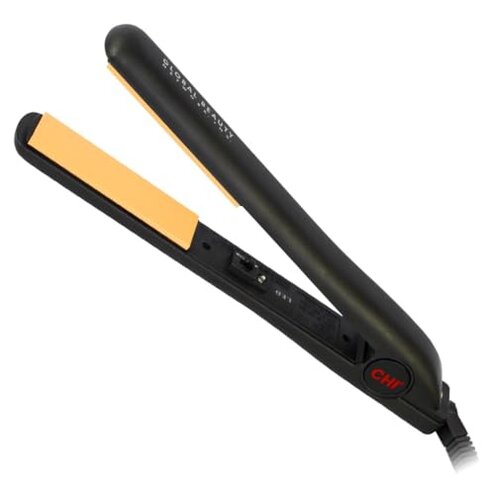
Product evaluated: CHI Original Ceramic Flat Iron, Straightener For A Smooth Finish, Ceramic Floating Plates, Quick Heat Up, Analog On/Off Switch, 1" Black
Related Videos For You
How To Flat Iron the HEALTHY Way
Ceramic Hair Straightener #Shopclues
Data basis: This report combines hundreds of buyer comments collected from written feedback and video-style demonstrations between 2015 and 2026. Most input came from detailed written experiences, with shorter visual demonstrations used to confirm how the iron behaves during real styling sessions.
| Buyer outcome | CHI Original | Typical mid-range flat iron |
|---|---|---|
| Heat control | Higher risk because the temperature is fixed at 392°F. | Lower risk because adjustable settings are usually included. |
| Hair type fit | Narrower fit, especially if your hair needs more or less heat. | Broader fit across fine, medium, and many thicker textures. |
| Learning curve | More trial because you must adapt your technique to one heat level. | Less trial since the tool can be tuned to your hair. |
| Daily styling time | Can stretch longer if one-pass results do not happen on your hair type. | More predictable for mixed households and changing styles. |
| Regret trigger | Most common when buyers expect flexibility and discover the tool is locked to one temperature. | Less common because mid-range alternatives usually reduce this mismatch risk. |
Do you need more control than one fixed heat setting gives?
This is the primary issue. The regret moment usually appears on first use, when buyers realize there is no heat adjustment beyond simple on and off. That feels more disruptive than expected for this category because many mid-range irons now offer basic temperature choices.
The pattern appears repeatedly. It is not universal, because some buyers with thinner hair actually prefer the simplicity. But the mismatch becomes obvious during daily use if your hair reacts badly to one fixed temperature.
Why it stings: A flat iron near this price often acts like a shared household tool. This one works best only if your hair happens to match its single heat level.
Illustrative: “I didn’t realize it was one temperature until I tried to lower it.”
Pattern: This reflects a primary complaint tied to setup and first-use expectations.
Is 392°F too much for your hair, or not enough?
- Primary mismatch: This is a recurring complaint because 392°F can be too harsh for fragile hair and too limited for coarse hair.
- When it shows up: The problem appears during daily styling, especially when you want straight results in fewer passes.
- Fine hair risk: Some buyers report the iron feels less forgiving than expected on thin or easily stressed hair.
- Thick hair limit: Others find it less effective on stubborn sections, which adds extra passes and styling time.
- Category contrast: A typical mid-range option gives you room to go lower or higher, so this fixed setting creates a higher-than-normal fit risk.
- Early sign: If you need to pause often, re-pass sections, or move unusually fast, your hair likely does not match the set heat.
- Fixability: Technique changes can help a little, but the hidden limit is that you cannot tune the tool to changing hair condition or humidity.
Illustrative: “It gets hot, but my roots still need extra passes.”
Pattern: This reflects a primary problem for thicker or resistant hair textures.
Will simple controls feel easy, or too basic?
- Secondary issue: The analog switch is simple, but that simplicity removes the feedback many buyers expect today.
- Hidden requirement: You need to be comfortable guessing whether the single heat level suits your hair before styling a full section.
- Usage moment: This frustration starts after setup, once buyers look for indicators, customization, or clearer control.
- Pattern signal: This appears less often than heat mismatch, but it becomes more frustrating in shared homes.
- Impact: Different users cannot quickly tailor the tool for fine hair, damaged ends, or touch-up work, so the iron feels less flexible.
- Category contrast: In this category, even modest competitors often provide at least a few heat choices, so the stripped-down control set can feel behind baseline.
Illustrative: “It works, but it feels old-school compared with newer straighteners.”
Pattern: This reflects a secondary pattern about usability rather than raw heating.
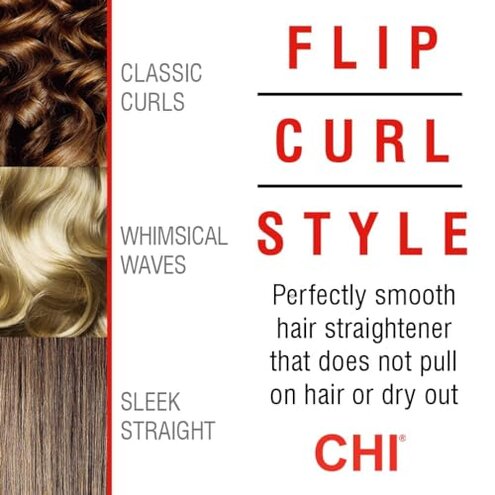
Are you expecting one tool for straightening, flips, and curls?
- Expectation gap: The styling claims sound versatile, but recurring feedback suggests results depend heavily on hair type and technique.
- When it worsens: This shows up during longer sessions when buyers try to switch from straightening to curling or flipping.
- Primary trade-off: It can straighten well for the right user, but the fixed heat makes it less adaptable for varied styles.
- Time cost: If curls or flips do not take easily, users spend extra time repeating sections or settling for flatter results.
- Pattern scope: This is not universal, yet it persists across mixed hair textures and styling goals.
- Category contrast: Many buyers reasonably expect a mid-range multi-use iron to handle more situations without technique-heavy work, so this can feel worse than normal.
- Practical limit: If you want one tool for several people or frequent style changes, the single setting becomes the main bottleneck.
Illustrative: “Straightening is fine, but curling takes way more effort than expected.”
Pattern: This reflects a secondary pattern tied to versatility claims.
Who should avoid this
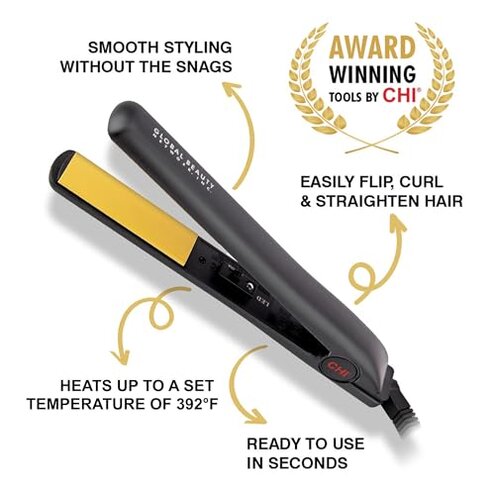
- Avoid it if your hair is color-treated, fragile, or easily stressed by heat, because the fixed 392°F setting removes the lower-heat safety margin many buyers want.
- Avoid it if your hair is thick, coarse, or resistant, because repeated passes are a commonly reported frustration and can add time beyond category norms.
- Avoid it if multiple people will share one iron, because the lack of heat adjustment creates a higher mismatch risk than most mid-range alternatives.
- Avoid it if you expect modern controls or easy customization, since the hidden requirement is accepting a very basic on/off experience.
Who this is actually good for
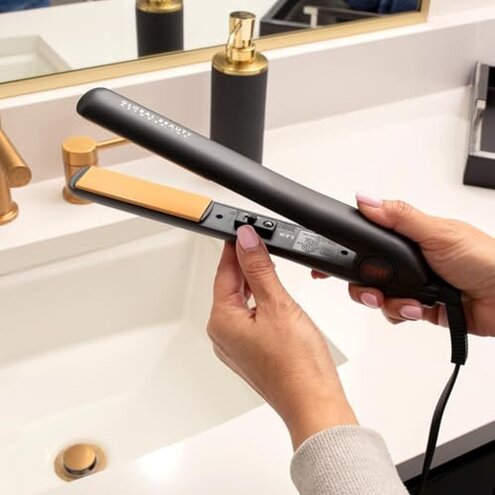
- Good fit for someone with thinner hair who wants a simple straightener and is willing to tolerate no heat customization.
- Good fit for buyers who dislike menus or digital controls and prefer a basic switch over added settings.
- Good fit if you mainly want quick straightening, not frequent curls or style changes, and your hair already responds well to medium-high heat.
- Good fit for a solo user who already knows a fixed 392°F tool works well on their hair.
Expectation vs reality
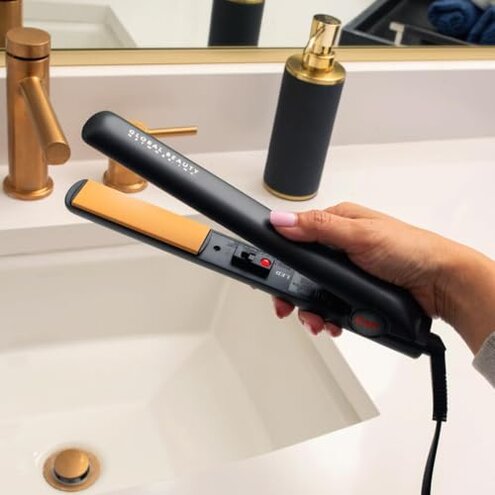
Expectation: A mid-range flat iron should give reasonable control for different hair types.
Reality: This one locks you into a single temperature, which creates a worse-than-expected fit problem.
Expectation: Simple controls should mean easy use.
Reality: Here, simple can also mean less adaptable, especially when styling needs change from day to day.
Expectation: A tool advertised for several styles should feel flexible enough in real routines.
Reality: The single heat level can make that flexibility feel conditional rather than dependable.
Safer alternatives
- Choose adjustable heat if your main concern is damage or repeated passes, because that directly fixes the single-temperature mismatch.
- Look for clear settings if more than one person will use the iron, since shared use is where this model’s fixed heat becomes most limiting.
- Pick a texture-matched tool if your hair is very fine or very coarse, because this model is less forgiving than typical mid-range options.
- Prioritize multi-style ease if you want curls and flips often, since that reduces the extra trial-and-error this iron can create.
The bottom line
The main regret trigger is not weak heating. It is the lack of heat control, which creates a higher-than-normal risk that the tool simply will not match your hair or styling routine.
If your hair needs flexibility, this is easier to avoid than to work around. It makes the most sense only for buyers who already know a fixed 392°F straightener suits them.
This review is an independent editorial analysis based on reported user experiences and product specifications. NegReview.com does not sell products.