
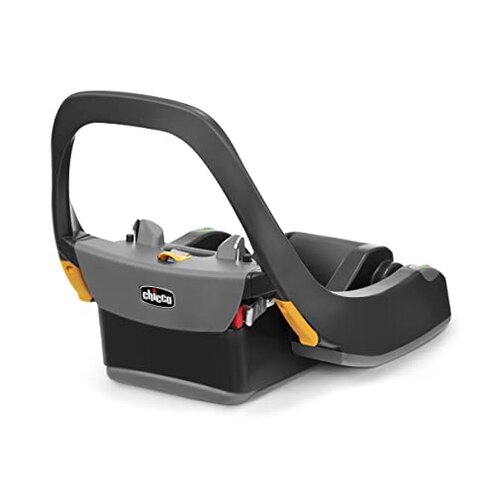
Product evaluated: Chicco KeyFit Infant Car Seat and Base, Rear-Facing Seat for Infants 4-22 lbs., Includes Infant Head and Body Support, Compatible with Chicco Strollers, Baby Travel Gear | Encore/Black/Grey
Related Videos For You
Infant car seat installation
Data basis: This report used dozens of written buyer reviews and several video demonstrations collected between Dec 2023 and Feb 2026. Most feedback came from written reviews, supported by video demonstrations and seller Q&A. Observations focus on recurring buyer-visible issues rather than manufacturer claims.
| Outcome | Chicco KeyFit | Typical mid-range seat |
|---|---|---|
| Installation security | Higher risk — recurring base fit and level-check frustrations during first install and vehicle swaps. | Standard — most mid-range seats have fewer reported base-angle adjustments. |
| Daily handling | Bulky — heavier and harder to lift for frequent one-handed moves. | Lighter — mid-range options are generally easier for daily carry. |
| Stroller compatibility | Good — clicks into proprietary strollers but fits vary by model and vehicle. | Mixed — similar category options offer comparable stroller adapters. |
| Cleaning & canopy | Manageable — machine-washable pad, but frequent removal is time-consuming. | Comparable — many seats require similar fabric care. |
| Regret trigger | Installation fuss — more time and repeated adjustments than buyers expected. | Lower — mid-range seats usually meet reasonable install expectations. |
Top failures
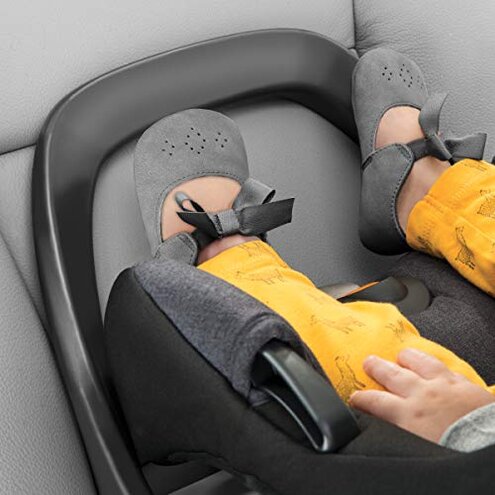
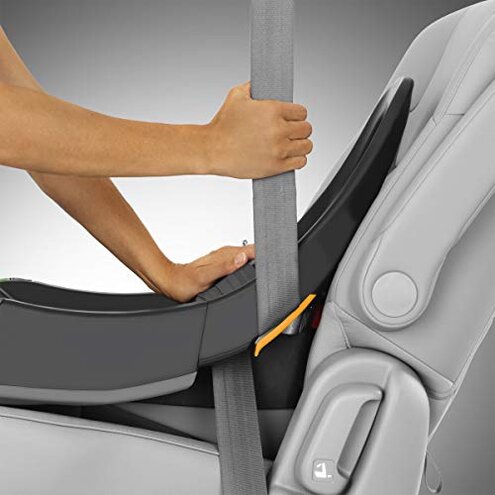
Why does the base feel fiddly and unsafe to install?
Regret moment: Buyers report frustration when first installing the base and after switching vehicles, with setup taking far longer than expected.
Pattern: This is a primary complaint that appears repeatedly across written feedback and demos, not universal but common.
Usage anchor: The problem shows up at first use and when you move the base between cars, and it worsens with frequent swaps.
Category contrast: This is worse than typical mid-range seats because buyers expect a secure, quick base fit without repeated re-tightening.
Is the harness and newborn fit awkward?
- Early sign: Straps sit oddly around small newborn shoulders during the first rides, reported by several buyers.
- Frequency tier: This is a secondary issue — it shows up often enough to notice but not for every child.
- Cause: The infant insert needs frequent re-positioning to keep the harness in the right place.
- Impact: Misplaced straps make tightening harder and add time to each buckling event.
- Fix attempts: Parents commonly report needing extra padding or professional help for a snug fit.
Does the seat feel too heavy or awkward to carry?
- Weight issue: The seat and base together are described as bulky during daily transfers in cars.
- When it worsens: Handles get more tiring on long outings or when carrying one-handed with a baby.
- Frequency tier: This is a primary daily annoyance for caregivers who do many short trips.
- Cause: Heavier base and shell design increase perceived effort when lifting in and out of vehicles.
- Impact: Added time and strain during busy routines, sometimes forcing two-person handling.
- Fixability: Few buyers report a complete fix; some switch to lighter alternatives.
- Hidden need: Requires adequate trunk or passenger seat space for comfortable placement.
Is cleaning or canopy use more annoying than expected?
- Early sign: The fabric pad is machine-washable but removal is fiddly and frequent after spit-up or messes.
- Frequency tier: This is a secondary complaint among regular users with infants.
- Cause: Deep creases and insert pieces trap crumbs and fluids, increasing cleaning time.
- Impact: More laundry cycles and longer downtime for the seat to dry.
- Attempts: Buyers often pre-wash inserts or buy extra pads to rotate.
- Hidden requirement: You may need extra replacement pads to keep the seat usable during wash cycles.
- Category contrast: More upkeep than most mid-range seats, which usually have easier quick-clean options.
- Fixability: Manageable with planning but adds ongoing cost and time.
Illustrative excerpts (not real quotes)
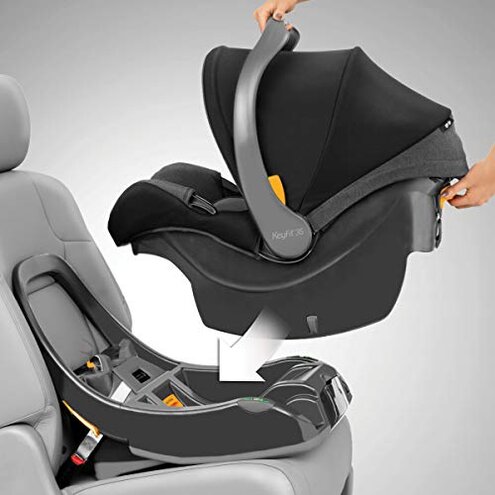
"Installation took much longer than expected; level bubbles confusing." — Primary pattern
"Straps slip too low on my newborn, had to add extra padding." — Secondary pattern
"Too heavy for quick errands; I needed both hands to lift it." — Primary pattern
"Removing the pad for laundry is fiddly and slows us down." — Secondary pattern
Who should avoid this
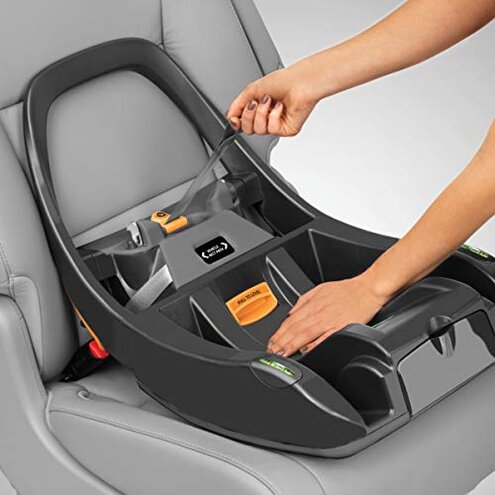
- Frequent-swap drivers: Avoid if you move the base between cars daily because the installation fuss is a persistent time sink.
- Single-parent commuters: Avoid if you need one-handed, fast transfers because the weight and handle ergonomics add strain.
- Parents wanting low upkeep: Avoid if you dislike frequent fabric removal and drying since cleaning is more effortful.
Who this is actually good for
- Stroller system users: Good if you plan to click the carrier into a compatible stroller and rarely remove the base.
- Occasional drivers: Works for caregivers who install once and keep the base in one vehicle.
- Budget-conscious buyers: Suitable if you accept extra setup time in exchange for the seat’s price point and features.
Expectation vs reality
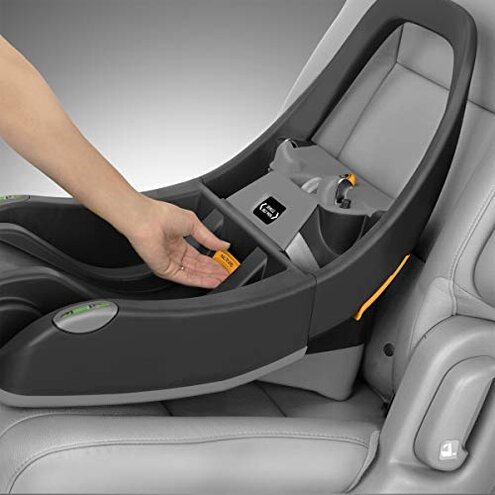
- Expectation: Reasonable for this category — "easy, fast base install" is typical for many mid-range seats.
- Reality: The base often needs repeated adjustments and can be confusing during first installs.
- Expectation: Quick daily handoffs between caregiver and car.
- Reality: The seat feels heavy and makes one-handed lifts harder than similar seats.
Safer alternatives
- Prioritize easy-install — Look for seats with clear push-button LATCH tensioners and fewer leveling steps to reduce repeated adjustments.
- Check weight specs — Compare combined carrier-plus-base weight if you need frequent one-handed moves.
- Test vehicle fit — Try the seat in your car or a retailer demo to confirm base angle and handle clearance before buying.
- Buy extra pads — If you keep this seat, purchase spare washable pads to avoid downtime during laundering.
The bottom line
Main regret: The most common trigger is the installation and daily handling friction that adds time and stress to routine trips.
Why worse: These issues exceed typical category inconvenience because they affect safety positioning and daily usability more often than expected.
Verdict: Consider avoiding this seat if you need effortless install swaps or light, one-handed carrying; keep it if stroller compatibility and price matter more than daily convenience.
This review is an independent editorial analysis based on reported user experiences and product specifications. NegReview.com does not sell products.