
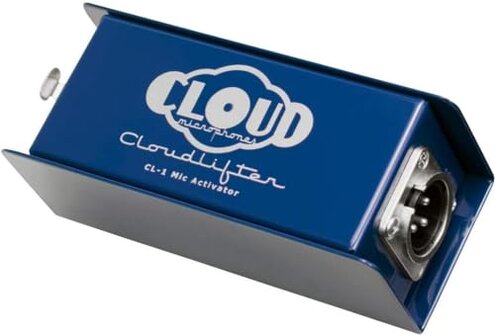
Product evaluated: Cloud Microphones - Cloudlifter CL-2 Mic Activator - Ultra-Clean Microphone Preamp Gain - USA Made
Related Videos For You
Do You Need A Cloudlifter? | Shure SM7B + Cloudlifter CL-1
Got Clean Preamps? Do You Need An Inline Amp? Sound Speeds
Data basis gathered from dozens of written reviews and several video demonstrations collected between 2016 and 2024, with most feedback coming from written product reviews supported by a minority of setup videos.
| Outcome | Cloudlifter CL-2 | Typical mid-range inline booster |
|---|---|---|
| Price | High — premium cost for an inline gain box with limited extras. | Moderate — many alternatives add similar gain at lower cost. |
| Noise risk | Elevated — hum/ground-loop reports appear repeatedly in feedback. | Lower — most mid-range units report fewer persistent hum issues. |
| Setup friction | Hidden steps — requires correct phantom-routing and balanced cables to avoid problems. | Simpler — many rivals are plug-and-play with fewer ground quirks. |
| Compatibility | Mixed — works well with many dynamics but needs care with some preamps and ribbons. | Predictable — mid-range units often document preamp pairings more clearly. |
| Regret trigger | Cost vs trouble — high price plus setup or noise problems drives buyer regret. | Lower regret — cheaper alternatives usually carry less buyer remorse. |
Top failures
Why is there a persistent hum or noise?
Regret moment often occurs during first setup when users power phantom and hear a hum that wasn't present before.
Pattern this issue is commonly reported across written feedback and video demos and is not universal.
Usage anchor hum most often appears when the Cloudlifter is used with preamps that share poor grounding or unbalanced cables.
Category contrast more disruptive than expected because typical inline boosters rarely introduce persistent ground-loop hum in normal home-studio setups.
Will the added gain actually fix quiet mics?
- Primary sign many buyers report the unit boosts level but doesn’t eliminate preamp hiss when using very weak mics.
- Frequency note this is a secondary but recurring complaint across reviews.
- When it shows problem surfaces on first recording sessions with low-output dynamic or distant sources.
- Cause limited headroom in the downstream preamp can reveal hiss even after Cloudlifter gain.
- Impact adds extra troubleshooting time and may force upgrades to a cleaner preamp to solve noise.
Is it safe and compatible with ribbons or tube mics?
- Compatibility pattern mostly works but reports of issues appear repeatedly when operators swap mics without checking wiring.
- Usage anchor problems often show up the first time a ribbon mic is used after other gear changes.
- Hidden requirement device needs correct phantom-power management and balanced XLR wiring to avoid risk.
- Why worse feels riskier than normal because some users expected the Cloudlifter to auto-protect every mic type without additional checks.
- Attempts users commonly try different cables or power chains before giving up or returning the unit.
- Fixability often fixable with grounding changes or preamp swaps, but that adds time and cost.
- Edge cases rare wiring faults or damaged cables make the problem persistent and harder to diagnose.
Does the price match the benefit?
- Buyer pain many buyers describe cost as the top regret when they later encounter hum or compatibility friction.
- Frequency this is a primary complaint across reviews, not an isolated voice.
- When noticed price/value doubts emerge after real sessions when follow-up fixes are needed.
- Category contrast more costly than most mid-range alternatives that produce similar clean gain without as many setup headaches.
- Impact leads some buyers to return the unit or recommend cheaper inline boosters instead.
- Attempts cost dissatisfaction often triggers attempts to resell or trade for a full preamp upgrade.
- Hidden cost additional gear or technician time can erase any perceived benefit from the premium price.
- Verdict implication price multiplies regret when other failures appear, making disappointment more likely than usual.
Illustrative excerpts (not direct quotes)
Excerpt 1 "Hum starts when I plug it in; takes hours to track down the source." — primary
Excerpt 2 "Made my ribbon sound thin until I fixed grounding." — secondary
Excerpt 3 "Boosted level but preamp hiss remained loud." — primary
Excerpt 4 "Expected plug-and-play; spent days swapping cables." — secondary
Who should avoid this

- Home recordists who want plug-and-play reliability with minimal troubleshooting should avoid this if they lack grounding know-how.
- Budget buyers unwilling to invest in a better preamp or extra cables should avoid this due to price vs benefit concerns.
- Live engineers who need a one-step, low-risk inline boost for varied stages should avoid this because compatibility can vary by rig.
Who this is actually good for
- Experienced users who know grounding, have balanced cabling, and can troubleshoot will tolerate the setup quirks for the clean gain.
- Studio owners with consistent preamps and proper wiring will accept the price because the unit preserves tone when correctly paired.
- Podcasters using high-output dynamics and willing to test rigs first will get simple level gains with minimal issues.
Expectation vs reality
Expectation reasonable for this category: many expect a clean, silent gain boost from an inline activator.
Reality users often face unexpected hum, phantom-power quirks, or remaining preamp hiss unless they solve grounding or upgrade equipment.
Contrast while typical mid-range boosters usually add gain with few problems, this product's premium price raises expectations that are not always met.
Safer alternatives
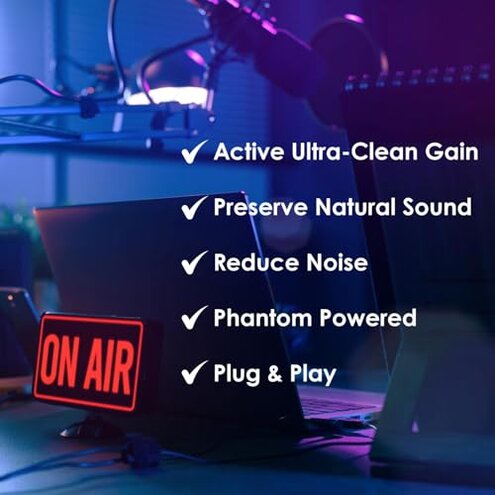
- Check grounding test your rig with a known-good cable and ground lift options before buying to rule out laborsome fixes.
- Consider preamps invest in a cleaner preamp instead if you hear hiss after boosting; that neutralizes the need for an inline box.
- Try cheaper boosters compare mid-range inline gain boxes first; they often provide similar level without the premium price risk.
- Inspect wiring swap to balanced XLRs and isolate devices on different power circuits to stop ground-loop hum.
The bottom line

Main regret the biggest trigger is the unit's potential to introduce hum or require hidden setup changes after purchase.
Why it matters those issues exceed normal category risk because the product is priced as premium yet still needs extra troubleshooting.
Verdict avoid this if you need plug-and-play certainty; consider it only if you can diagnose grounding and accept extra setup time.
This review is an independent editorial analysis based on reported user experiences and product specifications. NegReview.com does not sell products.