
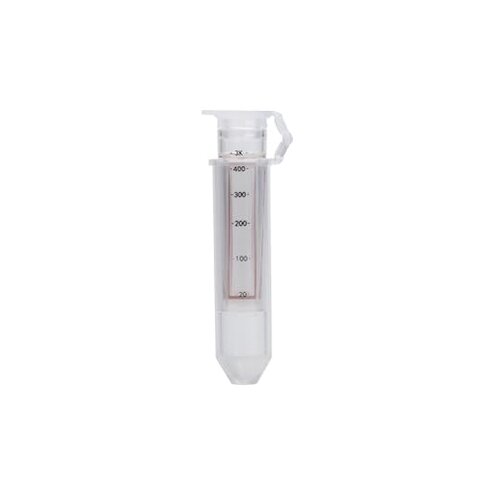
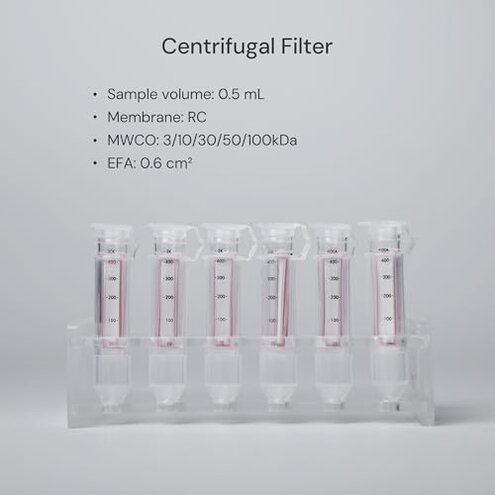
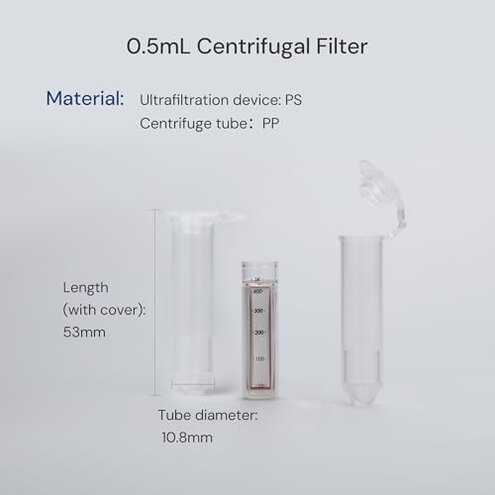
Product evaluated: COBETTER 3kDa Ultra Centrifugal Filter Unit, 0.5mL, Regenerated Cellulose RC Membrane, Snap Caps (24/PK)
Related Videos For You
Centrifugal ultrafiltration (spin concentrators) for protein (or nucleic acid) concentrating
Centrifugal ultrafiltration - concentrating protein using spin concentrators (e.g. Amicon)
Dozens of user reports and media were examined from written reviews, photos, and video demonstrations collected between 2023 and 2026 to build this report.
| Outcome | COBETTER 3kDa Unit | Typical Mid-range Alternative |
|---|---|---|
| Sample yield | Variable — commonly reported low or inconsistent protein recovery. | Stable — mid-range units usually deliver predictable recovery. |
| Seal integrity | At-risk — leaks under longer spins reported repeatedly. | Reliable — most competitors show fewer centrifuge leaks. |
| Compatibility | Hidden need — some users required specific rotors or adapters. | Plug-and-play — typical alternatives fit common rotors without extra parts. |
| Ease of use | Extra steps — pre-wetting or handling tricks often needed. | Simpler — mid-range units rarely need extra prep to work well. |
| Regret trigger | Leak + low yield — more disruptive than expected for lab filters. | Lower risk — fewer surprises for routine concentration work. |
Why did my sample volume disappear or give poor yields?
Primary pattern is inconsistent recovery, commonly reported across buyers after first use.
Usage anchor appears during concentration runs when users expected higher protein recovery but saw loss at the membrane.
Category contrast feels worse than typical because mid-range filters usually hit advertised recovery without repeat troubleshooting.
Why is liquid leaking from the unit during centrifugation?
- Frequent sign — leaks are a recurring complaint, especially with longer spins.
- When it happens — primarily during high-speed or extended centrifugation cycles.
- Likely cause — cap or housing fit issues that let fluid escape under g-force.
- Impact — sample loss and contaminated rotor buckets are commonly reported consequences.
- Attempted fixes — users often add tape or secondary seals as a workaround.
Do I need special gear or steps to use these reliably?
- Hidden requirement — many buyers found specific rotor types or adapters required for a good seal.
- Early sign — wobble or uneven spinning on first run indicates misfit.
- Frequency tier — this is a secondary but persistent pattern across varied reports.
- Cause — tight tolerances and snap-cap design that don’t fit every centrifuge vessel.
- Impact — forces additional purchases or limits which centrifuges you can use.
- Fixability — manageable if you own common adapters or plan extra setup time.
- Category contrast — less forgiving than most mid-range units that accept standard rotor wells.
Why does performance degrade after repeated use or storage?
- Observed trend — some users report membrane clogging or reduced flow after multiple uses.
- When it worsens — after repeated spins or when samples contain particulates.
- Early sign — noticeably slower filtration times on follow-up runs.
- Cause — membrane sensitivity to sample load and insufficient pre-rinse steps.
- Impact — adds extra processing time and lowers throughput for batch work.
- Attempts — users try pre-wetting and lower speeds to extend life, with mixed results.
- Fixability — partially mitigated by strict sample prep, unlike typical units that tolerate rougher samples.
- Category contrast — more maintenance than most mid-range centrifugal filters, creating regret when used for frequent batch work.
Illustrative excerpts (not real quotes)
Excerpt: “Filter leaked into rotor, lost precious sample mid-spin.” — primary pattern
Excerpt: “Needed adapter I didn’t expect; wasted lab time finding fit.” — secondary pattern
Excerpt: “Flow slowed after two runs, membrane seemed clogged.” — secondary pattern
Excerpt: “I taped the cap shut to stop small drips.” — edge-case pattern
Who should avoid this
- High-precision users who cannot tolerate sample loss due to the product’s higher-than-normal leak and recovery risk.
- High-throughput labs that run many cycles and need durable, low-maintenance filters.
- Buyers with limited gear who lack rotor adapters or spare parts, since a hidden fit requirement is common.
Who this is actually good for
- Occasional users who can accept extra prep and occasional yield variability for a lower upfront cost.
- Experienced techs who have multiple adapters and can pre-test fit and sealing before critical runs.
- Small-scale work where losing a fraction of yield is acceptable and fixes like taping caps are workable.
Expectation vs reality
Expectation — buyers reasonably expect a lab filter to hold seal and give predictable recovery for each run.
Reality — leaks and inconsistent yields are reported more often than expected, creating avoidable sample loss.
Expectation — product should fit common rotors without extra parts.
Reality — several users needed adapters or workarounds, increasing cost and time.
Safer alternatives
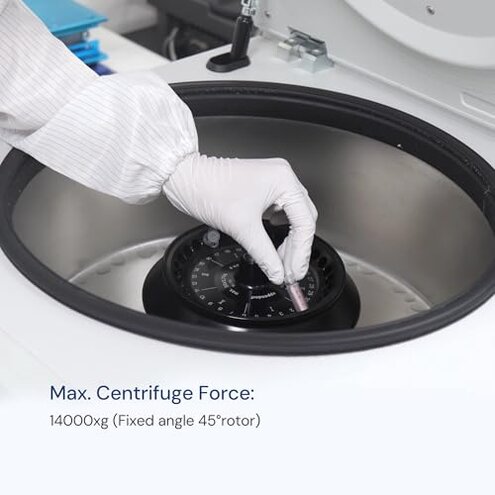
- Choose units labeled for rotor compatibility to neutralize the hidden-fit failure.
- Prefer brands with documented recovery rates and independent validation to avoid inconsistent yield.
- Buy kits that include adapters or secondary seals to prevent centrifuge leaks.
- Look for membranes rated for particulate-loaded samples if you need repeated runs without clogging.
The bottom line
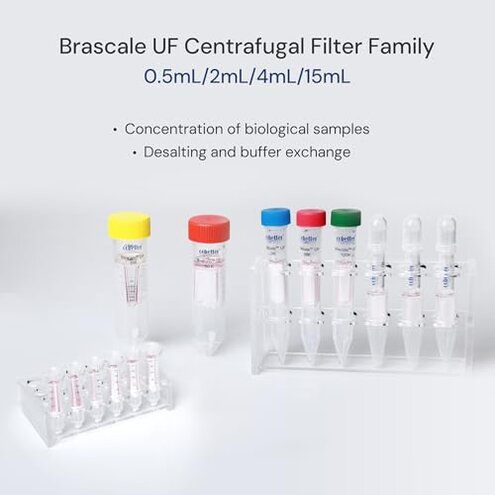
Main regret — the combination of leaks and inconsistent recovery is the core issue buyers report.
Why worse — these problems are more disruptive than typical mid-range filters because they add hidden costs, extra steps, and risk to valuable samples.
Verdict — avoid this product if you need reliable, plug-and-play performance; consider it only if you can absorb extra setup and possible sample loss.
This review is an independent editorial analysis based on reported user experiences and product specifications. NegReview.com does not sell products.