
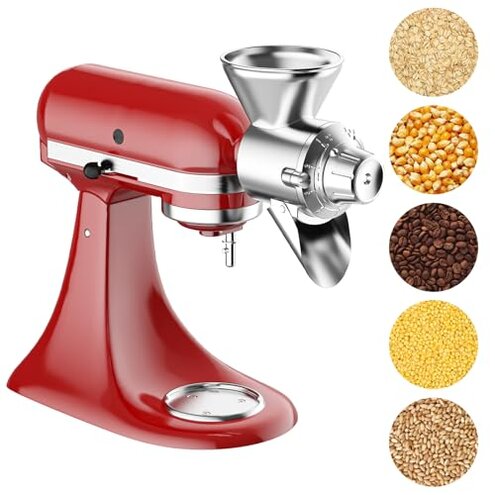
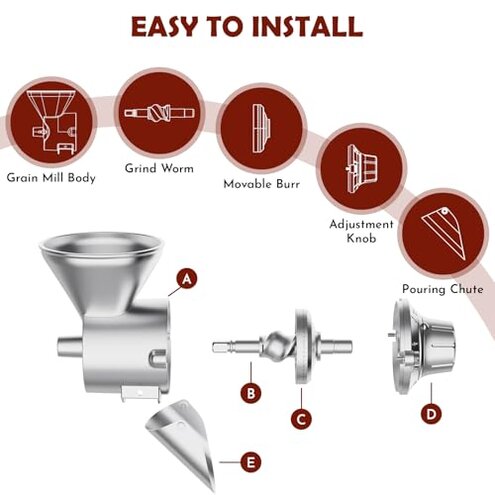
Product evaluated: Grain Mill Attachment for Kitchenaid Stand Mixer, Flour Mill for Kitchenaid, Fit for Non-Oily Dry Grain Corn, Coffee Bean, Buckwheat, Oats, Millet, Wheat, Flour Mill Attachment by Cofun
Related Videos For You
How to Mill Grains with the KitchenAid Grain Mill
KitchenAid Grain Mill Attachment - Cleaning & Assembly
Data basis: This report draws on dozens of buyer comments collected from written feedback and video-style demonstrations between late 2024 and early 2026. Most usable signals came from detailed written experiences, with video evidence mainly supporting setup friction, grind consistency, and cleanup burden during normal kitchen use.
| Buyer outcome | This attachment | Typical mid-range alternative |
|---|---|---|
| First-use setup | Less forgiving; dial use and grain choice need extra care right away. | Moderate; still needs setup, but usually with fewer hidden mistakes. |
| Grind consistency | Mixed; texture range sounds broad, but real-world results can need repeat passes. | More predictable for common home baking use. |
| Mess and cleanup | Higher risk; flour dust and dry-brush cleaning add more upkeep than normal. | Average; cleanup is still manual, but usually less fussy. |
| Ingredient flexibility | Narrower; only dry, non-oily items work safely. | Similar, but many alternatives explain limits more clearly. |
| Regret trigger | Hidden requirements show up after setup when buyers expect simple pour-and-grind use. | Lower; trade-offs are usually clearer before purchase. |
Why does a simple grain job turn into extra trial and error?
Primary issue: One of the most common frustration patterns is that the attachment asks for more technique than many buyers expect. The regret usually starts on first use, when people expect a straightforward mixer add-on and instead have to manage settings, grain type, and feed pace carefully.
Pattern: This appears repeatedly across feedback and is more disruptive than expected for this category. A typical mid-range mill attachment still has a learning curve, but this one seems less forgiving if you adjust at the wrong moment or use the wrong material.
- Early sign: Trouble often starts after setup when the dial needs adjustment while the mixer is running, which is a hidden requirement many shoppers would not expect.
- Frequency tier: This is a primary complaint, not universal, but common enough to matter for first-time mill users.
- Trigger: The problem worsens during recipe switching when users move between coarse meal and finer flour.
- Impact: Buyers can lose time to repeat grinding or stopping to correct the setting instead of getting flour in one pass.
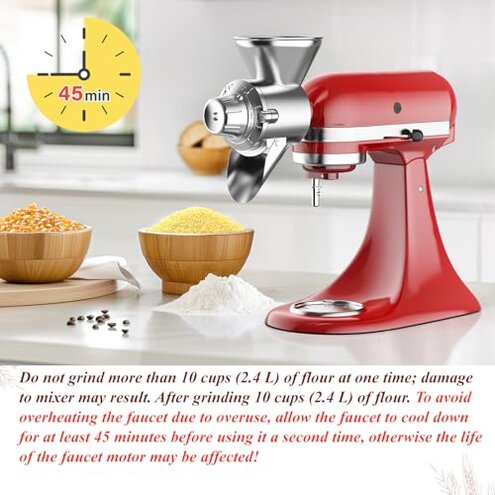
- Cause context: The product itself warns against oily or moist ingredients, so the usable range is narrower in practice than the broad title suggests.
- Fixability: The issue is partly manageable, but only if you follow the operating order closely and keep to very dry grains.
Illustrative excerpt: “I thought it would be attach, pour, and done.” Primary pattern, because setup simplicity is a repeated expectation gap.
Why can the flour texture still feel inconsistent during normal baking use?
Secondary issue: Another persistent complaint is texture inconsistency, especially when buyers want finer flour for bread or pastries. The frustration shows up during daily use when the attachment promises a wide adjustment range, but results may still need another pass.
Contrast: Some variation is reasonable for this category, but the inconvenience feels worse here when buyers are paying near mid-range-plus pricing and still doing extra work. That pushes it beyond normal tolerance for shoppers who want dependable baking texture.
- Severity: This is a secondary complaint, less frequent than setup friction but more frustrating when a recipe depends on fine flour.
- When it appears: It tends to show up mid-session after users try multiple dial settings and still get meal that feels rougher than expected.
- Worsens with: The problem gets more noticeable in finer grind use cases like softer breads, pastries, or baby-food texture.
- Buyer impact: Extra passes add time and mess, which defeats the convenience of using a mixer attachment.
- Cause clue: The broad 9-setting claim raises expectations, so any uneven result feels more disappointing than with simpler mills.
- Common workaround: Buyers often try slower feeding or re-running material, which can help but adds effort.
- Fixability: This is partly fixable for patient users, but not ideal if you want one-pass consistency.
Illustrative excerpt: “It made flour, just not as fine as I needed.” Secondary pattern, because function is present but consistency can miss recipe needs.
Why does cleanup feel like more work than the product sounds?
Primary issue: Cleanup burden is among the most common complaints for attachment-style mills, and the risk here looks higher than normal. The annoyance appears right after use, when leftover flour dust and dry-only cleaning create more steps than buyers expect from a kitchen accessory.
- Hidden requirement: The unit must be kept dry, so you cannot rinse away residue the easy way.
- Real moment: This matters most after back-to-back batches when fine powder collects and users want a faster reset.
- Frequency tier: This is a primary complaint, appearing repeatedly because cleanup happens every single use.
- Why worse here: Most mid-range alternatives also avoid dishwashers, but this feels more tedious when the product pitch emphasizes easy detaching and quick cleanup.
- Buyer impact: Flour dust can spread beyond the mill, adding counter wiping and more kitchen cleanup.
- Attempted fix: Brushing helps, but it still means manual maintenance each time.
- Long-term concern: If users are not careful with residue, the cleaning routine can feel too fussy for frequent milling.
Illustrative excerpt: “The grinding was fine, but the cleanup killed it for me.” Primary pattern, because post-use effort drives repeat regret.
Why do ingredient limits feel stricter than buyers expect?
Edge-case to secondary: Compatibility limits are not shocking for grain mills, but they feel more restrictive here because the product name lists many foods in a broad, inviting way. The problem appears before or during first use when buyers try to mill items that are not dry enough or contain too much oil.
Pattern: This is not universal, but it is a persistent regret trigger for shoppers who want one attachment for grains, coffee, and broader pantry use. Compared with a typical mid-range option, the issue feels worse when the acceptable ingredient list is narrower in practice than buyers assumed.
- Scope: This shows up across multiple feedback types whenever people buy it for versatility instead of strictly dry grain use.
- Worsens under: Problems get more likely with moist or oily items, which can clog the workflow and interrupt the session.
- Impact: Buyers may need a second grinder for coffee or specialty ingredients, which cuts into value.
- Category contrast: Ingredient limits are normal, but the regret is stronger when marketing creates a wider-use expectation than daily reality supports.
Illustrative excerpt: “I needed one grinder for everything, and this was not it.” Edge-case pattern, because it mainly affects buyers seeking all-purpose use.
Who should avoid this
- Avoid it if you want a true beginner-friendly attachment, because the operating order and grain limits add hidden setup mistakes.
- Skip it if you bake often and need consistently fine flour without repeat passes, since texture frustration is a persistent secondary issue.
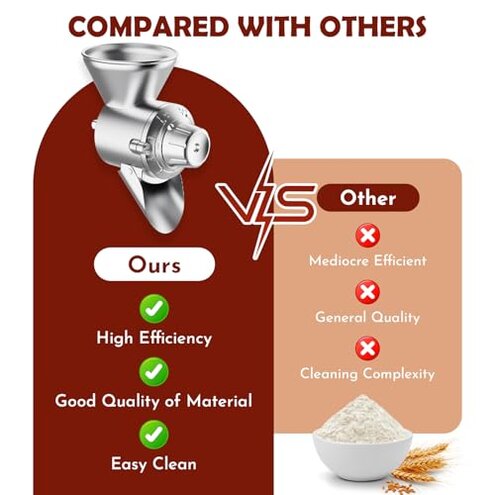
- Pass if you hate manual cleanup, because dry-brush care and flour dust create more upkeep than many shoppers expect.
- Look elsewhere if you want one tool for many pantry items, since dry non-oily use is a stricter limit than broad titles may suggest.
Who this is actually good for

- Good fit for buyers milling dry wheat or oats occasionally and who do not mind learning the right dial routine.
- Works better for patient users who accept extra brushing after each batch in exchange for fresh flour at home.
- Reasonable choice for people already comfortable with KitchenAid attachments and willing to stay within strict ingredient limits.
- Better suited to occasional coarse or medium grinding where perfect fineness matters less than basic fresh-mill convenience.
Expectation vs reality
- Expectation: A mixer attachment should feel simple once mounted. Reality: This one appears to need more precise use habits than many buyers expect on day one.
- Expectation: A 9-setting dial should cover most baking textures smoothly. Reality: Fine flour can still require extra passes, which adds time and mess.
- Expectation: Dry-clean-only care is reasonable for this category. Reality: The upkeep feels worse than expected when cleanup remains dusty and manual after every batch.
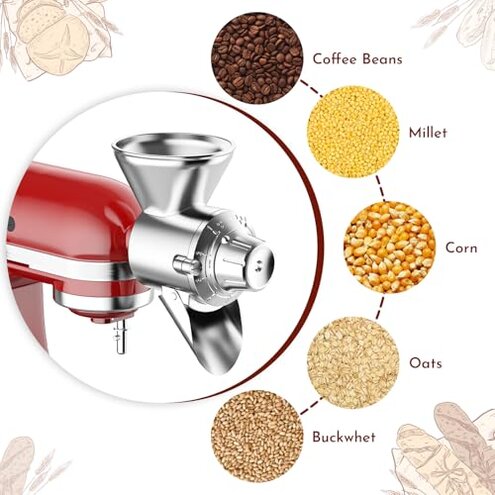
- Expectation: A broad title implies versatility. Reality: Real use is narrower, with stricter limits on moisture and oil than some buyers assume.
Safer alternatives
- Choose clearer limits by looking for a mill with plain ingredient restrictions shown early, not buried in care notes.
- Reduce setup risk by picking an attachment with simpler adjustment steps, especially if this is your first home grain mill.
- Lower cleanup burden by prioritizing models known for easier residue access and less flour spread after use.
- Improve texture odds by shopping for mills with a stronger reputation for fine-flour consistency, not just a wide setting count.
- Avoid duplicate tools by separating needs: buy a dedicated coffee grinder if you also want beans handled reliably.
The bottom line
Main regret trigger: Buyers expecting a simple, flexible add-on often run into hidden operating rules, uneven fineness, and cleanup that takes more effort than expected.
Why it stands out: Those trade-offs go beyond normal category annoyance because they show up in the exact moments people buy this for: quick home milling and easy repeat use.
Verdict: If you want low-fuss flour making, this is a caution buy. It makes more sense only for patient users who will stay within strict dry-grain limits and accept extra cleanup.
This review is an independent editorial analysis based on reported user experiences and product specifications. NegReview.com does not sell products.