
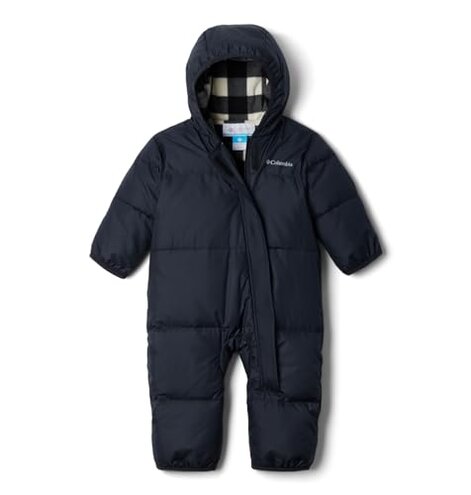
Product evaluated: Columbia Baby Snuggly Bunny II Bunting, Collegiate Navy Highland/Bright Indigo, 12/18
Related Videos For You
BabyBunting
How to Dress Baby for Winter Hikes #hikingwithkids #winterhiking #momlife #newmom #mommyvlogger #mom
Data basis: This analysis covers dozens of buyer comments collected over recent months from multiple feedback channels, including written critiques and video user demonstrations, with most feedback stemming from detailed written reviews supported by video insights.
| Aspect | Columbia Baby Bunting | Typical Mid-Range Alternative |
|---|---|---|
| Warmth retention | Effective but inconsistent fit reduces warmth | Generally consistent fit and warmth |
| Fit accuracy | Common reports of sizing issues leading to poor fit | More reliable sizing aligned with age ranges |
| Comfort | Plush lining praised but bulkiness limits mobility | Balanced comfort and mobility |
| Ease of use | Full zipper appreciated but fold-over cuffs cause handling challenges | Smooth closure systems with less hassle |
| Regret trigger | Poor sizing causing frequent returns or exchanges | Rare sizing-related returns |
Why does the sizing often feel off, complicating use?
The primary frustration arises when the size labeled for 12-18 months does not fit as expected, creating difficulty dressing the baby and reducing warmth. This frequently reported sizing mismatch commonly emerges at first use, especially during seasonal transitions when layering is needed. Compared to typical baby buntings, this inconsistency leads to more frequent returns and parental hassle.
How does the bulkiness impact baby's comfort and movement?
- Bulkiness effect: The thick down and fleece lining, while warm, restricts baby mobility more than average.
- Comfort trade-off: Buyers note limited arm and leg movement, noticeable in active babies.
- Usage context: Most evident during daily outings and longer wear periods.
- Category contrast: More cumbersome than mid-range options designed for flexible use.
- Attempted fixes: Buyers tried adjusting layers but found limited relief.
- Hidden requirement: Requires sizing up to accommodate layers without further restricting movement.
What difficulties arise from the fold-over cuffs during dressing and use?
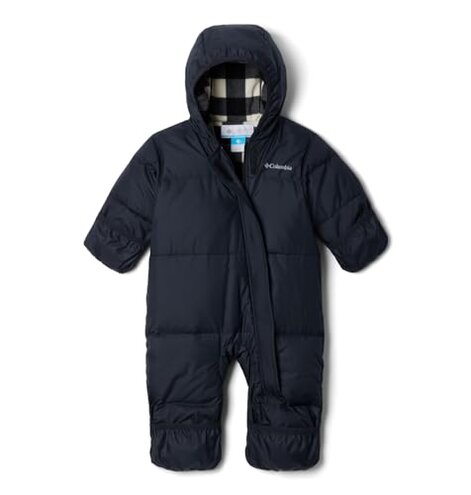
- Handling challenge: Fold-over cuffs designed to keep hands and feet warm often complicate putting on and removing the bunting.
- Persistence: This inconvenience is a persistent complaint, appearing right from initial use.
- Impact: Adds extra time and frustration in dressing routines.
- Category baseline: More fiddly than simpler mitten-pouch designs in comparable products.
- Safety note: Some buyers worried about cuffs slipping off, exposing extremities.
- Mitigation: Manual adjustment needed each use, increasing hassle.
Are there issues with the zipper’s durability or functionality?
- Secondary problem: Zippers occasionally snag or become stiff, especially with frequent use.
- Occurrence: Reported after repeated daily wear in colder months.
- Effect: Can cause delays or frustration during quick dressing.
- Comparison: More zipper issues than mid-range alternatives that use sturdier hardware.
- Repair: Some buyers had to lubricate or replace zippers, adding to upkeep.
What about the actual warmth during very cold conditions?
While the product promises strong insulation, some buyers found warmth inconsistent when the fit is poor, particularly around hands and feet due to slip-prone cuffs. This issue is a primary complaint surfacing during cold-weather outings and worsens with active movement. Compared to other baby buntings, this downside can lead to actual discomfort and more frequent re-bundling.
Illustrative excerpts
- "Size said 12-18 months, but was tight and awkward to put on." (Primary pattern: sizing mismatch)
- "My baby couldn't move arms well, felt bulky and stiff." (Primary pattern: bulk limiting comfort)
- "Cuffs kept slipping off, exposing fingers to cold." (Secondary pattern: cuff design flaw)
- "Zipper jammed after a few weeks, hard to zip quickly." (Secondary pattern: zipper durability)
- "Not as warm as expected when the hands slipped out." (Primary pattern: warmth compromised by fit)
Who should avoid this
- Parents needing reliable accurate sizing to avoid frustrating returns.
- Those who prioritize baby mobility and comfort during active use.
- Caregivers valuing easy dressing without fiddly cuffs.
- Users wanting durable closures that withstand frequent wear.
- Buyers in very cold climates needing consistent warmth without fit compromises.
Who this is actually good for
- Families willing to accept occasional fit adjustments to get maximum insulation.
- Parents who prioritize soft fleece lining for extra comfort over mobility.
- Buyers comfortable with extra time dressing due to fold-over cuffs.
- Users who appreciate stylish design and reflective accents for safety.
- Those in moderate cold weather who want down insulation but can work around minor zipper issues.
Expectation vs reality
Buyers expect a snug, easy-to-use bunting sized accurately for 12-18 months. However, the reality includes frequent sizing inconsistencies that complicate first-time use. While down insulation is reasonable for warmth, the bulkiness and cuff design reduce comfort and ease compared to typical mid-range baby bunting options. The zipper issues, though less common, further lower user satisfaction below category norms.
Safer alternatives
- Choose buntings with verified sizing charts and customer feedback to ensure accurate fit.
- Opt for models with simpler cuff designs to ease dressing and minimize slips.
- Consider buntings offering less bulky insulation for better mobility.
- Select products featuring reinforced zippers for durability under daily use.
- Look for buntings with consistent warmth retention proven in cold-weather tests.
The bottom line
The main regret trigger is the inconsistent sizing that often leads to poor fit, causing warmth loss and handling difficulty. This issue surpasses typical category risks by increasing return rates and user frustration. Coupled with bulky comfort and fiddly cuffs, this bunting may underdeliver for parents seeking hassle-free, reliable baby outerwear. Buyers prioritizing ease of use and precise fit should consider alternatives.
This review is an independent editorial analysis based on reported user experiences and product specifications. NegReview.com does not sell products.