
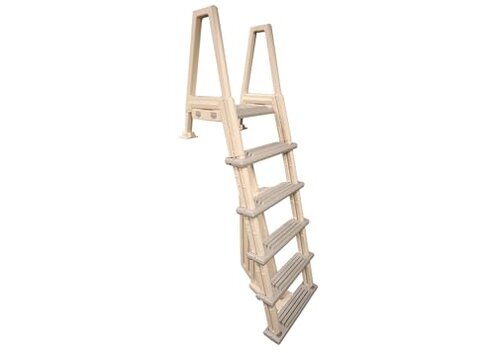
Product evaluated: Confer Plastics 6000X Heavy Duty Above Ground in-Pool Swimming Ladder for Decks Adjustable from 42IN to 56IN HIGH
Related Videos For You
How to put together an above ground pool ladder
Above Ground Pool Ladder Safety
Data basis Dozens of written reviews, buyer photos, Q&A threads, and several video demonstrations were read for this report, collected between 2018 and 2025; most feedback came from written reviews supported by video tests.
| Outcome | Confer 6000X | Typical mid-range ladder |
|---|---|---|
| Stability | Higher wobble reported during first use and under repeated side loads. | More stable designs usually use wider bases or fixed deck mounts. |
| Assembly | Tool-heavy setup and alignment often require extra adjustments after initial install. | Quicker assembly models use clearer instructions and fewer on-deck fittings. |
| Hidden needs | Extra prep (sand or extension kit) required for taller pools, raising cost and time. | Less hidden options include universal extensions or included ballast alternatives. |
| Durability | Step wear and alignment problems appear more disruptive with frequent daily use. | More forgiving mid-range ladders often have reinforced treads and thicker rails. |
| Regret trigger | Higher risk of regret when you expect plug-and-play stability for regular family use. | Lower risk for buyers prioritizing out-of-box stability. |
Top failures
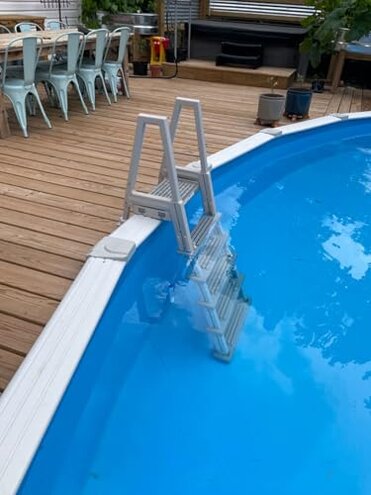
Why does the ladder feel unstable when people use it?
Regret moment You step on and notice side-to-side wobble, especially when entering from the side rails.
Severity This is a primary pattern that appears during first use and after repeated use when the ladder is under side loads.
Category contrast Worse than typical mid-range ladders because the wobble often requires re-torquing or added attachments to restore confidence.
Why is assembly harder than advertised?
- Early sign Loose-fitting parts and alignment checks during first assembly commonly require extra time.
- Frequency tier This is a primary complaint and appears repeatedly in buyer reports.
- Cause Multiple small adjustments and tool use are needed for deck mounting and tread alignment.
- Impact Adds extra setup time and frustration compared with simpler mid-range options.
- Fixability Some buyers solved it with shims, extra bolts, or re-drilling, adding cost or effort.
Why does the product require hidden extras for taller pools?
- Hidden requirement Pools taller than 48 inches commonly require 10 pounds of sand for ballast.
- Pattern This is a persistent secondary pattern noted by buyers during setup for taller decks.
- When it shows The need appears during installation when you measure deck height and test stability.
- Worse-than-normal Many mid-range ladders include clearer ballast or extension options; this one pushes buyers to buy extra items.
- Cost impact Adds unexpected purchases and more setup steps, creating regret for first-time installers.
- Attempted fixes Some buyers used heavy anchors or bought the separate extension kit, increasing total spend.
Why do steps and fittings show wear or alignment issues over time?
- Early sign Treads can loosen or sit unevenly after months of frequent use.
- Frequency tier This is a secondary but persistent issue reported after repeated summer use.
- Cause Repeated weight cycles and lateral forces on narrow bases stress connections more than expected.
- Impact The ladder becomes noisier and feels less secure during extended family sessions.
- Repair attempts Buyers tightened fasteners or added washers, but some said wear recurred within a season.
- Category contrast More upkeep than most mid-range alternatives that use thicker treads or broader footings.
- Hidden effort Requires periodic maintenance to maintain safe feel, which some owners did not expect.
Illustrative excerpts
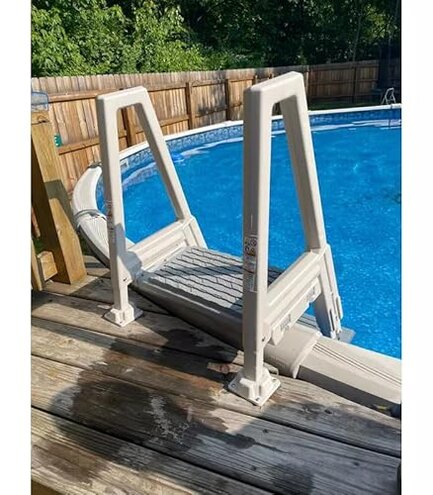
Illustrative: "Step wobbles when my child climbs in, had to retorque bolts immediately." — primary pattern.
Illustrative: "Needed sand and extra parts for our taller pool deck, unexpected cost." — secondary pattern.
Illustrative: "Treads loosened after heavy weekend use, had to add washers." — secondary pattern.
Who should avoid this
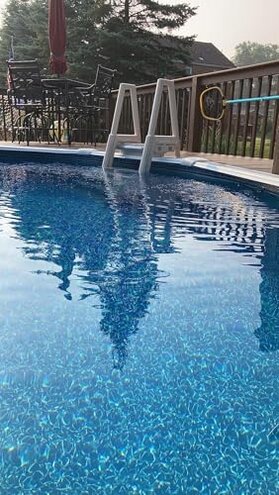
- Families needing out-of-box stability Avoid if you expect immediate, wobble-free use for frequent swimmers.
- Buyers who dislike extra setup Avoid if you cannot accept added steps like ballast or separate extension purchases.
- Low-maintenance seekers Avoid if you want a ladder that needs no seasonal tightening or small repairs.
Who this is actually good for
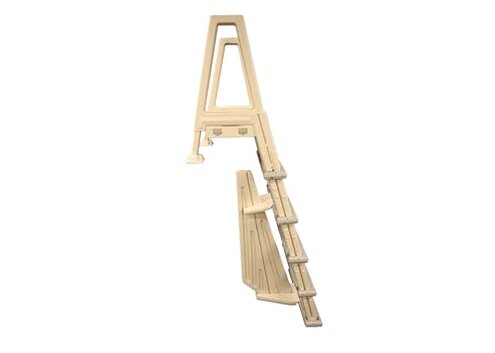
- Handy installers Good for buyers comfortable with tools who can tune alignment and add shims.
- Budget-conscious owners Good for buyers willing to accept extra setup instead of paying more upfront for premium models.
- Smaller household use Good if use is occasional and you can check fasteners periodically.
Expectation vs reality
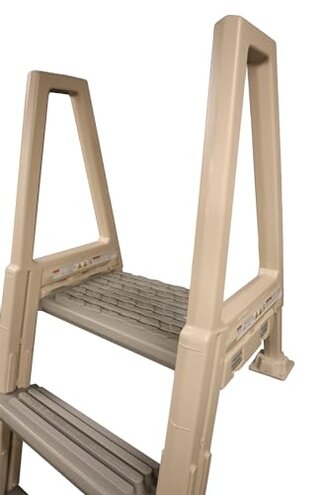
Expectation Reasonable for this category: adjustable ladders often need a bit of fitting to different deck heights.
Reality This ladder demands more alignment, hidden ballast, and periodic tightening than most mid-range options, raising regret for regular users.
Safer alternatives
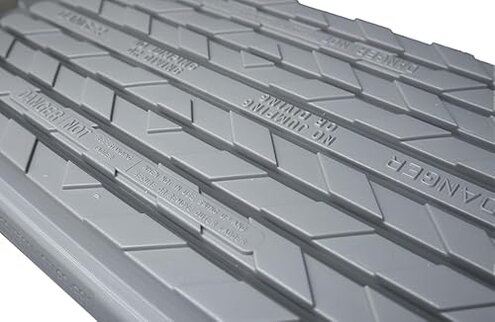
- Prefer fixed stability Look for ladders with wider base plates or integrated deck mounts to reduce wobble.
- Lower setup effort Choose models that advertise tool-free or minimal-tool assembly to avoid alignment headaches.
- Clear ballast options Pick ladders that include ballast or universal extension kits in the box to avoid hidden buys.
- Durability focus Seek ladders with thicker treads or reinforced rails if you expect heavy daily family use.
The bottom line
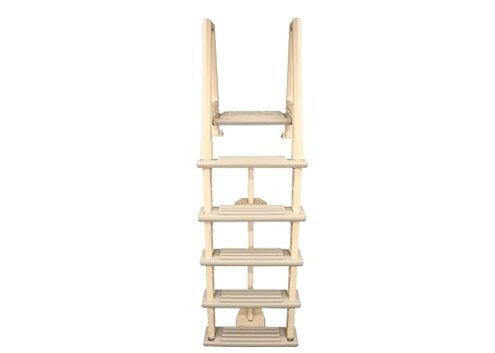
Main regret Buyers commonly face wobble, added setup steps, and periodic maintenance.
Why worse These problems exceed normal mid-range risk because they add cost and time after purchase.
Verdict Avoid this ladder if you need out-of-box stability and low maintenance; consider sturdier mid-range alternatives instead.
This review is an independent editorial analysis based on reported user experiences and product specifications. NegReview.com does not sell products.