
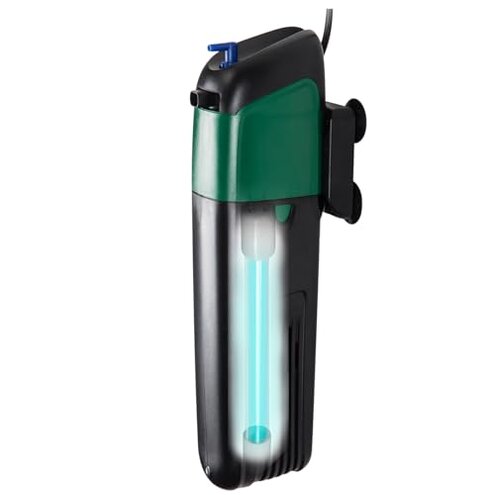
Product evaluated: COODIA Internal Green Water Killer Aquarium Filter Tank U-V Pump
Related Videos For You
Aqueon | QuietFlow - Power Filter: Set Up Instructions
Clean Your DISGUSTING Aquarium Filter, When, How And Why
Data basis Dozens of written reviews and video demonstrations were reviewed between Jan 2019 and Jan 2026, with most feedback coming from written customer posts and product videos.
| Outcome | COODIA unit | Typical mid-range filter |
|---|---|---|
| Noise | High — several reports of loud pump noise during regular use. | Moderate — most mid-range pumps run noticeably quieter. |
| Green-water clearing | Inconsistent — many users saw little change within the promised window. | Reliable — comparable units more consistently clear water in days. |
| Maintenance burden | High — recurring clogs and frequent clean steps were reported. | Lower — mid-range units generally need simpler, less-frequent upkeep. |
| Durability | Higher risk — electrical or pump failure appears more common than expected. | Typical — similar products usually show longer first-year reliability. |
| Regret trigger | Pump failure or no UV effect after setup causes replacement or return. | Less likely — mid-range buyers report fewer early failures. |
Why is the pump so noisy or failing?
Regret moment You notice loud humming or the pump stops after first weeks of use.
Severity This is among the most common complaints and is more disruptive than expected for this category.
When it appears The issue shows up during first use or after a few days of operation and worsens with continuous running.
Category contrast This feels worse than normal because mid-range internal filters usually run quietly and last months before mechanical issues appear.
Does it actually clear green water as promised?
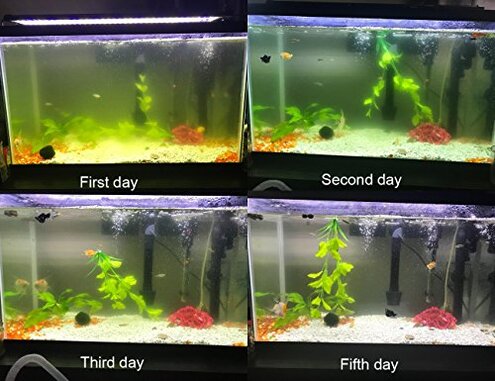
- Pattern The claimed rapid clearing often appears repeatedly as ineffective for many buyers.
- Usage Failure is most visible in the first week after setup when buyers expect visible improvement.
- Early sign Little to no change in water color after 3–7 days signals a primary problem.
- Frequency tier This is a primary issue, reported more often than other cosmetic complaints.
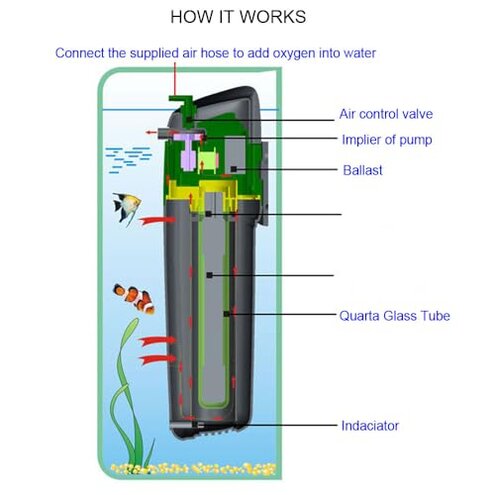
- Cause Likely underpowered UV action or flow issues that reduce contact time with water.
Why is maintenance harder than expected?
- Pattern Clogging and repeated cleaning appear across many user reports.
- Hidden requirement The unit often needs more frequent disassembly than buyers expect for a mid-range filter.
- Impact This increases time and effort for those who handle daily tank care.
- Attempts Users tried extra rinses and repositioning, which gave only partial improvement.
- Fixability Repair or replacement typically requires buying parts or returning the unit.
- Category contrast This is more upkeep than most mid-range alternatives, which need less frequent internal cleaning.
Are electrical or durability issues common?
- Pattern Electrical fault, motor burnout, and sudden stoppage are persistent but not universal.
- When Problems usually appear after repeated use or continuous multi-day operation.
- Scope Seen across multiple buyer reports and video checks, indicating a real reliability signal.
- Impact Sudden failure can leave you without circulation and harm aquarium life if you don't notice quickly.
- Attempts Some buyers replaced the unit or contacted sellers; fixes were often temporary.
- Cost Early replacement raises overall ownership cost above category expectations.
- Category contrast This durability risk is higher than typical mid-range filter products, which usually tolerate continuous operation better.
Illustrative excerpts
Excerpt: "Pump started rattling loudly after two days; stopped working later." — primary pattern
Excerpt: "Water barely cleared in a week despite running constantly." — primary pattern
Excerpt: "Needed disassembly twice a week to stop flow reduction." — secondary pattern
Excerpt: "Workaround required buying a quieter pump module separately." — edge-case pattern
Who should avoid this
- High-noise tolerance Avoid if you need a quiet filter for bedrooms or living spaces; noise complaints are common.
- Reliable green-water clearing Avoid if you expect fast UV clarity out of the box; inconsistency is a primary issue.
- Low-maintenance buyers Avoid if you want minimal upkeep; this model requires more frequent cleaning.
Who this is actually good for
- Budget hobbyists Good for someone willing to tolerate noise and do extra maintenance to save money.
- DIY fixers Good if you accept possible pump replacement or upgrades as a routine mod.
- Small tank experiments Good for temporary setups where short-term performance is acceptable.
Expectation vs reality
Expectation Reasonable for this category: internal filters usually clear minor algae and run quietly.
Reality This unit often delivers noisy operation, inconsistent UV clearing, and higher upkeep than similar mid-range models.
Safer alternatives
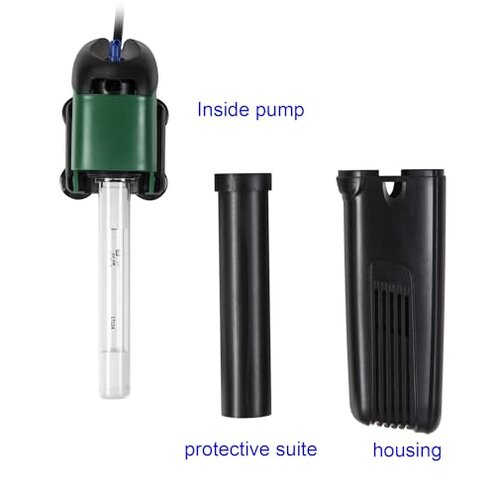
- Choose quieter pumps Look for units explicitly rated for low noise to neutralize the pump-failure/noise problem.
- Check proven UV claims Prefer products with clear, third-party clarity evidence to avoid weak green-water performance.
- Prioritize easy service Buy filters with user-replaceable parts to reduce the maintenance burden.
- Warranty and support Favor sellers offering clear replacement or refund policies to reduce durability risk.
The bottom line
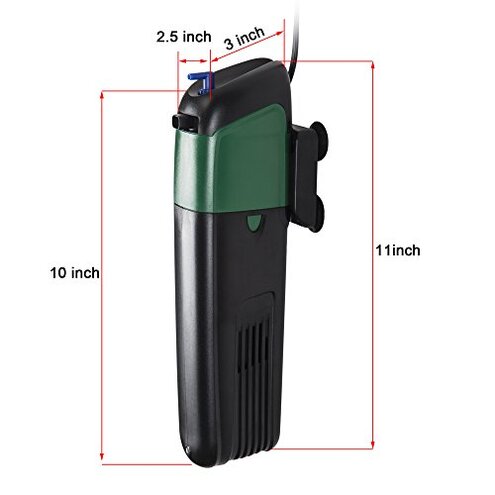
Main regret The primary trigger is pump noise/failure and inconsistent green-water clearing shortly after setup.
Why it matters These failures exceed normal category risk because they increase upkeep and replacement cost quickly.
Verdict Avoid this unit if you need quiet, reliable UV clarity, or low maintenance; buy only if you accept higher risk and hands-on fixes.
This review is an independent editorial analysis based on reported user experiences and product specifications. NegReview.com does not sell products.