
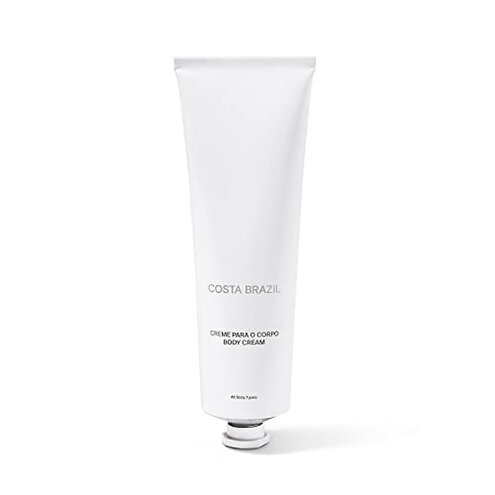
Product evaluated: Costa Brazil | Body Cream - Nutrient Rich Hydrating Lotion - Brazilian Seed Oils & Vitamins - Sustainable & Vegan Ingredients - 1ct, 4.73 oz.
Related Videos For You
Cerave Moisturizing cream Vs lotion 🧚🏻♀️✨🦋
VASELINE INTENSIVE CARE ADVANCED REPAIR UNSCENTED BODY LOTION REVIEW & TESTING FOR VERY DRY SKIN
Data basis: This report pulls from dozens of buyer comments gathered between 2023 and 2026. Most feedback came from written reviews, with added context from photo and video impressions, so the clearest patterns reflect day-to-day use more than one-time first impressions.
| Buyer outcome | Costa Brazil | Typical mid-range body cream |
|---|---|---|
| Moisture payoff | Mixed for the price, with softer skin expected but not always felt as special during daily use. | Usually solid, with fewer luxury expectations attached. |
| Scent tolerance | Higher risk if you expect a neutral feel, because no added fragrance does not guarantee no noticeable natural smell. | More predictable, usually either clearly scented or clearly unscented. |
| Texture comfort | Less forgiving if you dislike rich creams that can feel heavy until fully rubbed in. | Easier to spread quickly before getting dressed. |
| Value tension | Above normal risk because the premium price raises disappointment when results feel merely good, not exceptional. | Lower risk since expectations are more modest. |
| Regret trigger | Paying luxury money and getting an experience that can feel too ordinary or too picky. | Settling for basic, but with less financial sting. |
Why does it feel too expensive for what you get?
Primary issue: The strongest regret pattern is not total failure. It is paying a very high price, then feeling the daily result is only moderately better than a normal body cream.
During daily use, this hits hardest after the first few applications, when the novelty fades and buyers judge whether softness and comfort match the cost. That gap feels more disruptive than expected for this category because body cream is easy to compare against cheaper staples.
Recurring pattern: This concern appears repeatedly in buyer feedback, even when people say the cream is decent. The problem is the trade-off: acceptable hydration alone does not erase premium-price regret.
Category contrast: Many mid-range creams can deliver “good enough” moisture. This one asks buyers to pay far beyond that baseline, so anything short of impressive becomes harder to excuse.
Does the texture get annoying when you use it every day?
- Pattern: A secondary complaint is a rich feel that is not universal, but persistent among buyers who prefer quick-absorbing lotions.
- When it shows up: It tends to matter most right after showering or before dressing, when you want fast spread and fast dry-down.
- Severity: This is less common than the price complaint, but more frustrating when it interrupts a rushed routine.
- Early sign: If you notice you need extra rubbing to avoid a coated feeling, this issue may keep bothering you.
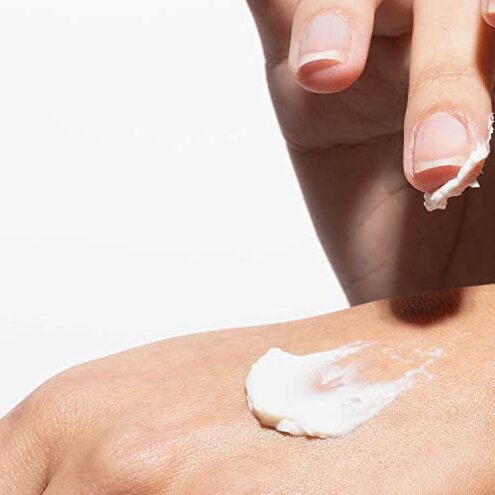
- Impact: The cream can feel heavier than expected for a daily body product, especially in warm weather or on already-normal skin.
- Attempts: Using less can reduce the heavy feel, but that also makes the premium jar disappear faster in terms of value.
- Fixability: It is partly manageable, not fully fixable, because the richer style is built into the user experience.
Is the no-fragrance promise more complicated than it sounds?
- Hidden requirement: Some buyers expect “no added fragrance” to mean completely neutral, but that does not always match the real smell experience.
- Pattern: This appears as a recurring but not universal complaint, especially among people sensitive to earthy or natural product scents.
- When it happens: It shows up on first use, then becomes more noticeable during repeated use if you apply it to larger areas.
- Why it stings: In this price tier, buyers usually expect fewer sensory surprises, not more.
- Category contrast: Typical unscented body creams are often chosen for predictability. This can feel less predictable than that baseline.
- Real-world impact: If you are scent-picky, even a mild natural smell can make an expensive cream feel like the wrong fit fast.
- Best-case mitigation: Testing a small amount first helps, but that is hard when the product is sold as a full-size luxury purchase.
What if the results are good, but not special enough?
- Primary pattern: A common frustration is that the cream can perform adequately without delivering the “noticeably better” payoff buyers expect at this price.
- Usage moment: This usually becomes clear after repeated use, once skin feels moisturized but not dramatically changed in a way buyers can easily see.
- Intensity cue: This is among the most common complaints because it turns a normal outcome into a luxury disappointment.
- Buyer trade-off: You may get hydration, but still question whether brightness, firmness, or texture gains feel obvious enough to justify repurchase.
- Scope: The pattern shows up across mixed feedback types, not just one kind of buyer reaction.
- Why worse than normal: In a mid-range cream, “pretty good” is often acceptable. Here, “pretty good” feels underwhelming because the financial commitment is much higher.
- Fixability: There is no easy fix if your skin responds only modestly, because using more adds cost rather than certainty.
- Regret point: The product does not need to be bad to feel like a miss. It only needs to feel less impressive than the premium story suggests.
Illustrative buyer phrasing
- Illustrative: “Nice cream, but I kept waiting for the wow factor.” — Primary pattern
- Illustrative: “It moisturizes fine, just not enough for that price.” — Primary pattern
- Illustrative: “Too rich for mornings when I need to get dressed fast.” — Secondary pattern
- Illustrative: “Unscented was not the same as odorless to me.” — Secondary pattern
- Illustrative: “I liked it, but I would not buy it again.” — Primary pattern
Who should avoid this
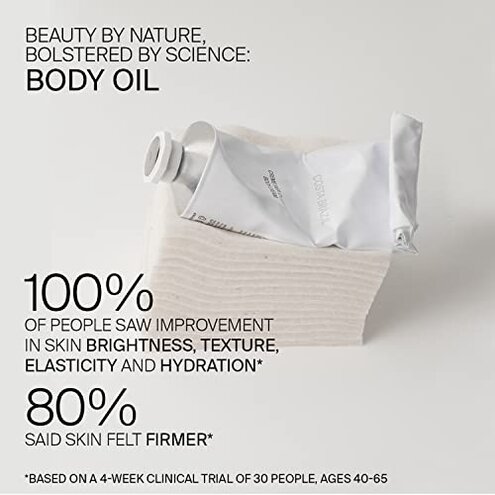
- Budget-focused shoppers should skip it, because the main risk is paying luxury money for results that may feel only moderately better than standard options.
- Texture-sensitive users should be careful if heavy creams annoy you before clothes go on.
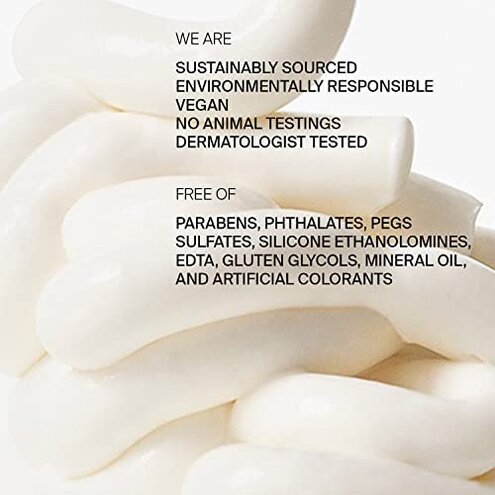
- Scent-sensitive buyers should avoid blind buying, because no added fragrance can still mean a noticeable natural smell during use.
- Results-driven shoppers seeking obvious visible change may be disappointed if their skin just responds in a normal, not standout, way.
Who this is actually good for
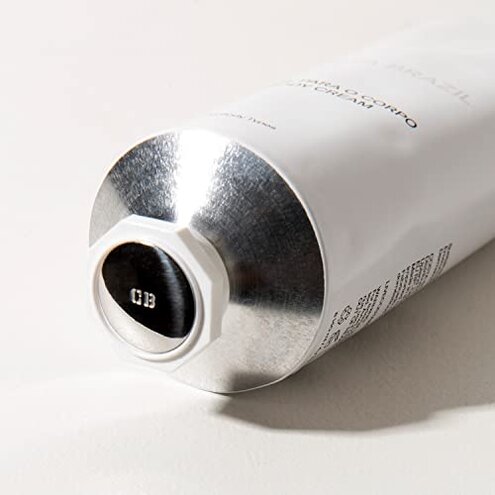
- Luxury-leaning buyers who care more about brand story and ritual than strict value may tolerate the price gap better.
- Dry-skin users who prefer richer creams may accept the heavier feel because they want that cushioned finish.
- Ingredient-focused shoppers may be comfortable with some scent unpredictability if they prioritize the product philosophy over a perfectly neutral experience.
- Low-rotation users who treat body cream as an occasional indulgence may feel less regret than someone using it every day.
Expectation vs reality
Expectation: A premium body cream should feel clearly better than a reasonable mid-range option.
Reality: The most persistent complaint is that the difference can feel smaller than the price jump.
Expectation: “No added fragrance” should be easy for scent-sensitive users to trust.
Reality: A noticeable natural smell can still be a real issue during application and wear.
Reasonable for this category: A daily body cream should fit smoothly into rushed routines.
Reality: This can feel heavier and slower than expected, which adds friction beyond the normal category baseline.
Safer alternatives
- Set a price ceiling: If value regret is your main risk, compare premium creams only against mid-range options you already know work well.
- Choose true unscented: If scent is a deal-breaker, look for products described by buyers as neutral in real use, not just fragrance-free on paper.
- Pick lighter textures: If you moisturize before dressing, favor lotions known for quick absorption over rich cream formats.
- Test before committing: If possible, start with a mini, sample, or retailer with easy returns to reduce the hidden risk of texture and scent mismatch.
The bottom line
Main regret trigger: This product’s biggest risk is not that it fails completely. It is that the experience can feel too ordinary, too heavy, or too sensorily specific for such a high price.
Why avoid: That makes the category risk higher than normal, because cheaper body creams often disappoint less when they perform similarly. If you are not already comfortable with luxury skincare trade-offs, this is a product to approach cautiously or skip.
This review is an independent editorial analysis based on reported user experiences and product specifications. NegReview.com does not sell products.