
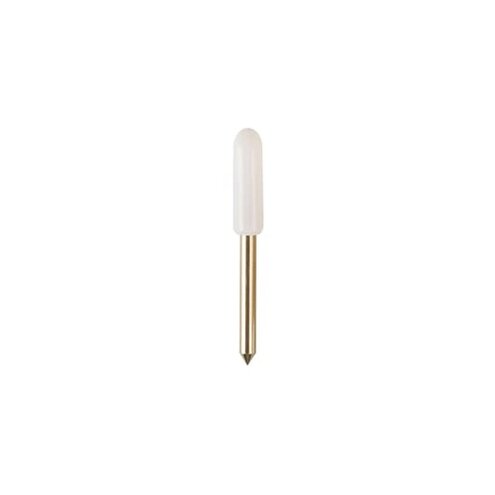
Product evaluated: Cricut Premium Fine-Point Replacement Blade, Cutting Blade with Improved Design, Cuts Light to Mid-Weight Materials, For Personalized Crafts, Compatible with Cricut Maker & Explore Machines, 5 Count
Related Videos For You
Cricut - How to change your Cricut Fine Point Blade
Best Metal Cutting Blade? “Dry Cut” vs “Abrasive” vs “Diamond" Blade. Diablo, DeWalt, Makita
Data basis This report draws from dozens of buyer comments gathered from written feedback and video-style demonstrations collected across recent years through the present. Most feedback came from written reviews, with smaller support from hands-on clips and Q&A style discussions, which helps show both first-use problems and repeat-use frustration.
| Buyer outcome | This blade pack | Typical mid-range alternative |
|---|---|---|
| First-use confidence | Mixed because fit and cut quality can feel less predictable when replacing an older blade. | Usually steadier if the replacement process is simple and clearly matched. |
| Cut consistency | Primary risk is uneven cuts during daily crafting, especially across different light materials. | More forgiving for normal paper and vinyl jobs. |
| Upkeep burden | Higher-than-normal category risk because frequent checking, test cuts, and swapping add extra time. | Moderate upkeep is still expected, but usually with less trial and error. |
| Value over time | Less secure if blades dull faster than expected for repeated projects. | More predictable wear for a mid-range replacement pack. |
| Regret trigger | Wasting materials after a blade change is the main avoid signal. | Minor tuning is normal, but ruined cuts happen less often. |
Why did my cuts get worse right after replacing the blade?
This is among the most common complaints because the regret shows up at the exact moment buyers expect an easy fix. During first use or the first few projects, repeated reports describe cuts that do not feel as clean or reliable as expected.
The trade-off is that this pack promises convenience, but some buyers end up doing test cuts and rechecking settings before trusting it. Compared with a typical mid-range replacement blade, that extra setup friction feels worse than normal for such a basic swap.
- Pattern This issue appears repeatedly rather than as a one-off complaint.
- When It often shows up right after replacement, especially when moving from an older blade that had predictable behavior.
- What buyers notice The machine may miss small details, drag slightly, or leave parts not fully cut through.
- Impact The real frustration is material waste because paper, vinyl, or iron-on can be ruined before settings are corrected.
- Fixability Some buyers improve results with test cuts, but that adds time and does not fully remove the risk.
Why does blade life feel shorter than expected?
- Frequency tier Primary issue complaints focus on dulling sooner than buyers expected during repeated crafting sessions.
- Usage moment It becomes clearer after repeated use, especially when switching among cardstock, vinyl, and other light to mid-weight materials.
- Severity This is more disruptive than expected for this category because replacement blades are bought to restore reliable cuts, not create another maintenance cycle.
- Buyer impact The short-feeling life can turn a 5-count pack into weaker value if too many blades are used for routine projects.
- Early signs Buyers commonly notice more tearing, incomplete corners, or needing extra pressure sooner than expected.
- Hidden cost The problem is not just blade wear but extra troubleshooting each time cut quality starts slipping.
- Category contrast All blades wear down, but this feels less forgiving than many mid-range alternatives because the drop in performance can arrive before buyers feel they got normal use.
Did I miss a requirement to make this work properly?
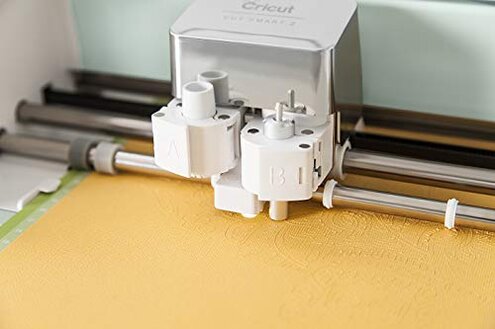
- Hidden requirement A persistent frustration is that the blade works only with separate housing, which can catch replacement buyers off guard.
- When it hits This problem appears during setup if someone assumes the pack is ready to use by itself.
- Frequency tier It is a secondary issue, but more frustrating when it happens because it blocks use completely.
- Buyer impact The result is project delay, not a minor inconvenience, since crafting stops until the right holder is confirmed.
- Why it feels worse In this category, buyers reasonably expect replacement parts to be clearer to match at a glance.
- Attempted workaround Some buyers try swapping from existing parts, but that only helps if they already have compatible hardware.
- Avoid signal If your machine setup is already confusing, this product adds one more compatibility step than many shoppers want.
Why does performance swing so much between materials?
- Pattern This is a persistent but not universal complaint that shows up across mixed-material crafting.
- When It tends to appear during daily use when buyers switch from simple vinyl jobs to cardstock or lightweight fabric tasks.
- What changes The blade can feel fine on one material and disappointing on the next, even within its stated light to mid-weight use.
- Regret point That inconsistency is more frustrating than simple dulling because buyers lose confidence in whether a project will finish cleanly.
- Why category baseline matters Some adjustment is reasonable for this category, but needing frequent retesting across normal materials feels worse than expected.
- Practical effect Crafters doing varied projects may spend extra setup time changing settings instead of actually making things.
Illustrative excerpt: “New blade, same settings, and now my corners are tearing.” Primary pattern reflecting first-use cut inconsistency.
Illustrative excerpt: “It worked at first, then got dull faster than I planned.” Primary pattern reflecting shorter-feeling blade life.
Illustrative excerpt: “I did not realize I still needed the holder part.” Secondary pattern reflecting the hidden setup requirement.
Illustrative excerpt: “Vinyl was okay, but cardstock suddenly needed more trial cuts.” Secondary pattern reflecting material-to-material inconsistency.
Who should avoid this
- Avoid this if you want a replacement that works with minimal tuning right away.
- Avoid this if wasted paper, vinyl, or iron-on would bother you more than usual because test-cut risk appears repeatedly.
- Avoid this if you change materials often in one session because consistency swings can add extra steps.
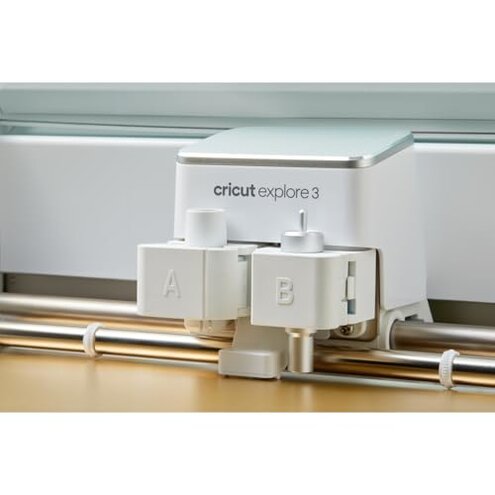
- Avoid this if you are unsure about your existing setup, since the housing requirement creates an easy compatibility mistake.
Who this is actually good for

- Good fit for experienced Cricut users who already own the right housing and are comfortable doing test cuts.
- Good fit for light crafters using mostly one material, where less switching reduces inconsistency headaches.
- Good fit for buyers who accept blades as a frequent wear item and can tolerate shorter usable life without feeling burned.
- Good fit if convenience of staying within the same brand matters more than the risk of extra setup checks.
Expectation vs reality
Expectation A replacement blade should restore clean cuts with little effort.
Reality Some buyers hit trial-and-error immediately after installation.
Expectation Reasonable for this category: blades wear down over time.
Reality Here, the complaint is that wear feels sooner and the upkeep feels higher than normal.
Expectation A multi-pack should feel like easy future convenience.
Reality If performance varies, the pack can feel like stored frustration rather than peace of mind.
Expectation Compatibility should be obvious when replacing a common part.
Reality The housing dependency adds a step some buyers do not expect.
Safer alternatives
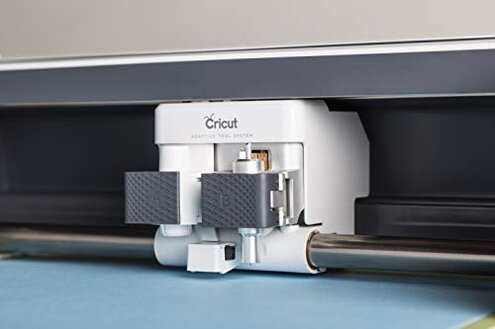
- Choose replacement blades sold in a clearly matched blade-plus-holder format if you want to avoid the hidden housing problem.
- Prioritize options known for steady cardstock and vinyl performance if you regularly switch materials and want less retesting.
- Look for packs with stronger buyer feedback on long-term use if your main concern is faster dulling.
- Buy smaller quantities first if you are testing cut consistency, which limits the regret of committing to a larger pack with mixed results.
The bottom line
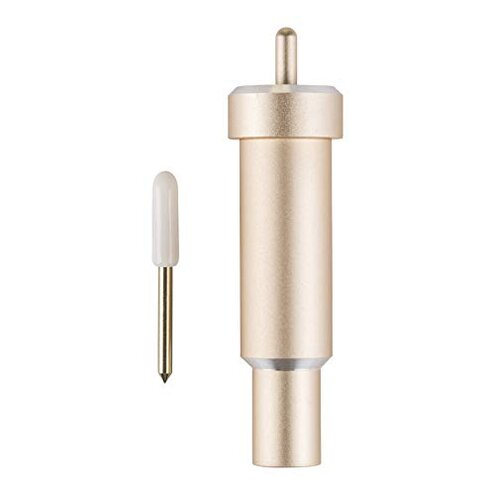
Main regret starts when a fresh blade does not immediately restore clean, predictable cuts and instead creates material waste and extra troubleshooting. That exceeds normal category risk because replacement blades are supposed to reduce effort, not increase it.
Verdict If you want the lowest-friction replacement experience, this is a reasonable product to skip. Safer picks are blades with clearer compatibility and a stronger track record for steady performance across routine materials.
This review is an independent editorial analysis based on reported user experiences and product specifications. NegReview.com does not sell products.