
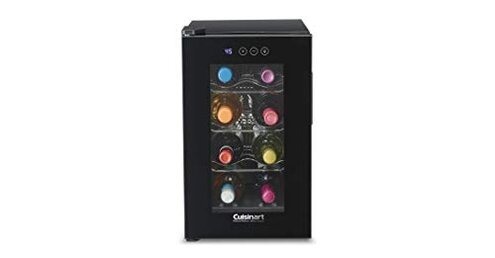
Product evaluated: Cuisinart CWC-800CEN 8-Bottle Private Reserve Wine Cellar
Related Videos For You
✨ WINE FRIDGE - HOW TO OPERATE The Controls ✨
Wine Storage: 5 MISTAKES to AVOID When Storing and Ageing Wine
Data basis: This report draws on dozens of buyer reports and video demonstrations collected between 2020 and 2025, with most feedback from written reviews supported by video demonstrations. The synthesis prioritizes repeated buyer descriptions and hands-on footage to highlight recurring user-visible problems.
| Outcome | Cuisinart 8‑Bottle | Typical mid‑range cooler |
|---|---|---|
| Temperature stability | At risk: commonly reported inconsistent cooling under daily use, worse in warm rooms. | Expected: steadier hold near setpoint for most mid‑range alternatives. |
| Noise & vibration | Noticeable: several buyers report hums or vibration that can unsettle bottles. | Quieter: many mid‑range models use designs with lower operational vibration. |
| Controls | Unreliable: touchscreen and display glitches appear in early setup or after repeated use. | More reliable: typical mid‑range controls are physical or firmer touch panels. |
| Placement/Ventilation | Hidden need: needs clear airflow and stable surface or performance drops and heat builds. | More forgiving: many competitors allow closer placement to cabinetry without issue. |
| Regret trigger | Primary: inconsistent temperature control causes spoilage risk for sensitive wines. | Lower risk: mid‑range alternatives less likely to cause actual spoilage. |
Top failures
Why won’t the cooler keep a steady temperature?
Regret moment: You notice set temperatures drifting during daily use and bottles feel warmer than expected.
Pattern: This is a primary complaint that appears repeatedly in buyer reports and hands‑on footage.
When it shows: The issue appears during first weeks of ownership and often worsens in warm kitchens or when the door is opened frequently.
Category contrast: Thermoelectric coolers can be less powerful than compressor models, but this unit shows more fluctuation than most mid‑range thermoelectric alternatives, which raises spoilage risk for delicate bottles.
Is the noise or vibration a real problem?
- Early sign: a steady hum or low vibration is often noticed within initial hours of operation.
- Frequency tier: this is a secondary but common issue across buyer notes.
- Cause: thermoelectric operation and internal fan placement increase vibration transfer to counters.
- Impact: vibration can disturb sediment in older wines and annoy quiet rooms.
- Attempts: buyers tried rubber pads or different surfaces to reduce vibration with mixed results.
Why do the touchscreen and display fail?
- Pattern: touchscreen unresponsiveness and display glitches are a persistent secondary complaint.
- When: problems crop up at setup or after weeks of daily use.
- Frequency tier: less frequent than temperature issues but more disruptive when it happens.
- Cause: reported as firmware or sensor calibration faults in buyer descriptions.
- Impact: inability to set or read temperature defeats the product’s main purpose.
- Fixability: soft resets sometimes help, but several buyers describe repeated returns or replacements.
- Hidden cost: time spent troubleshooting and possible return shipping adds effort beyond normal expectations.
Does placement or ventilation matter more than I expected?
- Hidden requirement: this model needs clear rear and top airflow or it runs hotter and louder.
- When it shows: performance drops after extended use when placed inside tight cabinetry or against walls.
- Frequency tier: an edge‑case for some buyers but a repeated source of failure reports.
- Early signs: warm exterior panels and more frequent fan noise indicate poor ventilation.
- Cause: compact design and lack of robust heat dispersion make it less forgiving of tight placement.
- Impact: overheating shortens lifespan and can trigger warranty claims or returns.
- Attempts: users report adding clearance, moving to open shelving, or using external fans to help.
- Warranty note: a limited 3‑year warranty exists, but buyers still report time and effort dealing with exchanges.
Illustrative excerpts
Illustrative: "Feels warm at the set temperature, not reliable for whites." — primary pattern
Illustrative: "Low hum and vibration on my counter made bottles rattle slightly." — secondary pattern
Illustrative: "Unit needed extra clearance behind it or it heated up quickly." — edge‑case pattern
Who should avoid this
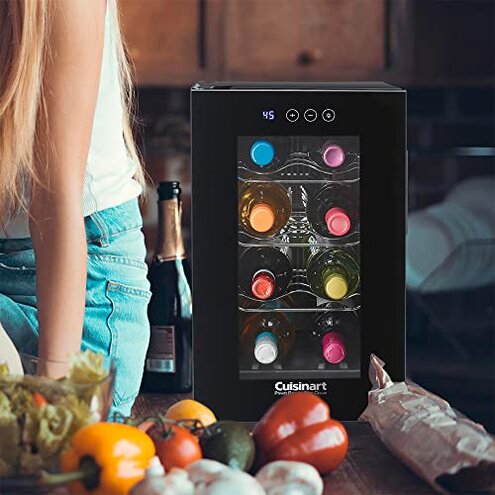
- Buyers needing precise control: avoid if you store delicate whites or rare bottles that need steady temperatures.
- Quiet‑room users: avoid if low operational noise and no vibration are musts for your space.
- Tight‑space installers: avoid if you plan to tuck the unit into cabinetry without extra ventilation.
- Low‑trouble shoppers: avoid if you do not want to spend time troubleshooting or processing returns.
Who this is actually good for
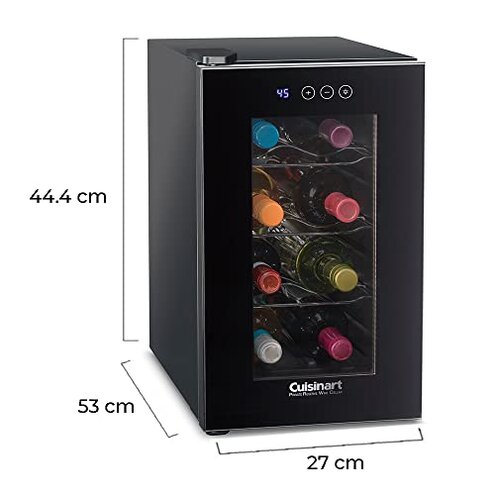
- Casual users: fine for someone storing a few bottles short term who tolerates modest temp swings.
- Budget buyers: ok if you accept lower cooling precision in exchange for a lower price point.
- Portable needs: suitable for controlled spots with good airflow and easy access.
- Non‑precise consumption: good if you drink bottles quickly and do not rely on long‑term aging.
Expectation vs reality
- Expectation: reasonable for this category to offer stable cooling for everyday bottles.
- Reality: this unit shows more temperature drift than expected, raising spoilage risk.
- Expectation: touch controls should be convenient and reliable out of the box.
- Reality: touchscreen glitches make basic setup and checks more time consuming than typical alternatives.
Safer alternatives
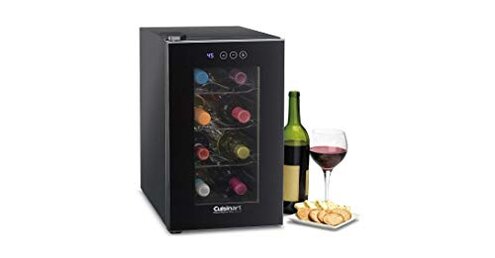
- Choose compressor models: pick a compressor cooler to neutralize the inconsistent cooling failure.
- Prefer physical controls: select a unit with knobs or buttons to avoid touchscreen reliability issues.
- Check ventilation needs: verify clearance requirements to avoid hidden placement problems.
- Read noise reports: look for user notes on vibration if you need a quiet unit.
- Buy with easier returns: choose sellers with straightforward return policies to reduce replacement hassle.
The bottom line
Main regret: inconsistent temperature control is the primary reason buyers report disappointment and returns.
Why worse: the cooling and control issues are more disruptive than expected for mid‑range wine coolers and can risk bottle quality.
Verdict: avoid this model if you need steady, low‑noise storage or minimal setup and troubleshooting.
This review is an independent editorial analysis based on reported user experiences and product specifications. NegReview.com does not sell products.