
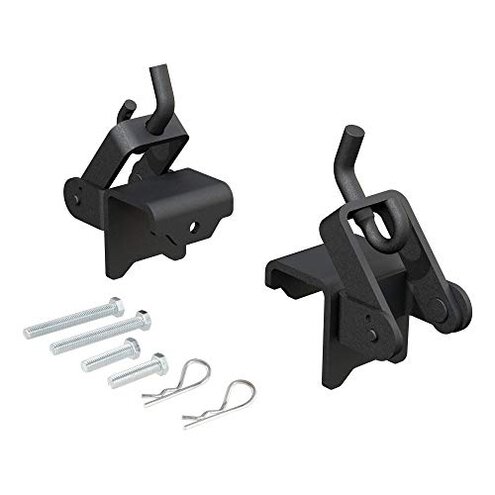
Product evaluated: CURT 17208 Replacement Weight Distribution Hitch Hookup Brackets
Related Videos For You
CURT TruTrack™ 4P Weight Distribution Hitch Installation
How To Set up A Weight Distribution Hitch - CURT
Data basis for this report comes from analyzing dozens of buyer experiences gathered across mixed written feedback and photo/video-supported posts, collected over a multi-year window ending in the last 12 months. Most detail came from step-by-step install stories, supported by shorter durability updates after towing trips.
| Buyer outcome | CURT 17208 brackets | Typical mid-range alternative |
|---|---|---|
| Install predictability | Higher risk of “doesn’t line up” moments during setup | Moderate risk, usually fits with standard adjustments |
| Hardware completeness | More reports of needing extra bolts/pins or replacements | Less frequent add-on trips for missing/mismatched parts |
| Ease of daily hitch-up | Can be finicky if you hitch/unhitch often | More forgiving lever action and positioning |
| Finish wear showing up | More visible scuffs/chips after repeated use | Typical wear, but often less noticeable early |
| Regret trigger | Weekend lost to fitment + extra trips for parts/tools | Usually a single install session with minor tweaks |
Top failures
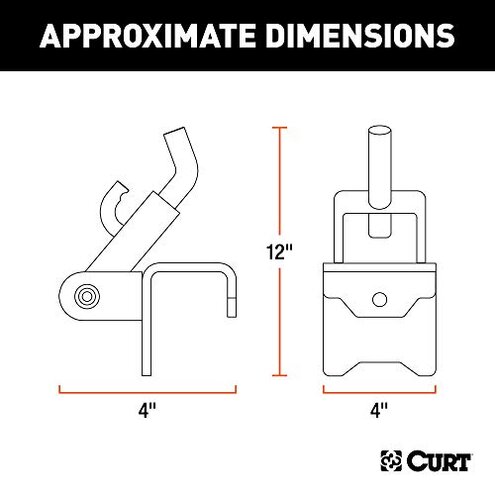
Will these actually fit my trailer, or will I be drilling and guessing?
Fitment surprises are among the most common complaints, and they tend to hit during the first serious install attempt. The regret moment is when the brackets won’t sit where the instructions and your tape measure say they should.
This pattern appears repeatedly, but it is not universal, and it depends on your frame shape and what’s mounted nearby. Compared to most mid-range hookup brackets, buyers describe these as less forgiving when your setup is even slightly non-standard.
- When it shows up: during initial install when positioning the brackets on the frame.
- Worse conditions: tight clearances near tanks, wiring, or other frame-mounted items.
- Primary pattern: alignment feels off even when measured carefully.
- Time cost: adds extra steps like repeated test-fits and re-torquing.
- Category contrast: most mid-range options tolerate small placement errors better, but these can feel pickier.
Why do I have to buy extra bolts or swap parts to make it work?
- Recurring theme: a secondary issue is hardware that feels missing, mismatched, or not ideal for the buyer’s frame.
- When it shows up: right after unboxing, during the first tool-up session.
- Hidden requirement: some setups end up needing extra hardware runs or spares on hand.
- Buyer impact: the project can stall until you source correct-grade replacements.
- Fix attempts: people commonly try different bolts, washers, or pin solutions to reduce slop.
- Fixability: usually solvable, but it adds cost and time that buyers didn’t expect.
- Category contrast: mid-range kits still need tools, but they more often feel complete out of the box.
Does the snap-up action feel harder than it should?
- Primary frustration: the lever-up step can feel stiff or awkward during hitch-up.
- When it shows up: during daily use, especially if you hitch/unhitch often.
- Worse conditions: uneven ground, rushed setups, or high tension that makes the lever step feel more demanding.
- Pattern note: it is persistent across repeated-use comments, but not every user reports it.
- Real-world risk: awkward leverage increases chances of pinched fingers or a sloppy latch attempt.
- Workarounds: buyers commonly change chain link choice or re-check bracket position to reduce effort.
- Category contrast: some mid-range alternatives feel smoother during the same snap-up motion.
- Regret angle: if you expected a quick, repeatable routine, the added fiddling can become the daily annoyance.
Why is the coating looking rough after only a bit of use?
- Commonly noted: finish scuffs and chips show up as a secondary issue after a few hitching cycles.
- When it shows up: after repeated contact with the spring bars and normal handling.
- Worse conditions: frequent towing, road grit, and wet storage can make wear look faster.
- What buyers notice: more visible wear than expected for a part marketed as durable.
- Category contrast: some wear is normal, but buyers describe this as more noticeable earlier than mid-range peers.
- Mitigation: touch-up paint helps, but it adds maintenance to a part many expect to ignore.
Illustrative excerpt: “Everything measured right, but the bracket still wouldn’t sit square.”
Explanation: This reflects a primary fitment pattern that appears repeatedly during setup.
Illustrative excerpt: “Had to pause and run out for different bolts to finish.”
Explanation: This reflects a secondary hardware-completeness pattern that is less universal but persistent.
Illustrative excerpt: “Snap-up works, but it takes more muscle than my old setup.”
Explanation: This reflects a primary daily-use friction pattern that shows up after installation.
Illustrative excerpt: “After a few trips, the black coating looked chewed up.”
Explanation: This reflects a secondary wear pattern that worsens over time.
Who should avoid this
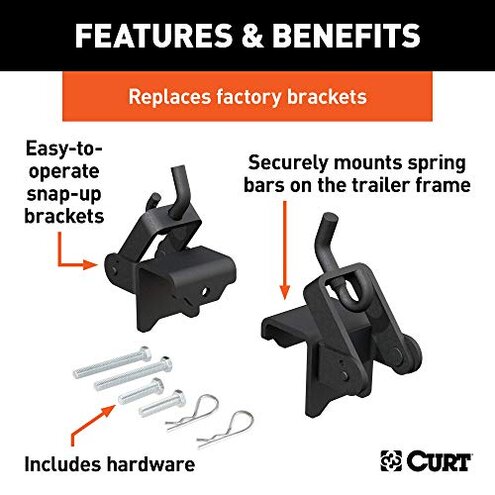
- First-time installers who need a predictable bolt-on experience, because fitment surprises are a primary regret trigger.
- Frequent hitchers who want quick, repeatable hookups, because stiff snap-up complaints show up during daily use.
- Anyone without spare time for extra store runs, because the hardware gap issue can stall installation.
- Buyers sensitive to appearance and rust-prep chores, because early finish wear is a recurring annoyance.
Who this is actually good for
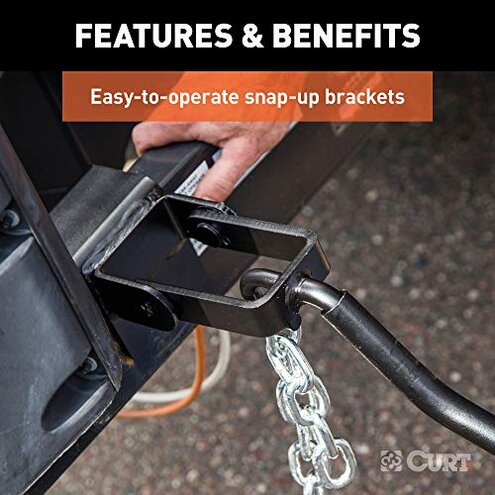
- Experienced DIY owners who already have spare fasteners and tools, and can tolerate the hidden hardware requirement.
- Set-and-forget setups where you won’t hitch often, making the snap-up stiffness less of a daily problem.
- Trailers with clear frames and fewer obstructions, reducing the chance of fitment headaches.
- Function-first buyers who accept touch-ups, since cosmetic wear is more likely than you’d hope.
Expectation vs reality
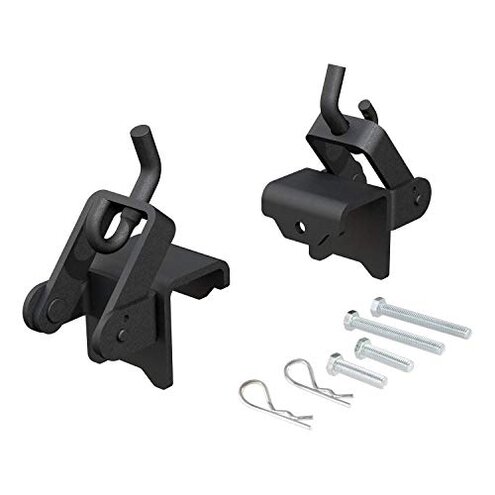
- Expectation: a replacement bracket should install with standard adjustments that are reasonable for this category.
- Reality: feedback repeatedly points to pickier alignment that can turn “standard” into trial-and-error.
| What you expect | What some buyers experience |
|---|---|
| Complete kit so the job finishes in one session | Extra trips for hardware or swapping parts to fit the frame |
| Smooth routine when snapping bars up | More effort and fiddling, especially when conditions aren’t perfect |
| Durable look that stays clean for a while | Early scuffs that show up sooner with repeated handling |
Safer alternatives
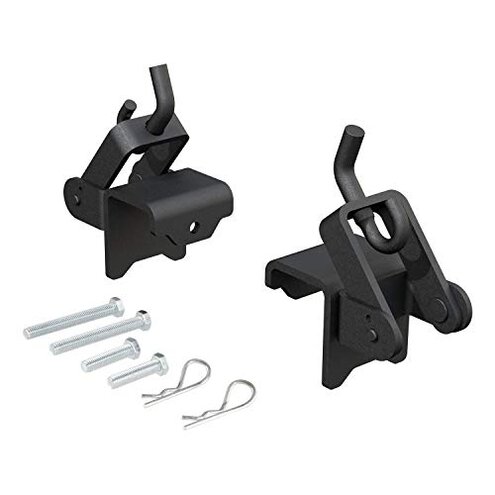
- Choose brands with clearer fit charts and frame guidance to reduce alignment risk during first install.
- Look for kits known for out-of-box completeness, which directly avoids the extra hardware problem.
- Prioritize designs praised for easy lever action to cut down the daily snap-up frustration.
- Read for long-term wear notes and pick options with better real-world finish behavior to limit early scuffing.
The bottom line
Main regret trigger is a fitment-and-finish combo that can turn a “simple replacement” into a time sink. That exceeds normal category risk because the trouble often appears during first install and then lingers as daily hitch-up friction.
Verdict: avoid if you need a predictable bolt-on experience, and consider it only if you can handle extra setup work and occasional part sourcing.
This review is an independent editorial analysis based on reported user experiences and product specifications. NegReview.com does not sell products.