
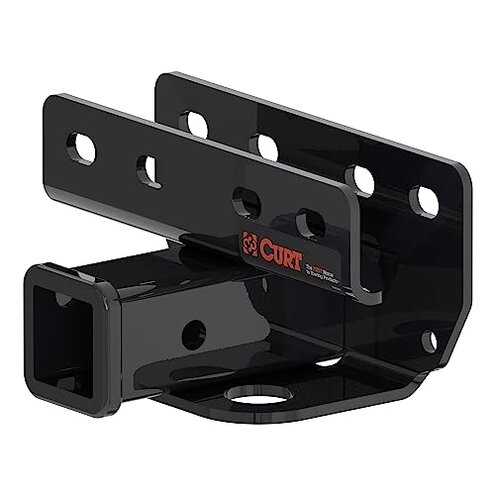
Product evaluated: CURT 13493 Class 3 Trailer Hitch, 2-Inch Receiver, Fits Select Ford Bronco
Related Videos For You
'73 to '97 Ford F Series & Bronco Hitch Installation
How to install a Trailer Tow Hitch Receiver Bar - CURT 13105 Class 3 Toyota Sienna
Data basis for this report comes from analyzing dozens of buyer submissions collected from written reviews and Q&A-style feedback spanning 2023–2026. Most of the usable detail came from longer written install stories, with supporting short posts that focused on fitment and day-one usability. The emphasis here is on repeatable problems that show up across different vehicles, trims, and install approaches.
| Buyer outcome | CURT 13493 | Typical mid-range hitch |
|---|---|---|
| Install smoothness | Higher risk of extra steps and alignment fuss during setup | Moderate risk; usually bolts up with fewer surprises |
| Fit confidence | More variable fit on “select” vehicles than shoppers expect | More predictable when part matching is straightforward |
| Access hassles | More likely to require awkward tool angles or added hardware runs | Less common to need unplanned tool or hardware changes |
| Finish longevity | Category-normal wear risk, but complaints cluster when used in harsh weather | Category-normal wear risk with similar seasonal touch-up needs |
| Regret trigger | “Weekend install” turning into extra trips, extra tools, or rework | Time cost usually lower for the same capability |
Top failures

“Why doesn’t this line up like a ‘custom fit’?”
Regret usually hits mid-install when bolt holes don’t easily line up and the hitch won’t sit where you expect. This is more disruptive than it sounds because it turns a straightforward bolt-on job into repeated loosening, shifting, and re-tightening.
Pattern signals show this is a primary issue that appears repeatedly, though it is not universal. It most often shows up during setup, and gets worse when you’re working solo or without a lift.
Category contrast: some alignment nudging is normal for hitches, but buyers describe this as less forgiving than many mid-range alternatives.
- Early sign: the first couple bolts start, but the remaining holes feel off-center.
- Frequency tier: this is a primary complaint pattern in install-focused feedback.
- Real moment: it shows up when you try to hand-thread bolts and can’t get consistent engagement.
- Worsens when: you’re under the vehicle with limited leverage and the hitch needs two-person positioning.
- Impact: extra time, extra frustration, and a higher chance of cross-thread scares.
- Fixability: some buyers report success by loosely starting all bolts first, then tightening in stages.
- Hidden cost: a “simple install” can require extra tools or a second set of hands.
Illustrative excerpt: “Two bolts went in, then everything felt a half-step off.”
Signal: this reflects a primary alignment pattern that appears repeatedly during setup.
“Why did the install require extra parts or tool runs?”
- Setup surprise: buyers commonly mention unplanned hardware checks and store trips after unpacking.
- Pattern note: this is a secondary issue that shows up persistently in practical install stories.
- When it hits: it happens before first use, when you’re staging bolts, washers, and sockets.
- Worsens when: you have only one vehicle available and the hitch install is mid-disassembly.
- Category contrast: mid-range hitches still sometimes need odd sockets, but this feels more interruptive because the listing reads like a clean, custom fit.
- Impact: the “one afternoon” plan can become multiple sessions due to interruptions.
- Mitigation: buyers recommend a full inventory of hardware and tool sizing before you get the vehicle on stands.
- Hidden requirement: a smoother outcome often assumes access to extra clearance tools and a helper for positioning.
Illustrative excerpt: “I thought I had everything, then I needed another socket size.”
Signal: this reflects a secondary pattern tied to install planning and tool access.
“Why does it sit lower or feel in the way?”
Regret tends to arrive after installation, when you step back and notice the receiver position feels more visible or more in the way than expected. The frustration is often about daily livability, not towing strength.
Pattern notes suggest this is a secondary issue, more common among buyers who are sensitive to appearance, clearance, or accessory positioning. It becomes more noticeable during daily use, like parking, walking behind the vehicle, or setting up a rack.
Category contrast: all hitches add some rear hardware, but buyers describe this as more noticeable than expected for a “custom” option.
- What you notice: the receiver looks prominent from certain angles after install.
- When it shows: it’s most obvious when you’re loading gear or checking clearance in a driveway.
- Worsens when: you use accessories that need extra space, or you frequently back into tight spots.
- Impact: more “mind it every day” annoyance than a one-time install headache.
- Mitigation: buyers report being happier when they confirm accessory fit and expected position before purchase.
- Fixability: there is limited adjustment once installed, so the main control is expectations and accessory selection.
Illustrative excerpt: “It works, but it sticks out more than I expected.”
Signal: this reflects a secondary usability pattern that shows up after setup.
“Why does the finish look rough sooner than I planned?”
- Wear moment: complaints tend to appear after exposure to rain, road grime, and winter conditions.
- Pattern scope: this is an edge-case issue, but it’s persistent among harsh-environment users.
- What worsens it: frequent towing, gravel roads, and salty spray make chips and surface rust show faster.
- Category contrast: some finish wear is normal, but buyers dislike how quickly it becomes cosmetic maintenance.
- Impact: the hitch can still function, yet you may feel forced into touch-ups to avoid a neglected look.
- Attempts: owners commonly add paint or rust protection sooner than expected for a new hitch.
- Mitigation: cleaning and quick touch-up after the first chips reduces ongoing spread.
- Fixability: manageable if you’re okay doing occasional maintenance, annoying if you are not.
Illustrative excerpt: “After a rough season, the coating didn’t look ‘new’ anymore.”
Signal: this reflects an edge-case pattern concentrated in tougher climates.
Who should avoid this
- First-time installers who need a guaranteed easy bolt-up with minimal alignment effort, because fit fuss is a primary complaint.
- Solo DIY buyers without a helper or lift, since the alignment and positioning can be more awkward during setup.
- People on a tight timeline who can’t tolerate extra tool runs, because install interruptions are a common regret trigger.
- Appearance-sensitive owners who hate visible hardware, since receiver position can feel more noticeable after install.
- Harsh-weather drivers who expect a “set and forget” finish, because some report faster cosmetic wear over time.
Who this is actually good for
- Hands-on DIYers who expect some alignment wrestling and can tolerate the setup effort for the price.
- Owners with a helper who can hold the hitch in place, making the bolt start process less frustrating.
- Utility-focused buyers who care more about towing capability than looks, and can accept a visible receiver.
- Routine maintainers who already touch up underbody parts, since occasional finish care reduces long-term annoyance.
Expectation vs reality
Expectation: “Custom fit” means it bolts up with minimal alignment games.
Reality: install feedback repeatedly describes hole alignment that needs extra positioning and patience.
- Reasonable for this category: you may need a second person for a few minutes.
- Worse than expected: the second person can feel necessary for more of the job when alignment is finicky.
Expectation: you can start and finish in one session with your existing sockets.
Reality: a secondary but persistent theme is extra steps like tool sizing checks and unplanned runs.
Safer alternatives
- Verify fit by matching your exact trim and bumper configuration, to reduce the alignment surprise risk.
- Choose easier-install listings that emphasize no-drill and clear access, which helps neutralize tool-angle and positioning hassles.
- Prefer complete kits that buyers consistently describe as “all hardware included,” to reduce mid-install interruptions.
- Check receiver position photos from multiple angles, to avoid the sticks-out regret trigger.
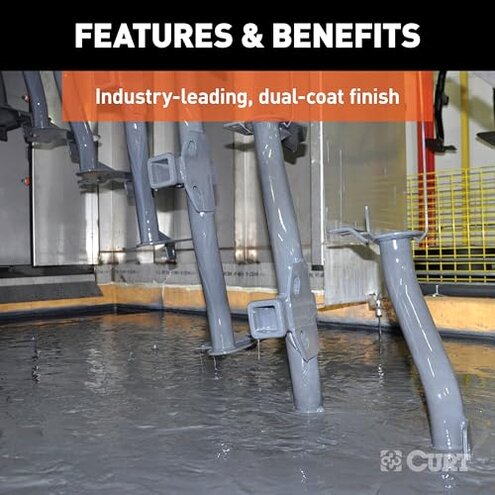
- Plan for protection if you drive salted roads, including quick touch-up supplies, to reduce finish wear frustration.
The bottom line
Main regret is an install that can feel more like a project than a bolt-on, driven by alignment variability and unplanned setup friction. That is a higher-than-normal risk because shoppers expect “custom fit” to be forgiving with typical tools. If you need a predictable one-session install, it’s a skip, but capable DIYers may accept the trade-offs.
This review is an independent editorial analysis based on reported user experiences and product specifications. NegReview.com does not sell products.