
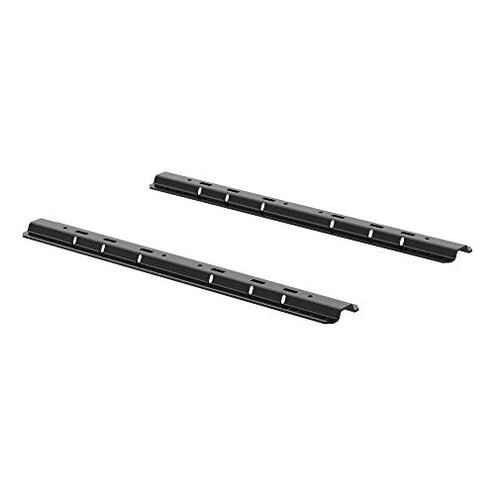
Product evaluated: CURT 16104 Industry-Standard 5th Wheel Hitch Rails, Gloss Black, 25,000 Pounds
Related Videos For You
Fifth Wheel Hitch Installation.
How to Install a 5th Wheel Hitch
Data basis: This report summarizes dozens of buyer feedback points collected from written reviews and video demonstrations between 2023 and 2026. Most input came from longer written installation notes, with added context from photos and walkthrough-style clips showing real truck-bed setup problems.
| Buyer outcome | CURT 16104 | Typical mid-range alternative |
| Install effort | Higher risk of extra measuring, drilling, and fit checking after setup starts | Moderate effort when paired with clearly matched hardware |
| Fit confidence | Lower confidence unless brackets and truck fit are verified first | Better fit predictability with more complete application guidance |
| Hidden requirements | Above normal because rails need separate under-bed brackets and careful compatibility checks | Usually clearer about what else must be purchased |
| Bed usability | Normal rails stay visible when hitch is removed | Normal for above-bed rail systems |
| Regret trigger | Most common when buyers expect a near-complete kit and discover added parts, added steps, or fit doubts mid-install | Less common if the listing makes the full install path obvious |
Did you expect a simple bolt-on install?
The regret moment usually happens after the box arrives and the install plan starts. This is a primary issue because the rails alone do not finish the job, and that catches buyers off guard.
This pattern appears repeatedly in feedback tied to first-time setup. Compared with a reasonable category baseline, this feels worse than expected because the extra parts requirement can stop the install entirely.
- Early sign: Confusion starts before drilling when buyers realize under-bed mounting brackets are sold separately.
- Frequency tier: This is a primary complaint, not universal, but persistent across setup-focused feedback.
- Hidden requirement: The rails are industry-standard, but that does not mean they fit a truck by themselves.
- Impact: The project can turn into extra cost and a delayed towing schedule.
- Attempts: Buyers often try to reuse old hardware or guess bracket fit, which adds more risk during install.
- Fixability: It is fixable with the correct brackets, but only after more research and waiting.
Illustrative excerpt: “I thought the rails were the kit, then installation stopped halfway.” Primary pattern reflecting the hidden-parts problem.
Will the fit be straightforward on your truck?
Fit frustration is among the most common complaints once buyers move from unpacking to test placement in the bed. The issue is not that rails are universally wrong, but that fit certainty depends heavily on matching brackets and vehicle-specific planning.
This shows up during layout, hole marking, and final alignment. It feels more disruptive than a normal hitch-rail install because a mismatch can waste time before the buyer even knows the full cause.
Typical alternatives in the same class still require care, but they are often more forgiving when the application guide is clearer. Here, the margin for error feels tighter for buyers who are not already familiar with rail-and-bracket systems.
- Context: The trouble appears during setup when buyers try to line up rails, brackets, and bed locations.
- Pattern: Fit concerns are a recurring issue across multiple feedback styles, especially detailed install notes.
- Why it worsens: It gets worse when the truck has a specific frame layout and the buyer assumes universal means universal fit.
- Visible result: Buyers notice extra measuring, second-guessing, and repeated repositioning.
- Time cost: This commonly adds more steps than expected for a mid-range rail set.
- Workaround: Pre-checking bracket guides can reduce risk, but that means more homework before purchase.
- Fixability: Once the correct combination is confirmed, the product can work, but the setup burden stays higher than many expect.
Illustrative excerpt: “Universal looked easy, but my truck still needed a lot of checking.” Primary pattern tied to fit uncertainty during installation.
Are you okay with a more demanding install than the listing suggests?
- Severity: This is a secondary issue, less frequent than basic compatibility problems, but more frustrating when it happens mid-project.
- When it hits: The pain shows up after setup begins, especially when buyers expected a quick weekend install.
- Category contrast: Some drilling and measuring are normal here, but this can feel less forgiving than typical mid-range alternatives.
- Common trigger: Buyers without prior hitch experience are more likely to hit setup friction early.
- User-visible impact: The install turns into extra time, more tools, and more chances to pause for missing information.
- Attempted mitigation: Watching install clips helps, but it does not remove the need for vehicle-specific planning.
- Fixability: Professional installation can solve most of it, but that adds a hidden labor cost beyond the rail price.
Illustrative excerpt: “The rails seemed fine, but the install was much bigger than expected.” Secondary pattern showing setup burden rather than outright defect.
Do you want your truck bed to stay mostly open afterward?
- Reality check: This is an edge-case regret compared with fit and install issues, but it still matters in daily use.
- When noticed: The downside shows up after installation whenever the hitch is removed for cargo hauling.
- What buyers see: The rails remain in the bed as visible hardware, which can get in the way of a clean cargo floor.
- Category contrast: That is normal for above-bed rail systems, but it feels worse than expected for buyers who thought “quick release” meant a clear bed.
- Impact: Large flat cargo can be less convenient to load because the bed is not fully unobstructed.
- Who notices most: This matters more for buyers who switch often between towing and hauling.
- Mitigation: If bed access matters most, a different mounting style may be a safer pick.
- Frequency: It is not the top complaint, but it is a persistent trade-off once the system is installed.
Illustrative excerpt: “I can remove the hitch, but the bed still isn’t really clear.” Edge-case pattern tied to everyday cargo use.
Who should avoid this
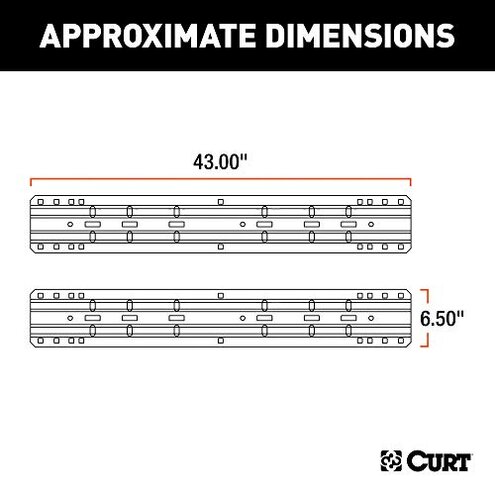
- Skip it if you want a near-complete kit with low research. The separate bracket requirement exceeds what many buyers consider a normal category hassle.
- Avoid it if you are unsure about truck-specific fit. The compatibility work is a primary regret trigger and can stop the install after purchase.
- Pass if you need the simplest possible weekend project. The setup burden appears repeatedly and feels heavier than many mid-range alternatives.
- Look elsewhere if you frequently need a smooth, open truck bed. The rails stay behind and can become an everyday annoyance.
Who this is actually good for
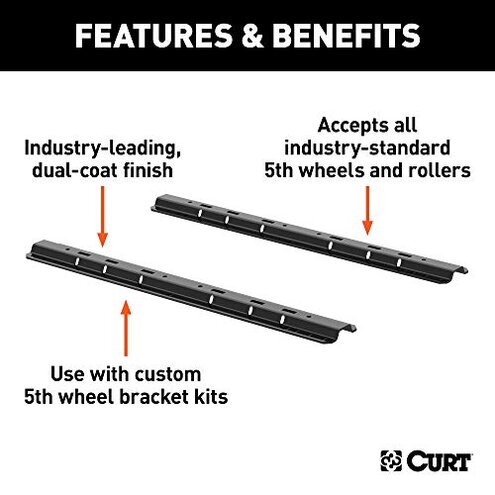
- Good fit for buyers who already know the exact bracket set they need and accept the extra planning.
- Works better for experienced installers who treat rails and brackets as separate purchases, not a one-box solution.
- Reasonable choice if you mainly care about an industry-standard rail layout and can tolerate a more involved install.
- Fine option for trucks dedicated mostly to towing, where bed obstruction matters less between trips.
Expectation vs reality
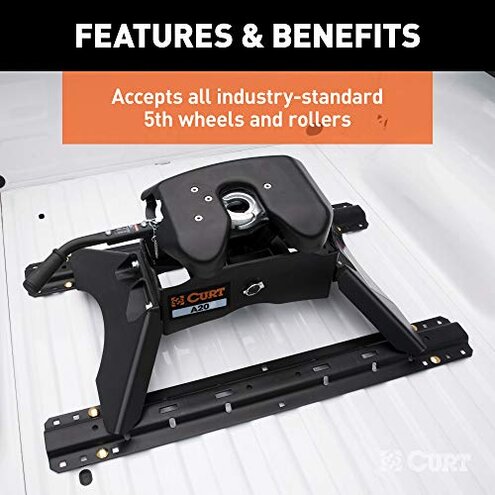
Expectation: “Universal rails” should mean easy fit on most trucks.
Reality: They still depend on the correct under-bed brackets, so universal mainly helps hitch compatibility, not full-vehicle fit.
Expectation: A reasonable category assumption is a clear install path once the box arrives.
Reality: Buyers commonly hit extra research, extra parts, and extra measuring, which is worse than expected for a mid-range option.
Expectation: “Quick release” should leave the bed mostly open.
Reality: The hitch can come out, but the rails remain, so cargo convenience is still reduced.
Safer alternatives
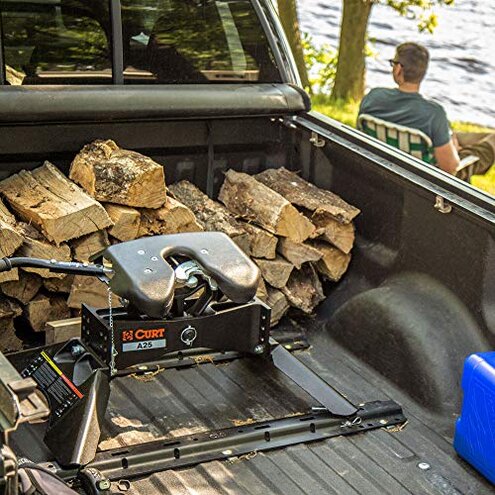
- Choose a kit that clearly includes rails and truck-specific brackets if you want to avoid the hidden-parts problem.
- Match by truck using a vehicle-specific application guide before buying, which directly reduces the fit-uncertainty issue.
- Budget for install if you are not experienced with hitch mounting, because professional help neutralizes much of the setup friction.
- Consider bed access before choosing above-bed rails, especially if you switch often between towing and cargo hauling.
The bottom line
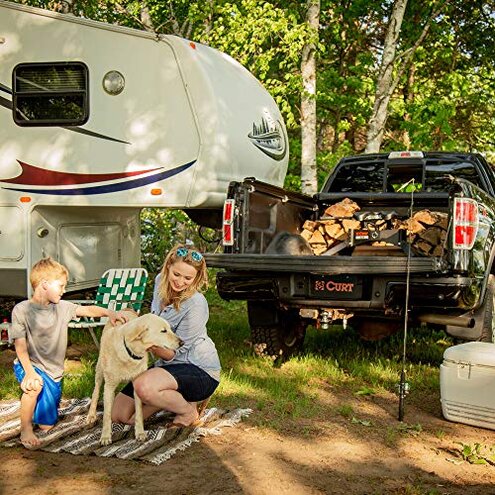
Main regret comes from expecting a straightforward rail kit and discovering separate brackets, tighter fit verification, and a more demanding install. That exceeds normal category risk because the extra effort can appear only after the project starts. Verdict: avoid this if you want simple, low-surprise installation or a cleaner truck-bed setup.
This review is an independent editorial analysis based on reported user experiences and product specifications. NegReview.com does not sell products.