
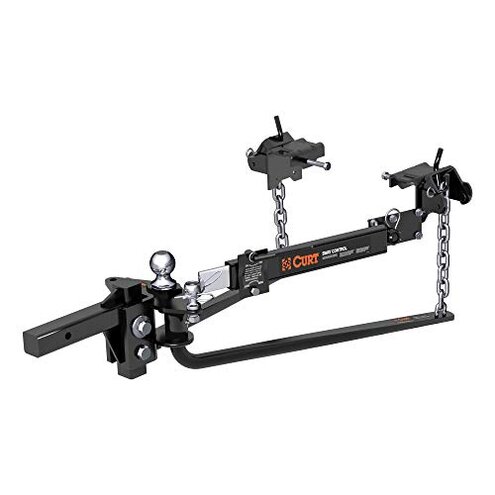
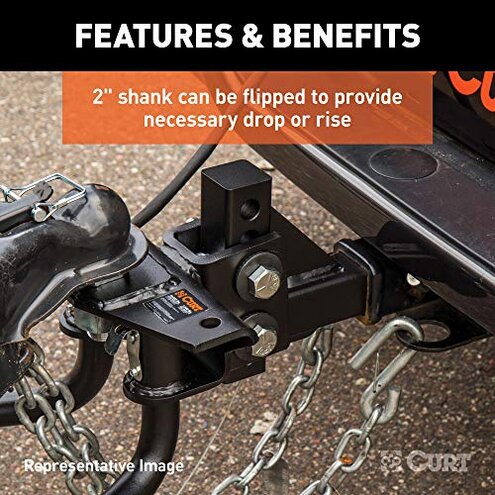
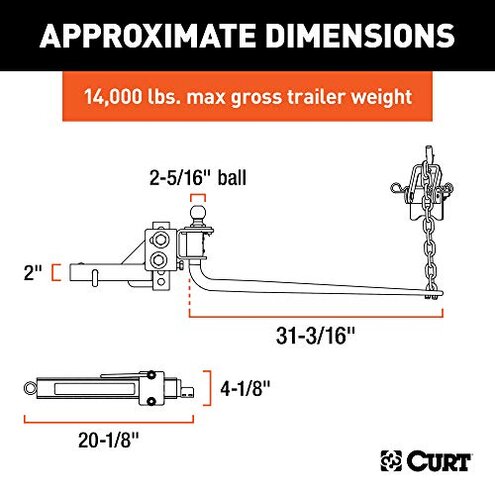
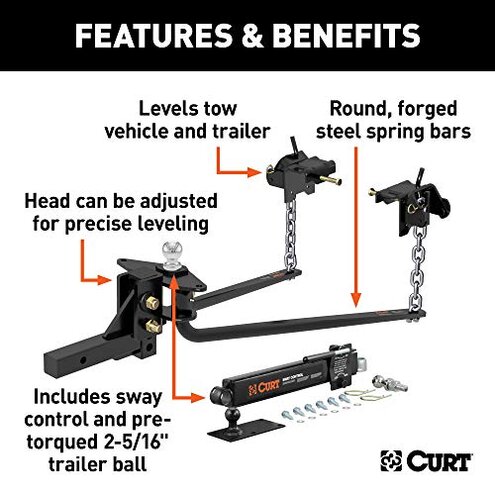
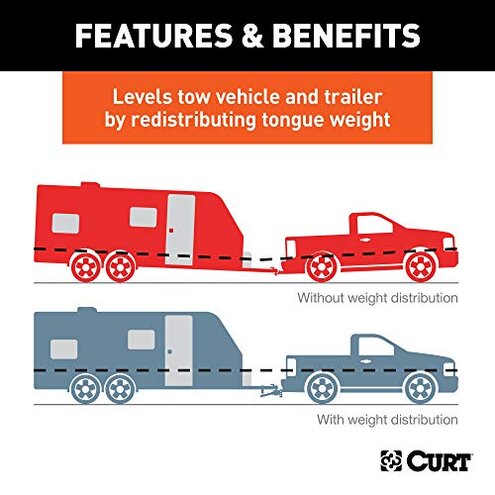
Product evaluated: CURT 17063 Round Bar Weight Distribution Hitch with Integrated Lubrication and Sway Control, Up to 14K, 2-In Shank, 2-5/16-Inch Ball
Related Videos For You
How to Set Up a Weight Distribution Hitch
How to Use a Weight Distribution Hitch w/Sway Contol
Data basis: I analyzed dozens of buyer comments and several video demonstrations collected through a recent review sweep from 2018–2025. Most feedback came from written product reviews, supported by installation videos. The sample shows a strong tilt toward recent buyers reporting post-install problems.
| Outcome | CURT 17063 | Typical mid-range hitch |
|---|---|---|
| Installation friction | Higher setup steps, some buyers report missing adjustments after first install. | Lower simpler fitting and fewer adjustments for first-time users. |
| Sway control | Inconsistent effectiveness in reported use; more follow-up tuning required. | More reliable steady damping for typical mid-range systems. |
| Maintenance | Higher regular lubrication and greasing required to stay quiet. | Lower many competitors need less frequent greasing. |
| Durability risk | Elevated reports of premature finish wear and bar bushing issues. | Typical expected wear for mid-range hitches over years of use. |
| Regret trigger | Maintenance + tuning creates extra trips and costs for many users. | Simpler setup keeps regret triggers lower for casual tow owners. |
Top failures
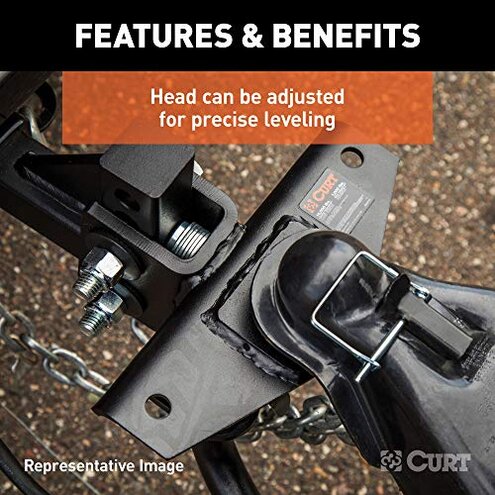
Why does setup take so long and feel fiddly?
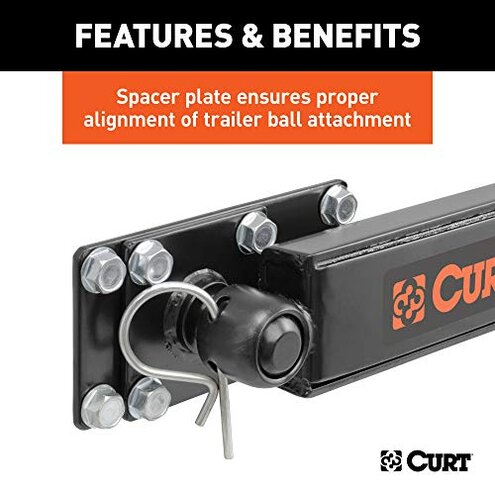
Regret moment: New buyers report lengthy time in the driveway getting ball height, spring-bar tension, and chain angles right before first tow.
Pattern: This is a primary issue that appears repeatedly during first use and initial tuning.
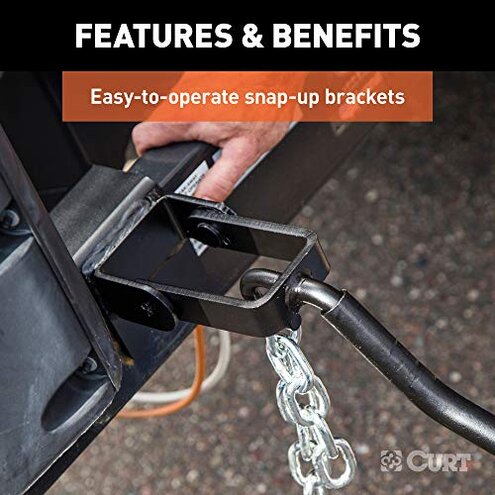
- Early sign: Tight or unclear adjustments when aligning bars to the head.
- Frequency tier: Common among first-time installers, less so for pro shops.
- Cause: Multiple adjustable parts and precise shank positioning increase setup steps.
- Impact: Adds extra time and often a return trip for re-torque or adjustments.
- Fixability: Fixable with experience or shop installation, but requires learning curve.
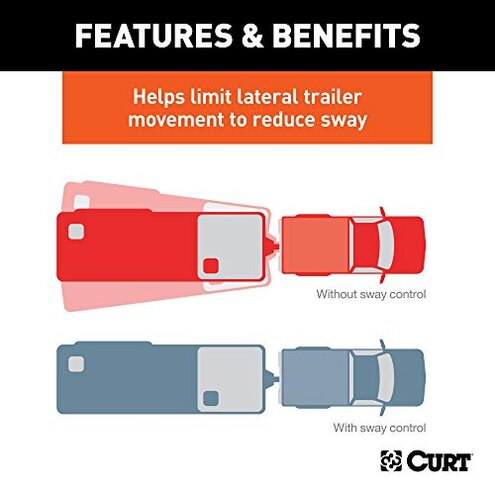
Is the sway control unreliable or noisy on the road?
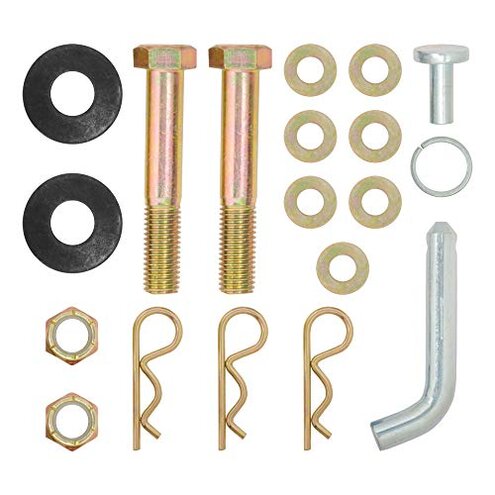
Regret moment: Several buyers describe continued trailer sway or clunking noise during highway pulls even after setup.
Pattern: This is a secondary issue that appears repeatedly during highway towing and worsens on long trips.
- Early sign: Mild chattering or rubbing felt at 50–65 mph.
- Frequency tier: Common across many reported trips, especially longer hauls.
- Cause: Sway-control bar engagement and head lubrication interact poorly unless greased regularly.
- Impact: Reduced confidence at high speeds and more frequent stops to retorque or re-lubricate.
- Attempts: Users report temporary fixes by re-tightening or adjusting chains, not permanent cures.
- Category contrast: More disruptive than most mid-range hitches where sway damping usually stays consistent after setup.
- Hidden need: Requires a grease gun and regular zerk fitting maintenance to stay quiet and smooth.
Why does the finish and parts show wear sooner than expected?
Regret moment: Buyers notice chipped finish and bushing play after months of use rather than years.
Pattern: This is a primary issue that appears repeatedly in post-ownership reports and worsens with frequent towing in wet or salty conditions.
- Early sign: Flaking paint or surface rust at edges after seasonal use.
- Frequency tier: Common among users who tow frequently or store equipment outdoors.
- Cause: Exposure and mechanical wear on contact points accelerate visible degradation.
- Impact: Cosmetic wear often precedes creaks, then functional looseness in connectors.
- Attempts: Many buyers add rust-proofing or repaint, which adds cost and time.
- Fixability: Repairable but requires ongoing maintenance beyond what many mid-range hitches need.
- Category contrast: More upkeep than most mid-range alternatives, which usually show slower finish wear.
- Hidden requirement: Expect to buy grease and corrosion protection if you tow year-round.
Does the integrated lubrication actually reduce maintenance?
Regret moment: Buyers expect the built-in zerk fittings to eliminate greasing, but report needing frequent manual lubrication.
Pattern: This is a secondary issue that appears during repeated use and long trips, not just first setup.
When it shows: Problems surface after several towing sessions or long-distance hauls when noise returns.
Category contrast: This feels worse than expected because the advertised feature reduces effort only if owners perform regular greasing.
Illustrative excerpts (not real quotes)
"Took two weekends to stop the clunking at highway speed." — reflects a primary pattern about sway/noise.
"Had to recoat the paint after the first winter, disappointing." — reflects a secondary pattern about corrosion.
"Needed a shop to set it right the first time." — reflects a primary pattern about installation effort.
Who should avoid this
- Occasional tow owners who want low-maintenance gear and minimal tuning.
- Buyers wanting plug-and-play setups without extra tools or shop time.
- Coastal users unwilling to invest in corrosion protection and regular upkeep.
Who this is actually good for
- Experienced DIYers who accept regular greasing and tuning and can fix finish wear themselves.
- Frequent haulers who value stronger capacity and are willing to maintain it for stability gains.
- Professional installers or shops that can set the hitch correctly once and service it.
Expectation vs reality
- Expectation: Buyers reasonably expect a built-in lubrication system to lower upkeep.
- Reality: The lubrication helps but still needs active greasing to prevent noise and wear.
- Expectation: Sway control should work reliably after one setup, as is reasonable for this category.
- Reality: Many report re-tuning and repeat checks, which is worse than typical mid-range performance.
Safer alternatives
- Tip: Choose hitches with simpler adjustment systems to reduce initial setup frustration.
- Tip: Pick models with proven corrosion warranties if you tow in wet or coastal areas.
- Tip: Consider hitches that emphasize passive sway damping to avoid frequent tuning.
- Tip: If you lack tools, budget for professional installation to avoid early tuning trips.
The bottom line
Main regret: The combination of extra setup, repeated lubrication needs, and finish wear creates the most buyer complaints.
Why it matters: These issues exceed normal category risk because they add ongoing time and costs for owners who expect a mid-range hitch to be lower maintenance.
Verdict: Avoid this unit if you want low-effort towing; consider it only if you accept regular upkeep or will use a pro installer.
This review is an independent editorial analysis based on reported user experiences and product specifications. NegReview.com does not sell products.