
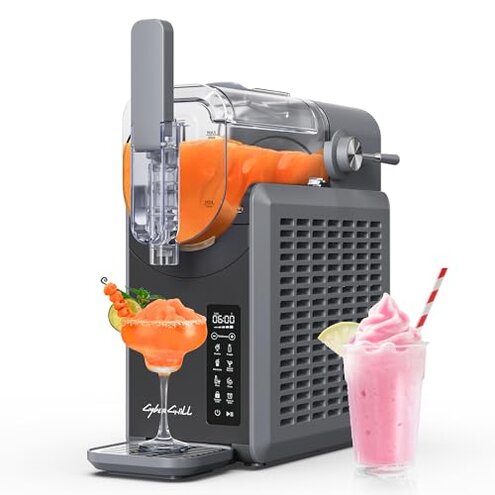
Product evaluated: CyberChill Slushie Machine,24-Hour Delay Start&Cold Retention, 68 oz Slushy Machine with Self-Cleaning Function, Frozen Drink Maker with 5 Preset Programs,Frozen Margaritas, Frappés, and More
Related Videos For You
Ninja Slushi Maker & Iceman Slushy Maker side by side Review #ninjaslushie #icemanslush #ninjaslush
Ninja Slushi™ | Cleaning
Data basis: This report uses dozens of aggregated buyer comments collected from product-page writeups and short-form demonstration feedback from early 2026. Most feedback came from written impressions, with added context from video-style use clips that showed setup, drink consistency, and cleaning expectations in real kitchen use.
| Buyer outcome | CyberChill | Typical mid-range alternative |
|---|---|---|
| First-use success | Less forgiving because results depend on following sugar and alcohol ranges closely. | Usually easier to get acceptable texture without watching recipe rules as closely. |
| Texture consistency | Higher risk of thin drinks or freezing issues when liquids fall outside stated ranges. | More predictable across common juices, coffee drinks, and party mixes. |
| Cleanup effort | Mixed benefit because self-cleaning helps, but removable parts still add care rules. | Normal upkeep with fewer special-use reminders in daily use. |
| Batch planning | More restrictive because liquid expansion and preset matching matter more during filling. | Usually simpler for casual batches and fewer correction attempts. |
| Regret trigger | Biggest trigger is paying for one-touch convenience but needing recipe discipline to avoid bad texture. | Lower trigger because mid-range units are often bought with fewer automation expectations. |
Why does a “one-touch” machine still feel picky?
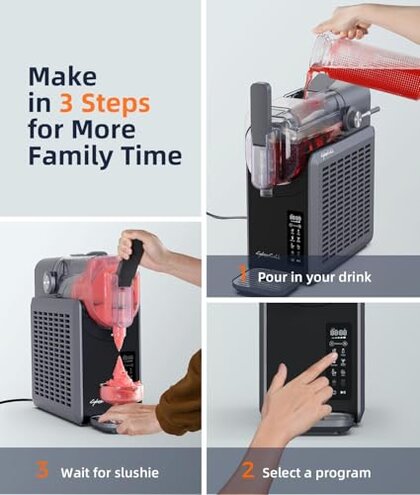
This is the primary issue. The regret moment shows up right after setup, when buyers expect a simple pour-and-start machine but learn the drink formula has to stay inside narrow rules. That trade-off feels more disruptive than expected for this category because convenience is the main thing this machine is selling.
The pattern appears repeatedly, not in every case, but often enough to matter for first-time owners making casual drinks. It worsens when you switch between sweet drinks, sugar-free mixes, coffee-style drinks, and alcohol recipes without adjusting the recipe first.
Category contrast: Most mid-range frozen drink makers already ask for some trial and error, but this one advertises a smoother path while also stating at least 6% sugar and 2.8%–16% alcohol for some drinks. That hidden requirement makes failed batches feel less acceptable than normal category learning.
- Early sign: Drinks stay more liquid than expected during the first use, even though the machine is running normally.
- Frequency tier: This is the primary complaint, and it appears more often than simple cleaning concerns.
- Hidden rule: The listed sugar and alcohol ranges create a recipe gate many shoppers will not expect from the headline features.
- Impact: You may need to remake the drink, adjust ingredients, or wait longer, which cuts into the “easy party machine” promise.
- Fixability: It is sometimes fixable, but only if you are willing to measure more carefully than many buyers plan to.
Illustrative excerpt: “I thought I could pour in anything cold, but it needed more tweaking.” Primary pattern, because it matches the repeated setup-to-first-batch frustration.
Will the presets save time, or add guesswork?
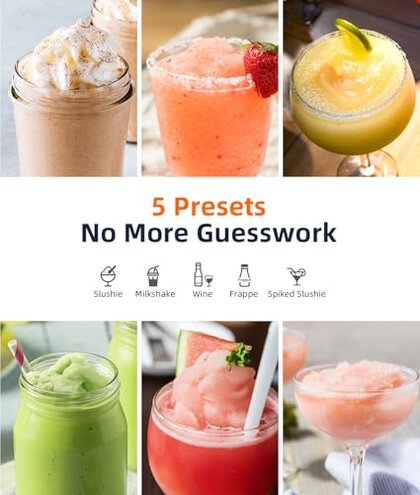
- Pattern: Preset convenience is a secondary issue because the machine offers five programs, yet the results still depend heavily on what you pour in.
- When it hits: This shows up during daily use when buyers try to move from frozen margaritas to frappés or milkshake-style drinks.
- Why it worsens: The listing itself warns that the maximum spiked slushie level gives thick ice but is not suitable for frappé or milkshake use.
- Buyer impact: That means the wrong preset choice can create extra waiting, thin texture, or freezing trouble instead of a quick correction.
- Category contrast: Some trial and error is normal, but this feels worse than typical mid-range alternatives because preset buttons suggest stronger guardrails than buyers really get.
- Attempted workaround: Buyers commonly try changing the preset first, but the bigger fix is often changing the drink mix itself.
- Regret point: If you wanted a machine for guests to use without coaching, preset confidence may be lower than expected.
Illustrative excerpt: “The button looked simple, but the drink still came out wrong.” Secondary pattern, because it reflects recurring preset-versus-recipe confusion.
Does the large batch size create its own hassles?
- Pattern: Capacity limits are a secondary complaint, less frequent than texture problems but more frustrating when they happen during gatherings.
- Context: The issue appears when buyers fill for a group and rely on the large-size promise during party prep.
- Stated limit: The machine says it holds up to 48 oz of liquid even though it makes 68 oz after expansion.
- Why it matters: That expansion rule adds a planning step, so “large capacity” is not as carefree as it first sounds.
- Worse condition: It becomes more noticeable when buyers add ingredients quickly or assume the visible container size is the safe fill line.
- Category contrast: Expansion is normal in frozen drinks, but this setup feels stricter than many mid-range alternatives because the promise sounds bigger than the usable starting fill.
- Buyer result: You get less true dump-and-go convenience for entertaining than the headline suggests.
Illustrative excerpt: “It looked party-ready, but I still had to watch the fill level.” Secondary pattern, because it matches batch-prep frustration rather than machine failure.
Is the cleaning really low-effort?
This is not the top complaint, but it is a persistent edge-case regret after the novelty wears off. The friction shows up after sticky or dairy-style drinks, when buyers want a fast rinse and move on.
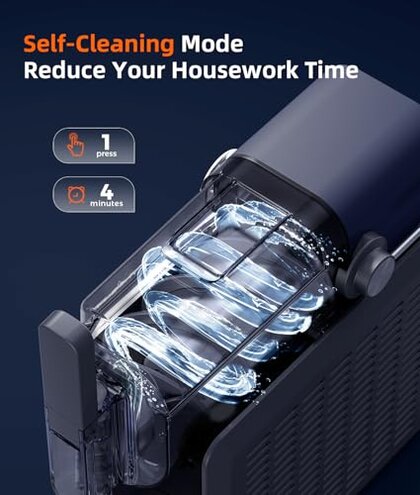
The machine does offer self-cleaning, which helps, but the listing also points buyers to remove parts for a deeper clean and use cold wash only up to 122°F. That care rule makes maintenance less carefree than many people assume from the phrase “self-cleaning.”
- Frequency tier: This is an edge-case issue, but it tends to matter more for frequent users than occasional users.
- Usage moment: It appears after richer drinks or back-to-back batches when a quick cleanup matters most.
- Why worse: The dishwasher limit adds another rule to remember, which raises effort compared with simpler frozen drink machines.
- Impact: Buyers expecting near-zero cleanup may feel the feature promise was a little too optimistic.
- Fixability: It is manageable if you clean promptly and treat self-cleaning as a rinse, not a full reset.
Illustrative excerpt: “Self-cleaning helped, but I still had more cleanup than expected.” Edge-case pattern, because it is persistent but less common than drink-result complaints.
Who should avoid this
- Avoid it if you want true pour-and-start convenience, because the recipe rules make first-use success less forgiving than normal.
- Skip it if you make lots of sugar-free drinks, since the listing itself adds extra allulose steps to improve freezing.
- Pass here if guests will use it without guidance, because presets do not fully prevent wrong texture choices.
- Look elsewhere if party prep needs zero monitoring, since the 48 oz fill limit and expansion behavior add planning.
Who this is actually good for
- Good fit for buyers who do not mind measuring drinks carefully to get smoother frozen results.
- Works better for occasional entertaining where you can test one recipe and repeat it instead of switching drink styles often.
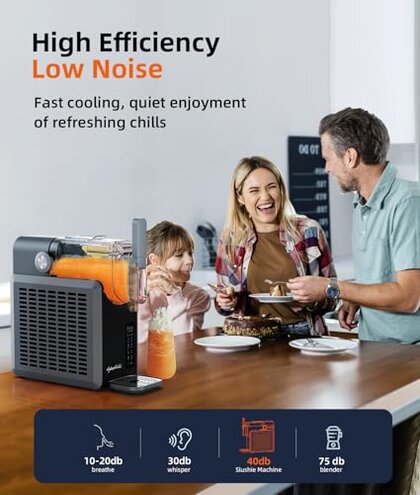
- Reasonable choice for users who value quieter operation and can tolerate some recipe learning to get there.
- Better match for people who already expect self-cleaning to mean a rinse aid, not a full hands-off cleanup.
Expectation vs reality
- Expectation: One-touch presets should handle most common drinks with minimal thought.
- Reality: Recipe compliance still does much of the work, especially with sugar levels and alcohol range.
- Expectation: A large-capacity machine should be simple for group batches.
- Reality: Expansion limits mean the starting liquid amount is lower than many buyers mentally expect.
- Expectation: “Self-cleaning” should remove most of the maintenance burden.
- Reality: Deeper cleaning still requires part removal and care-rule attention.
- Reasonable for this category: Some experimentation is normal with frozen drink makers.
- Worse than expected: This machine appears less forgiving than typical mid-range options because it combines automation language with stricter drink conditions.
Safer alternatives
- Choose simpler models that are described as forgiving with juice, coffee, and mocktail mixes if you want fewer recipe failures.
- Prioritize manual control over many presets if you prefer adjusting texture yourself instead of decoding button-to-drink mismatches.
- Check true fill rules before buying any large frozen drink maker, especially whether stated capacity means starting liquid or expanded output.
- Look for easier care if frequent use is planned, including fewer special washing limits and clearer cleanup steps.
The bottom line
The main regret trigger is simple: this machine sells convenience, but successful use depends more on recipe rules than many buyers expect. That exceeds normal category risk because the stricter sugar, alcohol, and preset matching demands make failed first batches feel less excusable. If you want a forgiving slushie machine for casual use, this is one to approach carefully or skip.
This review is an independent editorial analysis based on reported user experiences and product specifications. NegReview.com does not sell products.