
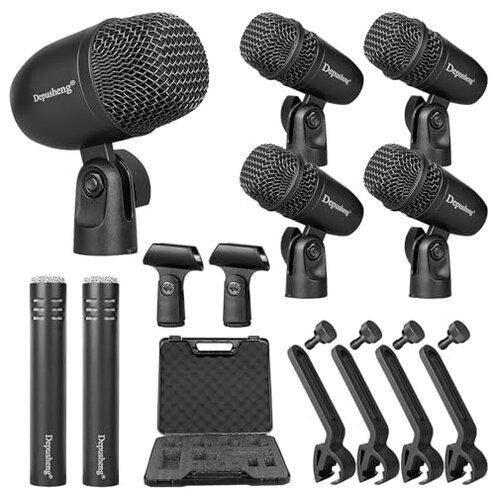
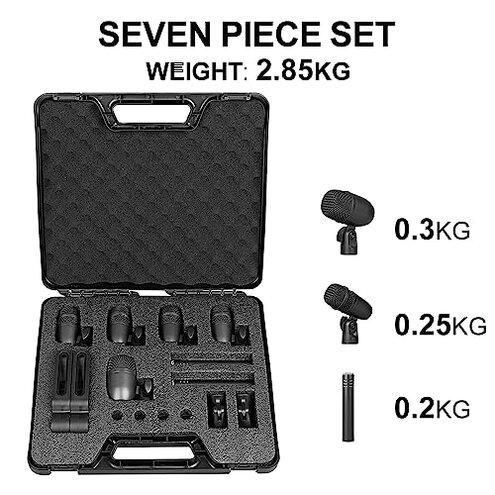
Product evaluated: Depusheng 7-Piece Drum Microphone Set with 5 Dynamic Percussion Microphones and 2 Condenser Percussion Microphones Ideal for Instrument Recording and Music Production
Related Videos For You
How to Mic a Drum Kit presented by Daniel Ellis from Jesus Culture
How I Record Drums Using One Microphone
Data basis: I analyzed dozens of buyer reports and demonstration videos collected between 2023 and 2026. Most feedback came from written reviews, supported by video demonstrations and a few Q&A notes. The distribution shows written reviews as the dominant signal, with visuals confirming setup failures.
| Outcome | Depusheng 7-piece | Typical mid-range set |
|---|---|---|
| Sound consistency | Inconsistent across mics; intermittent dropouts commonly reported after setup. | Steady sound in most units with minor tuning required. |
| Build durability | Fragile connectors and mesh wear reported under regular gig use. | More robust housings and connectors for everyday use. |
| Connector reliability | Higher-than-normal risk of loose XLR joints that cause noise or loss of signal. | Lower risk of connector failures in comparable mid-range models. |
| Setup & mounting | Extra steps required: thread inserts and clamps often need re-tightening. | Simpler mounting with fewer re-adjustments expected. |
| Regret trigger | Reliability failures during a set or repeated gigs cause the most regret. | Switching or rework during gigs is less frequent. |
Top failures
Why does the sound drop or go noisy during a set?
Intermittent audio is a recurring complaint that appears repeatedly across reports. The failure commonly happens after initial setup or during movement of mic stands, causing static or signal loss. This is worse than normal because mid-range drum mic sets usually hold connections during routine handling.
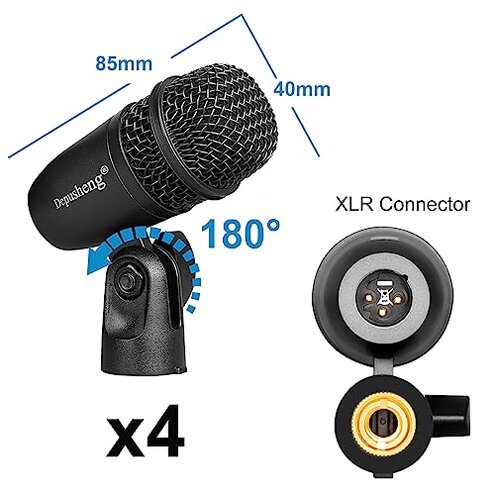
Why do the connectors feel flimsy and require frequent tightening?
- Early sign: loose fit at first plug-in noted by many buyers.
- Frequency tier: a primary issue in buyer feedback rather than an isolated incident.
- Cause: shallow XLR seating or small tolerances that allow movement.
- Impact: audible noise or total dropouts during gigs and rehearsals.
- Attempts: users report repeated re-plugging or adding tape as a temporary fix.
Why does the hardware (mounts/clips) feel unreliable?
- Hidden requirement: some buyers needed extra adapters or thicker stands to avoid slipping.
- Usage anchor: problems occur during transport and repeated stage setups.
- Category contrast: more mounting fuss than most mid-range alternatives, which comes with sturdier clips.
- Early sign: clamps arrive loose or with rough threads.
- Frequency tier: secondary but disruptive for gigging drummers.
- Fixability: requires buying stronger clamps or tools to secure mics reliably.
- Impact: lost time and extra cost before each performance.
Why do cymbal/overhead mics sound thin or inconsistent?
- Pattern statement: a persistent but less universal issue affecting some condenser units.
- Usage context: noticed during recording or quieter passages where sensitivity matters.
- Category contrast: more sensitivity variance than expected for a 7-piece set.
- Early sign: thin high end or inconsistent pickup compared to other mics.
- Cause: variability in capsule response or poor factory tuning.
- Attempts: users try EQ adjustments and repositioning to compensate.
- Impact: extra mixing time and uneven live balance.
- Fixability: partial—improvements need external EQ or replacement microphones.
Illustrative excerpts (not real quotes)
Excerpt: "Mic cut out mid-song after I moved the stand—very embarrassing." (primary pattern)
Excerpt: "Clips were loose; needed other clamps for gigs." (secondary pattern)
Excerpt: "Cymbal mic sounded thin even after EQ attempts." (secondary pattern)
Excerpt: "Worked fine in my home jam but failed during a long rehearsal." (primary pattern)
Who should avoid this
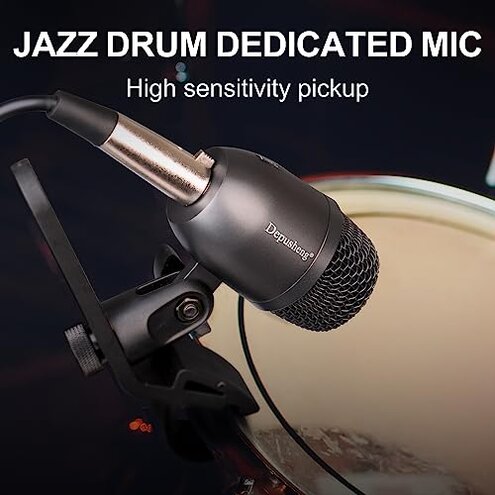
- Gigging drummers: those needing reliable connectors and sturdy mounts for live shows should avoid this set due to common dropout risk.
- Touring bands: frequent transport and repeated setups worsen the fragile mounting and connector problems.
- Record engineers: those needing consistent overhead/cymbal response should avoid unless planning extra EQ work or replacements.
Who this is actually good for
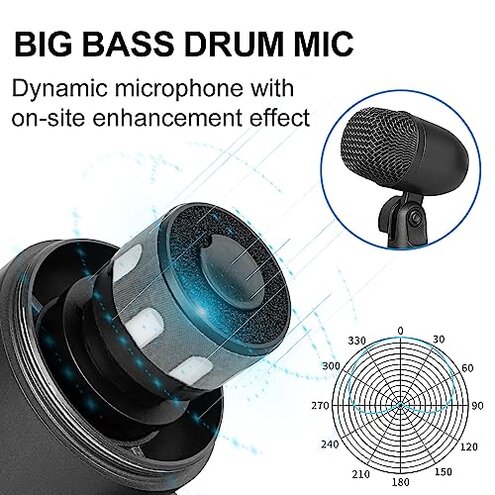
- Home hobbyists: users who record casually at home can tolerate connector fuss for the price savings.
- Budget rehearsals: bands that rehearse in low-stakes settings where occasional re-plugging is acceptable.
- Experimenters: buyers willing to replace clips or add tape/adapters to secure connectors.
Expectation vs reality
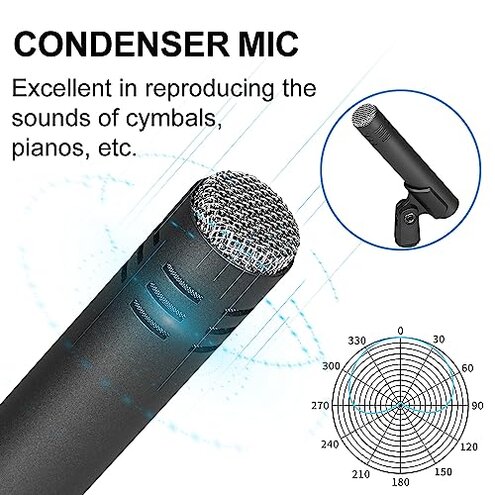
Expectation: reasonable for this category is that a mid-range drum mic set keeps connections during handling.
Reality: the Depusheng set more often needs re-tightening and extra adapters, creating extra prep time and risk during a set.
Safer alternatives
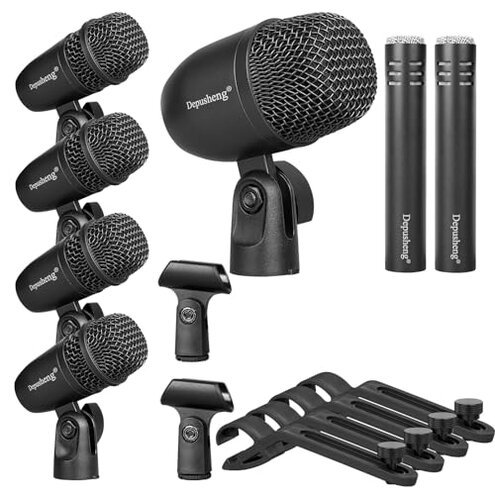
- Choose kits with stronger XLR fit: look for sets that advertise reinforced connectors to neutralize dropout risk.
- Prefer robust mounting: pick packages that include metal clips and verified thread inserts to avoid slipping.
- Buy separate condensers: if overhead tone matters, invest in a known condenser for cymbals rather than relying on bundled units.
- Test before gigging: allocate setup time to stress-test connections under movement to catch issues early.
The bottom line
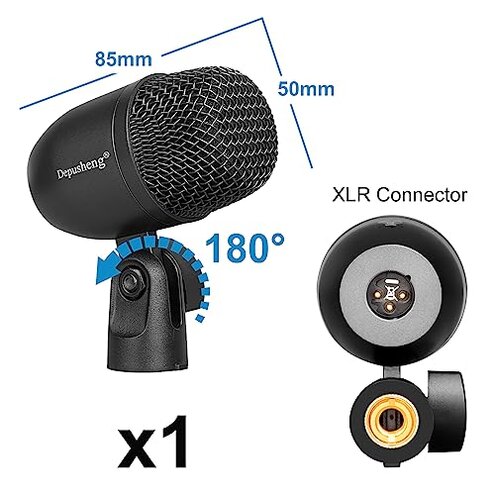
Main regret: connector and mounting reliability causes the most buyer regret, often during performance or transport.
Why it matters: these failures exceed normal category risk because they interrupt sets and require extra hardware or time to fix.
Verdict: avoid if you need dependable live performance gear; consider it only for low-risk practice or with plans to upgrade mounts and connectors.
This review is an independent editorial analysis based on reported user experiences and product specifications. NegReview.com does not sell products.