
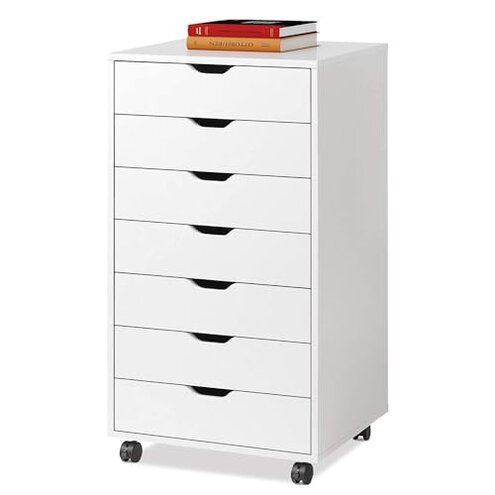
Product evaluated: DEVAISE 7-Drawer Chest, Wood Storage Dresser File Cabinet with Wheels, White
Related Videos For You
HOW TO ORGANIZE A DRESSER: The KONMARI Method and drawer organization hacks | OrgaNatic
Unboxing & Assembling the SweetCrispy 7 Drawer Dresser
Data basis: This report summarizes dozens of buyer comments collected from written feedback and video-style demonstrations between 2023 and 2026. Most feedback came from detailed written experiences, with lighter support from photo and video walk-throughs that helped confirm setup and daily-use problems.
| Buyer outcome | DEVAISE chest | Typical mid-range alternative |
|---|---|---|
| Assembly stress | Higher setup risk if parts alignment or instructions are unclear | Moderate setup effort is more typical for this category |
| Drawer feel | Less forgiving if drawers are slightly off after setup | Usually smoother during normal daily opening and closing |
| Stability on wheels | Higher-than-normal risk of feeling less steady during movement | More predictable when repositioned around a room |
| Small-space fit | Better for tight rooms because of the narrow footprint | Often wider but may feel sturdier |
| Regret trigger | Buying for heavy daily use and expecting a sturdier dresser feel | Buying for basic storage with fewer surprises after assembly |
Need something that feels solid every day?
This is a primary issue. The most common regret starts after setup, when the chest looks fine but feels less steady than expected in daily use. That trade-off hits harder if you plan to open several drawers often.
The pattern appears repeatedly. It is not universal, but the complaints are persistent enough to matter, especially when the unit is placed on its wheels and moved or nudged. Compared with a typical mid-range dresser, that makes this one feel less stable than buyers expect.
Illustrative excerpt: “It works, but it feels shaky every time I roll it.” Primary pattern because this reflects one of the most common day-to-day complaints.
What worsens it: Daily handling, uneven floors, and frequent repositioning make the weakness more noticeable. If you wanted a chest that behaves like a planted bedroom dresser, the mobile design can feel like a compromise rather than a feature.
Expecting drawers to open smoothly without fiddling?
- Frequency tier: This is a primary issue, and misalignment complaints appear repeatedly after assembly rather than much later.
- Real moment: You notice it during first use when one drawer does not sit quite right or needs extra care to slide cleanly.
- Why it frustrates: The problem is more disruptive than expected because buyers usually accept some assembly work, but not drawers that still feel off afterward.
- Early sign: A tight fit or uneven drawer gap during setup often hints that the finished result may need adjustment.
- Impact: Instead of quick storage access, you may start opening drawers more gently to avoid rubbing or sticking.
- Buyer attempts: Common fixes include rechecking steps, loosening and retightening parts, or rebuilding sections, which adds extra time.
- Category contrast: Flat-pack storage often needs assembly, but this feels worse than normal when small setup errors create daily drawer annoyance.
Illustrative excerpt: “One drawer keeps catching unless I line it up carefully.” Primary pattern because it matches repeated complaints tied to normal opening and closing.
Buying this mainly because the wheels sound convenient?
- Secondary issue: Wheel-related complaints are less frequent than drawer alignment problems, but more frustrating when mobility is the main reason for purchase.
- Usage context: The issue shows up when moving it for cleaning, office rearranging, or tight-space access.
- Hidden requirement: To get the best result, buyers may need to stop rolling it often or remove the casters for a more fixed placement.
- Why that matters: That extra decision is easy to miss, so some buyers feel they did not get the convenience they expected.
- Worsening condition: On surfaces that are not perfectly even, any slight looseness feels more obvious during movement.
- Category contrast: Wheels usually add flexibility, but here they can also add a higher-than-normal sense of instability.
Illustrative excerpt: “The wheels were the selling point, but I barely trust them.” Secondary pattern because this regret depends on how much mobility matters to the buyer.
Thinking the compact size means easy storage without trade-offs?
- Trade-off: The narrow footprint is helpful in small rooms, but storage expectations can still miss reality during daily organizing.
- When it appears: This shows up after moving in items, especially if you expect each drawer to handle bulkier clothing or mixed office supplies.
- Primary cause: The product is compact at 18.9 inches wide, so convenience in tight spaces comes with less room than some buyers mentally picture.
- Frustration level: This is a secondary issue, but it becomes a primary regret if you are replacing a fuller-size dresser.
- Visible impact: You may end up sorting more carefully, spreading items across drawers, or realizing it works better for lighter categories.
- Category contrast: Small dressers always store less, but this one can feel more limiting than expected because seven drawers suggest more usable space than the narrow body delivers.
- Fixability: It is only partly fixable, since better organization helps, but it does not create more actual drawer room.
- Best clue: If you need one chest to hold a full clothing load, this size can become the regret trigger.
Illustrative excerpt: “Seven drawers sounded roomy, but each one felt smaller in use.” Secondary pattern because the disappointment depends on what the buyer is trying to store.
Who should avoid this
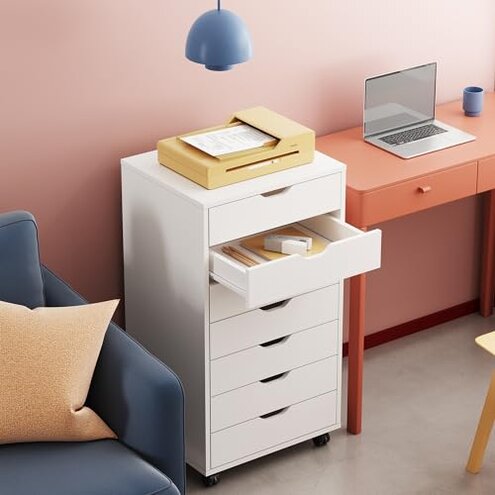
- Avoid it if you want a dresser that feels planted and sturdy during frequent opening, closing, and room movement.
- Avoid it if assembly frustration pushes you over the edge, because recurring alignment complaints can turn setup into repeated rework.
- Avoid it if the wheels are your main reason for buying, since that convenience can also create the stability trade-off.
- Avoid it if you are replacing a full-capacity dresser, because the compact frame can feel more limiting than the drawer count suggests.
Who this is actually good for
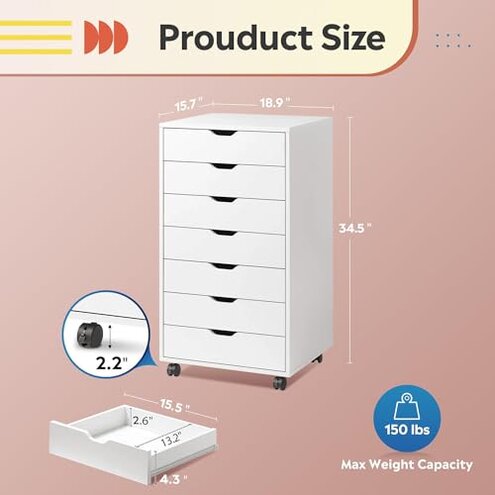
- It fits buyers who need narrow storage in a small office or corner and can tolerate a lighter-duty feel.
- It suits people storing lighter items and opening drawers less often, where alignment issues may matter less day to day.
- It works for shoppers willing to treat the wheels as optional and keep the unit mostly stationary.
- It helps budget-focused buyers who care more about compact organization than furniture-grade sturdiness.
Expectation vs reality
Expectation: A reasonable category expectation is some assembly time, then drawers that behave normally.
Reality: Here, setup errors or tolerances can keep affecting drawer use afterward, which feels worse than expected for a mid-range flat-pack chest.
Expectation: Wheels should make a storage unit easier to live with.
Reality: In repeated feedback, mobility can also make the unit feel less steady, especially during cleaning or repositioning.
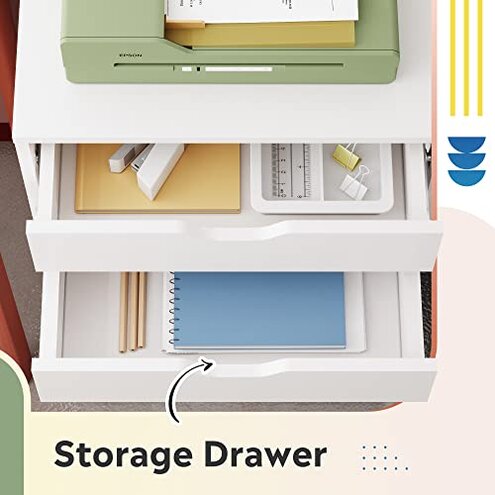
Expectation: Seven drawers sounds like broad storage flexibility.
Reality: The compact frame helps in tight spaces, but the usable capacity can still disappoint buyers expecting dresser-like volume.
Safer alternatives
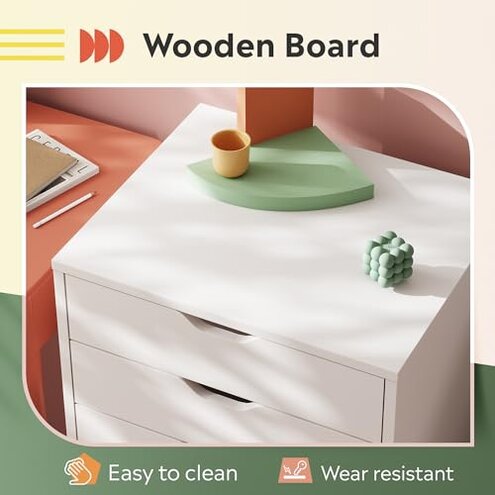
- Choose fixed-base models if stability matters more than mobility, because that directly avoids the caster-related wobble trade-off.
- Look for pre-assembled drawer sections or simpler drawer systems if you want to reduce alignment risk after setup.
- Prefer wider chests when replacing a main dresser, because extra width usually matches real storage expectations better than a high drawer count alone.
- Check for setup videos before buying any flat-pack storage unit, since visual assembly help can reduce the hidden time cost of rework.
The bottom line
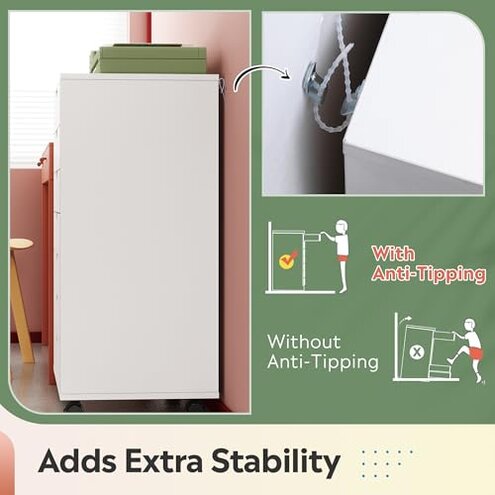
The main regret trigger is expecting this compact rolling chest to feel as sturdy and hassle-free as a typical mid-range dresser. The risk is higher than normal because the same features that save space and add mobility can also increase wobble, setup sensitivity, and drawer frustration. Skip it if you need heavy daily use, smooth drawers, or true dresser-like stability.
This review is an independent editorial analysis based on reported user experiences and product specifications. NegReview.com does not sell products.