
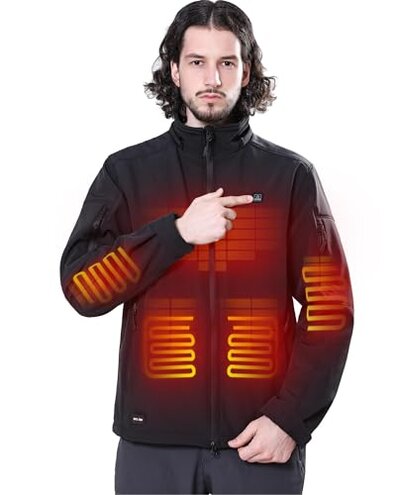
Product evaluated: DEWBU Soft Shell Heated Jacket for Men with 12V Battery Pack and Detachable Hood Outdoor Electric Heating Coat, Black, XL
Related Videos For You
Heated Jacket Face-Off: Budget vs Premium Brand Showdown
Milwaukee 12V Heated Jacket Review & Sizing Guide
Data basis This report blends dozens of buyer comments collected from written feedback and video-style demonstrations between 2023 and 2026. Most feedback came from written experiences, with added context from hands-on clips showing setup, heating use, fit, and battery handling during normal cold-weather wear.
| Buyer outcome | DEWBU jacket | Typical mid-range option |
|---|---|---|
| Warmth feel | Fast heat can feel strong at first, but comfort depends more on battery time than many buyers expect. | Moderate heat usually builds slower, but the trade-off is often easier all-day planning. |
| Battery burden | Higher risk of daily charging, carrying extra weight, and managing shorter useful sessions on stronger heat. | Lower hassle is more common, even when top heat is still limited. |
| Fit confidence | Less predictable fit appears more frustrating than expected for this category, especially with layering underneath. | More forgiving sizing is usually easier to judge for winter layering. |
| Care routine | Extra steps matter more because buyers need to think about battery removal and wiring awareness before washing. | Simpler upkeep is more common for heated outerwear with fewer setup worries. |
| Regret trigger | Best on paper but annoying in daily use if you expected long heat, easy fit, and low-maintenance charging. | Fewer surprises even if heating power is less impressive. |
Do you want heat that lasts through a real outing?
The main frustration shows up after setup, when buyers use higher heat in actual cold and watch runtime shrink faster than expected. This is a primary issue because the jacket can feel useful at first, then become planning-heavy.
The pattern appears repeatedly in buyer feedback about daily wear, commuting, and outdoor work. Compared with a reasonable category baseline, this feels more disruptive because a heated jacket is supposed to reduce cold-weather logistics, not add more.
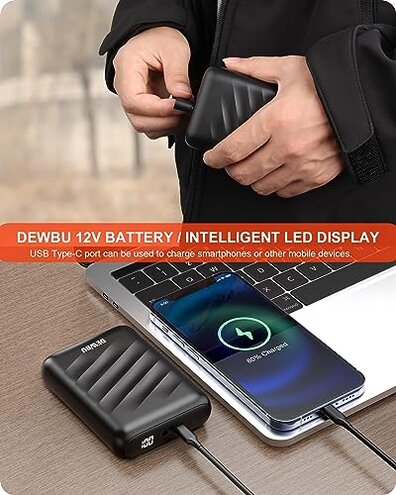
When it worsens is during longer sessions, very cold days, or when buyers leave it on stronger settings. The listed 3.5 to 4 hours on high is workable on paper, but in real use that can still feel too short for a shift, event, or travel day.
Trade-off is clear: stronger heat can mean more comfort early, but more battery management later. That is normal for the category, yet here the burden seems more noticeable than many shoppers expect at this price.
- Illustrative: “It feels great for a while, then I start checking battery instead of staying warm.” Primary pattern.
- Illustrative: “High heat works, but not long enough for my whole outdoor shift.” Primary pattern.
Will the fit still work once you dress for winter?
- Common complaint is sizing uncertainty, which appears repeatedly once buyers add a hoodie, thermal layer, or work clothes underneath.
- Regret moment happens on first wear, when the jacket fits differently than expected for a cold-weather piece that should allow layering.
- Why it matters is simple: a heated jacket that feels tight can limit comfort, while a loose fit can make the heat feel less effective.
- Category contrast is important here because mid-range heated outerwear is usually judged by layer-friendly fit, and this seems less forgiving than that baseline.
- Early sign is needing to choose between mobility and warmth zones sitting in the right place on your body.
- Frequency tier makes this a secondary issue, not universal, but more frustrating when buying online without a try-on.
Are you okay carrying a battery that feels like part of the outfit?
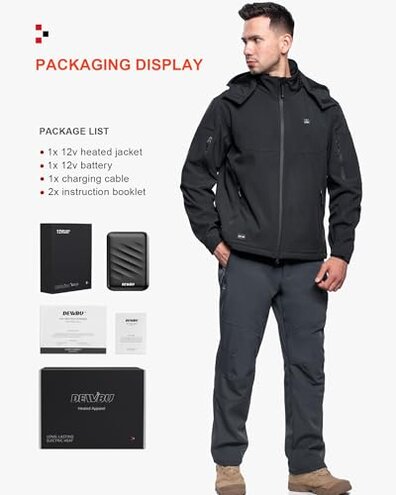
- Persistent gripe is that the battery pack adds bulk, which buyers notice during walking, driving, or sitting for long stretches.
- Usage context matters because the discomfort often shows up after the novelty wears off and the jacket becomes part of daily routine.
- Hidden requirement is accepting that heated comfort here also means planning where the battery sits and how often it needs charging.
- Impact can be more annoying than expected if you wanted a normal-feeling coat with invisible heating support.
- More than normal for the category, this setup seems to remind users it is a powered garment rather than just a jacket that happens to warm you.
- Fixability is limited because placement and pack size are part of the product experience, not a simple one-time setup issue.
- Secondary pattern makes this less common than runtime complaints, but more frustrating for buyers sensitive to weight and pocket bulk.
Do you expect wash-and-wear convenience?
- Real-world friction comes from care steps, especially after muddy, wet, or work-heavy days when buyers want quick cleanup.
- Recurring pattern is not outright failure, but extra caution during washing because battery removal and wire awareness add hassle.
- During ownership this becomes more noticeable with frequent winter use, since outerwear used often usually needs easier upkeep.
- Category baseline allows some care caution, but this can feel more upkeep than typical mid-range alternatives.
- Buyer impact is small each time, yet it stacks up into a routine annoyance over a full season.
- Attempted workaround is simply washing less often, which can be annoying if the jacket is used for work or outdoor chores.
- Frequency tier makes this a secondary issue, but it hits hardest for buyers expecting everyday coat convenience.
- Illustrative: “I can wash it, but it never feels like a simple toss-in jacket.” Secondary pattern.
Who should avoid this
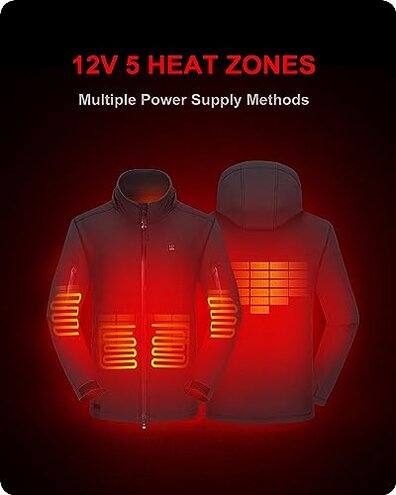
- Avoid it if you need heat through a long shift, game, or outdoor event without recharge planning.
- Skip it if online sizing already goes badly for you and you need room for winter layers.
- Not ideal if battery weight and pocket bulk annoy you faster than average.
- Pass if you want a coat that behaves like normal outerwear during washing and storage.
Who this is actually good for
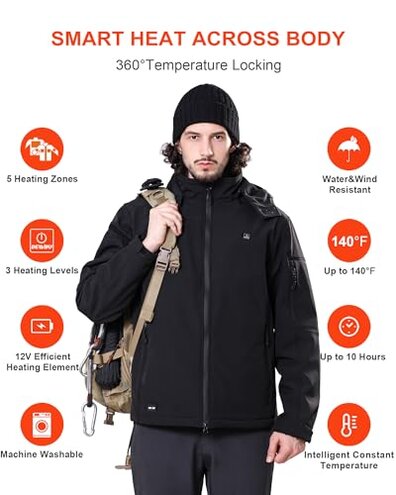
- Better fit for buyers using it in shorter cold bursts, where the limited high-heat session is easier to tolerate.
- Works better for people who value stronger initial warmth and do not mind charging another device daily.
- Makes sense for drivers, spectators, or casual users who can step indoors before battery stress becomes the main issue.
- Acceptable choice if you already expect some bulk and treat it as powered gear, not a normal jacket.
Expectation vs reality
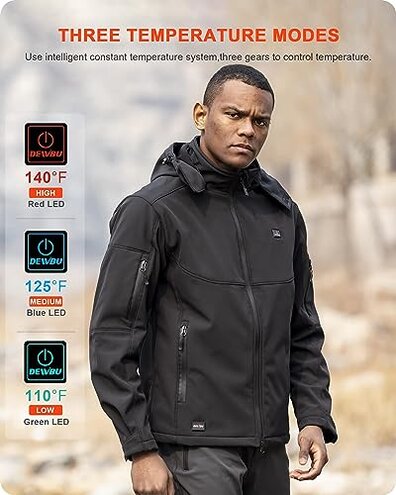
Expectation: A heated jacket should cut down cold-weather hassle.
Reality: Battery planning becomes part of the routine, especially on stronger settings and longer outings.
Expectation: A winter coat in your size should handle layering without much guesswork.
Reality: Fit uncertainty can show up quickly once you add the clothes most buyers wear in real cold.
Reasonable for this category: Some extra washing care is normal.
Worse than expected: Routine upkeep feels more noticeable when the jacket is used often and cleaned often.
Illustrative: “I wanted a jacket with heat, not another thing to manage every day.” Primary pattern.
Safer alternatives
- Prioritize runtime over max temperature if you need dependable heat for long outdoor sessions.
- Choose sizing from brands with clearer layering guidance if your winter clothing changes from day to day.
- Look for lighter systems if you already dislike bulky pockets, waist packs, or heavy accessories.
- Prefer simpler care if the jacket will be workwear, since frequent washing makes extra steps more annoying.
- Match usage to reality by buying heated outerwear only if you are comfortable charging and monitoring battery-powered clothing.
The bottom line
Main regret is not that the jacket fails to heat, but that the heat can come with more battery management, fit guesswork, and routine hassle than expected. Those problems exceed normal category risk because they show up during everyday use, not just edge cases. Verdict: avoid it if you need long, low-hassle warmth; consider it only if short sessions and battery upkeep already sound acceptable.
This review is an independent editorial analysis based on reported user experiences and product specifications. NegReview.com does not sell products.