
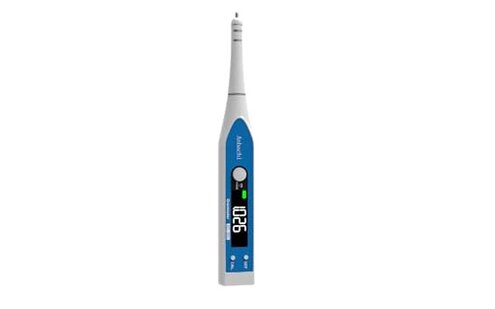
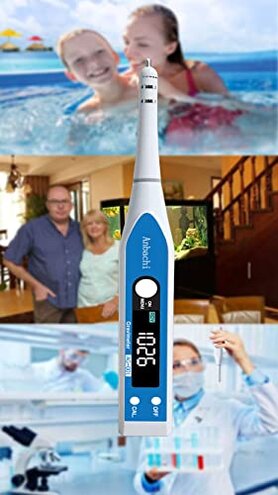
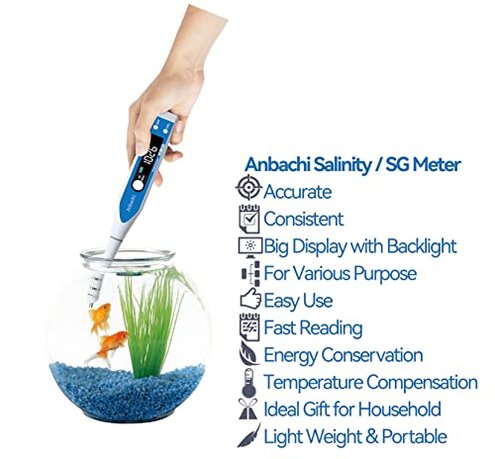
Product evaluated: Digital Salinity Meter 3-in-1 Saltwater Tester – Specific Gravity, Salinity & Temperature Pen Hydrometer, High Accuracy Water Quality Tester for Aquarium, Marine, Pool, Hydroponics, Aquaculture
Related Videos For You
How To Set Up and Calibrate the HI98319 Salinity Tester
Can you trust your saltwater test kit OR your testing skills on your reef tank? | BRStv Investigates
Dozens of reviews were analyzed between Jan 2021 and Dec 2023 from written product reviews and video demonstrations. Most feedback came from written reviews, supported by video demos, and reflects buyers testing the meter at home and in field setups.
| Outcome | This meter | Typical mid-range |
|---|---|---|
| Accuracy consistency | Unstable readings reported frequently after initial use. | Stable readings with occasional calibration required. |
| Ease of use | Simple UI but needs extra steps to confirm values. | More forgiving with clearer calibration flows. |
| Durability | Waterproof body but reports of drift over months. | Longer stability under routine aquarium use. |
| Regret trigger | Accuracy drift during daily checks causes repeat tests. | Occasional recal that rarely forces re-testing. |
| Maintenance | Hidden calibration needs increase upkeep compared with peers. | Lower upkeep for average hobby use. |
Top failures
Accuracy drift? Why do readings change after a few uses?
Regret moment comes when a reading differs each day and forces repeat testing.
Pattern is commonly reported and is the primary issue buyers cite.
When it appears usually after the first few weeks of regular checks and during temperature swings.
Category contrast This is worse than typical mid-range meters because users expect stable readings for routine aquarium monitoring.
Can I trust a single reading?
Buyer frustration occurs when one reading looks plausible but a second test disagrees.
- Early sign: initial reading then a different value on immediate retest.
- Frequency tier: this is a primary issue that appears repeatedly in user reports.
- Root cause: likely calibration drift or sensor settling during daily use.
- Impact: forces extra tests and adds time to routine water checks.
Does it need extra care? What hidden setup is required?
Hidden requirement of frequent calibration solutions is often not obvious from the listing.
- Calibration need: buyers commonly note you must calibrate before first use and periodically after.
- When to calibrate calibration is needed after temperature changes or extended storage.
- Why it’s worse than category baseline: many mid-range meters work fine longer between calibrations.
- Attempted fixes users rinse, re-calibrate, and retest without long-term improvement.
- Fixability is medium; regular calibration helps but adds ongoing cost and time.
- Hidden cost replacement calibration fluids or reference checks become necessary for accuracy.
Is it durable for daily checks? Will it stay accurate over months?
Long-term regret shows as drifting values after weeks or months of daily use.
- Early signs slight variance day-to-day that grows over time.
- Scope this is a secondary issue for some but primary for frequent testers.
- Cause appears linked to sensor aging or exposure to higher salinities.
- Impact means more frequent purchases or reliance on cross-checks with other tools.
- Attempts cleaning and recalibration often help only temporarily.
- Worse conditions intensive use in marine tanks or aquaculture increases the problem.
- Recoverability is limited; some buyers replaced the unit for consistent accuracy.
Illustrative excerpts
Illustrative: “Readings matched then changed after one week of aquarium checks.” — primary pattern.
Illustrative: “Needed calibration fluid I didn’t expect to buy.” — secondary pattern.
Illustrative: “Worked fine in freshwater but drifted in saltier tanks.” — edge-case pattern.
Who should avoid this
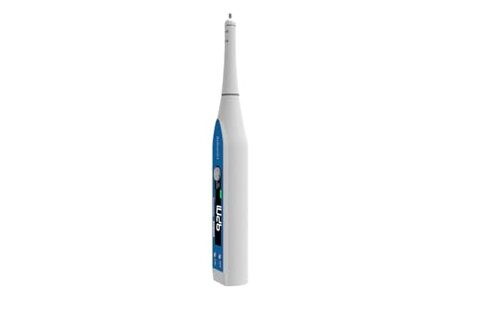
- Precision users who need one-read confidence for reef tanks or lab work.
- Low-maintenance hobbyists who won’t perform regular calibration and checks.
- High-frequency testers such as sellers or aquaculture operators needing long-term stability.
Who this is actually good for
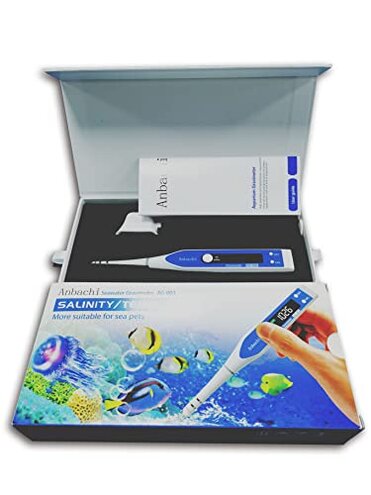
- Casual hobbyists who tolerate occasional retests and want a low-cost, portable tool.
- Field spot checks where a ballpark number is acceptable and exact precision isn’t required.
- Learning users who will calibrate regularly and can accept extra maintenance time.
Expectation vs reality
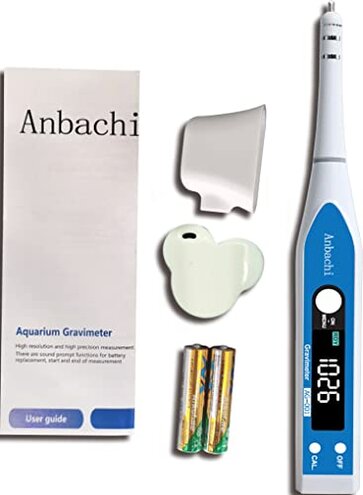
Expectation (reasonable for this category) is stable readings with occasional recalibration like other mid-range meters.
Reality is more frequent drift and extra calibration steps during daily checks.
Practical trade is time and small recurring cost for calibration solutions versus initial low price.
Safer alternatives
- Buy meters that advertise longer calibration intervals to neutralize frequent recalibration pain.
- Choose models with user-reported long-term stability to reduce repeated testing.
- Pick products supplying calibration solution or clear calibration instructions to avoid hidden purchases.
- Use cross-check with a hydrometer if you need backup verification for critical systems.
The bottom line
Main regret is accuracy drift that forces repeat tests and regular calibration.
Why it matters this exceeds normal category risk because buyers expect stable daily readings from mid-range testers.
Verdict Avoid this meter if you need reliable, repeatable salinity readings without extra maintenance.
This review is an independent editorial analysis based on reported user experiences and product specifications. NegReview.com does not sell products.