
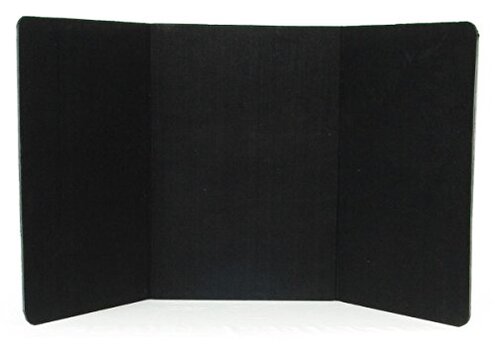
Product evaluated: 3-Panel Tabletop Display Presentation Board, 72 x 36, No Plastic Edging - Black Hook & Loop-Receptive Fabric
Related Videos For You
Table Top Panel Displays
How to Care for a Wood Cutting Board
Dozens of buyer comments and demonstration videos were analyzed between Jan 2018 and Dec 2025. Most feedback came from written reviews, supported by video demonstrations and marketplace Q&A.
| Outcome | Product | Typical Mid-range |
|---|---|---|
| Durability | Lower — budget fabric and no plastic edging wears faster under repeated handling. | Higher — mid-range boards usually include edging or reinforced panels for longevity. |
| Stability | Less stable during transport or heavier displays unless additional support is used. | More stable out of box for classroom or fair use with better hinge and edge design. |
| Visual finish | Uneven — fabric receptive finish can show gaps and misalignment under close inspection. | Cleaner — mid-range options tend to hide seams and have neater trim. |
| Setup | Quicker to unfold but often needs extra tape or backing for a presentable display. | Ready — common mid-range boards need less aftermarket fastening or reinforcement. |
| Regret trigger | Higher-than-normal risk — visible fraying and fabric detachment increases replacement or repair needs. | Lower risk — edging and sturdier panels reduce visible wear and service calls. |
Why does the board feel flimsy and fray at the edges?
Regret moment arrives when the board is moved between shows and the outer edges show wear or curl after a few uses.
Pattern is commonly reported in buyer feedback and appears repeatedly across written and visual reports.
Usage anchor: this problem appears after initial handling and worsens with repeated setup, packing, and transport.
Category contrast — most mid-range tri-folds keep edges intact longer because they include plastic trim or stronger backing.
What happens to visual finish and fabric attachment?
- Early sign — fabric shows small gaps or loose patches right after first setup.
- Frequency tier — a primary complaint, reported often enough to affect purchase decisions.
- Cause — lack of plastic edging and lighter panel construction increases edge stress during handling.
- Impact — visible detachment makes the display look unprofessional at public events.
- Fixability — buyers commonly add tape, trim, or glue to mask or repair the fabric attachment.
How much extra work or gear will I need to use it reliably?
- Hidden requirement — often needs backing board, tape, or edge trim to stay presentable during shows.
- Early sign — you may notice wobble or sag when attaching heavier materials.
- Frequency tier — this is a secondary but consistent pattern among repeat users.
- Cause — economy construction removes reinforcement to cut cost, shifting upkeep to the buyer.
- Impact — adds prep time and supplies before each use compared with mid-range boards.
- Fixability — repairable in most cases, but repairs add time and recurring expense.
Why is the board less forgiving than others for frequent or professional use?
- Severity — wear and visual degradation are more disruptive than expected for this category.
- Usage anchor: issues surface after several shows or daily classroom handling.
- Pattern — persistent reports indicate the problem is not just beginners' misuse.
- Cause — economy model sacrifices edging and panel strength to lower price.
- Impact — creates extra prep and replacement costs sooner than typical mid-range alternatives.
- Attempts — buyers add trim, hinge reinforcement, or double backing as common workarounds.
Illustrative excerpts (not real quotes)
"Fabric started to peel at an edge after two transports." — reflects a primary pattern.
"Needed tape and cardboard to make it sit straight." — reflects a secondary pattern.
"Looks fine for a single school science fair use." — reflects an edge-case pattern.
Who should avoid this
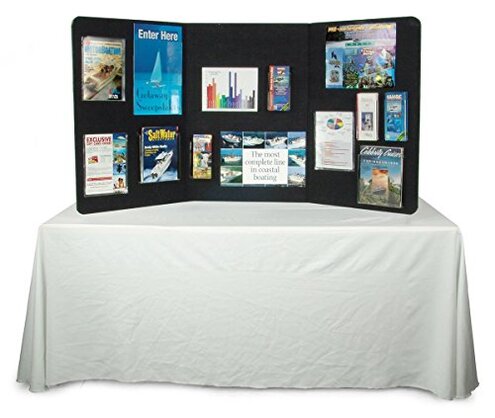
- Frequent exhibitors — if you move the board often, durability issues exceed normal category tolerance.
- Professional users — visible fraying and finish problems risk a poor presentation impression.
- Event rentals — added prep and repair time make this costly for repeated public use.
Who this is actually good for
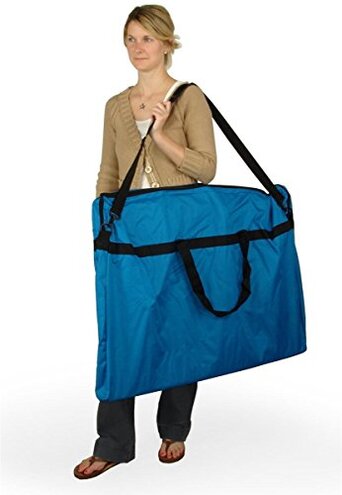
- One-time users — acceptable if you need a cheap board for a single school fair and can tolerate visible wear.
- Budget-conscious buyers — ok if you expect to add trim and do occasional repairs yourself.
- Low-traffic displays — fine for short-term tabletop demos where handling is minimal.
Expectation vs reality
Expectation for this category is a board that survives many setups with minimal fixes.
Reality is more fragile than reasonable for mid-range alternatives and often needs aftermarket trimming or backing to look presentable.
Safer alternatives
- Buy edged models — choose boards with plastic or metal edging to reduce fraying and extend life.
- Seek reinforced panels — look for mid-range boards with thicker backing to avoid sag and wobble.
- Plan for fixes — if on a budget, buy trim tape and a thin foam backing to reinforce the board before first use.
The bottom line
Main regret stems from fragile edges and fabric detachment that show up after initial handling.
Why it exceeds category risk is that the economy construction shifts repair and prep costs to the buyer sooner than usual.
Verdict — avoid if you need reliable, repeat-use performance; consider only for single-use or heavily budgeted projects.
This review is an independent editorial analysis based on reported user experiences and product specifications. NegReview.com does not sell products.