
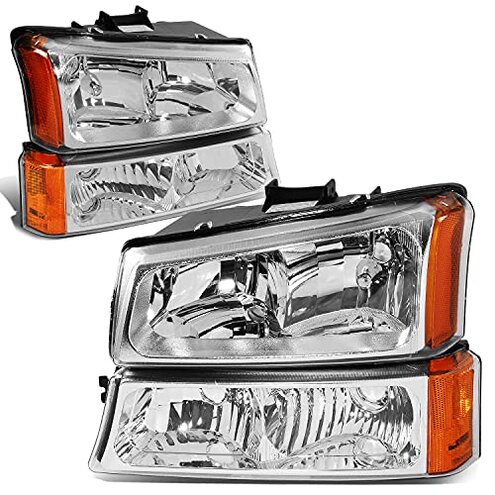
Product evaluated: DNA MOTORING Pair Headlight Assembly Compatible with 2003-2006 Chevy Silverado 1500 2500 3500 1500 HD 2500 HD Avalanche 1500 2500, w/o Factory Cladding, Chrome/Amber, HL-OH-CS03-4P-CH-AM
Related Videos For You
Headlight Replacement Chevrolet Truck 88-98
How to install H4 LED headlight with projector lens?
Data basis: This report draws on dozens of buyer reports and visual demos gathered between 2018 and 2025, with most feedback from written reviews and supported by video demonstrations and Q&A posts.
| Outcome | DNA MOTORING | Typical mid-range alternative |
|---|---|---|
| Fit / Compatibility | Higher risk — commonly reported fit gaps on certain Silverado/Avalanche trims. | Lower risk — most mid-range units offer closer OE fit and clearer vehicle-match guides. |
| Installation effort | Hidden steps — no instructions and missing hardware often add installer time. | Simpler — competitors usually include clips, screws, and instructions for DIY install. |
| Reliability | Mixed — reported early failure and fogging are a secondary concern in real use. | Typical — mid-range parts usually show steadier longevity for daily drivers. |
| Lighting performance | Limited — bulbs not included and alignment issues reduce usable beam output initially. | Better out-of-box — many rivals include clearer bulb recommendations and better beam alignment. |
| Regret trigger | Fit failure — buyer regret usually happens at first fit check and during road alignment. | Less likely — a mid-range alternative typically causes fewer immediate fit surprises. |
Top failures
Does this actually fit your Silverado or Avalanche without surprises?
Fit complaints are among the most common complaints and appear repeatedly across buyer reports.
Usage anchor: The issue typically appears at first install and during final alignment checks on the vehicle.
Category contrast: This is worse than expected because most comparable mid-range headlight assemblies match OE openings more reliably.
Are you ready to deal with missing parts and no instructions?
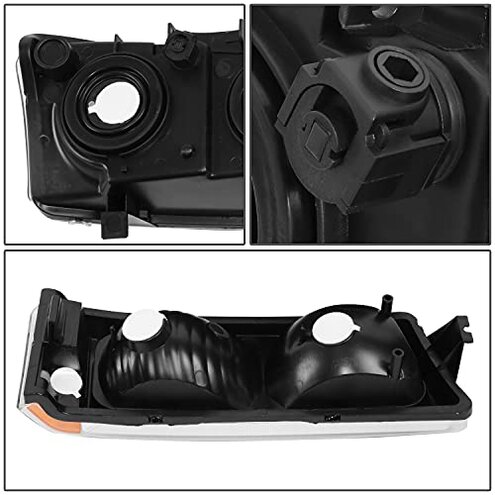
- Early sign: Buyers commonly report arriving with no installation guide and no mounting clips.
- Frequency tier: This is a primary issue for many buyers who attempted DIY installs.
- Likely cause: The unit is sold as a plug-and-play copy but omits extra fasteners and notes about trim removal.
- Impact: Missing hardware adds extra time and may force a shop visit, increasing total cost.
- Fixability: Some users solved it by sourcing OE clips, but that requires extra parts and time.
Will these last through daily use or fog up prematurely?
- Pattern: Durability concerns are a secondary issue that shows up after weeks to months of use.
- When it appears: Problems often emerge after exposure to road moisture or repeated wash cycles.
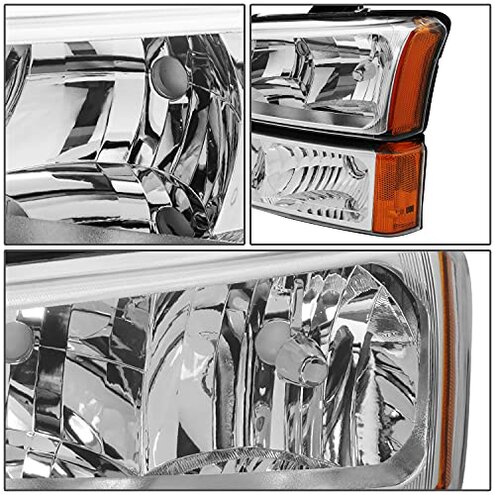
- Cause signal: Buyers point to seal and lens quality as contributors to early fogging or water ingress.
- Real impact: Fogging or leaks reduce beam clarity and require resealing or replacement earlier than expected.
- Severity cue: Less frequent than fit issues but more disruptive than typical mid-range alternatives when it occurs.
- Attempts: Some users report temporary fixes like silicone sealant, which adds maintenance time and cost.
- Hidden requirement: Expect to check seals and rework them after installation to avoid future leaks.
Do these lights give usable beam output and include needed bulbs?
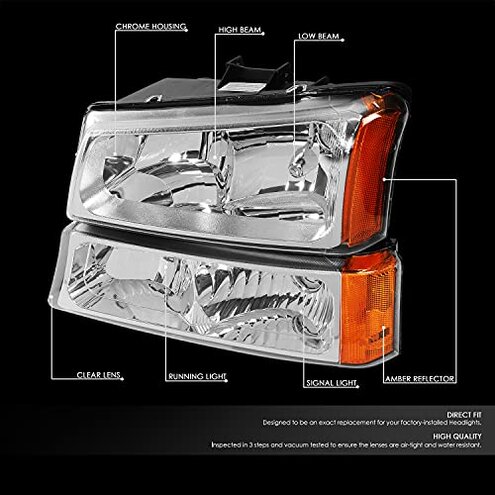
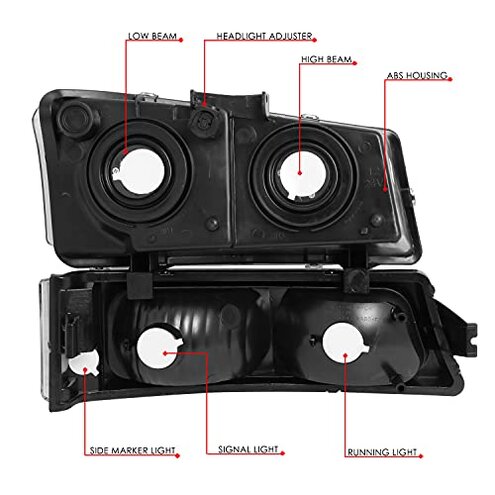
- Primary flaw: Bulbs are not included, which is a common surprise at unboxing for buyers expecting complete kits.
- Usage anchor: The problem is obvious at initial setup when the head unit is mounted but unlit.
- Performance hit: Improper alignment from tight or loose fit reduces usable beam and can require extra alignment time.
- Frequency: This is a primary and commonly reported friction point for buyers who value out-of-box readiness.
- Cause: The listing notes bulbs are excluded, but many buyers still expected a ready-to-run assembly.
- Impact: You may need to buy bulbs and an alignment session, adding to final cost and installation time.
- Category contrast: Mid-range alternatives often include bulbs or clearer wiring adapters, reducing setup steps.
- Fixability: Professional installers can adapt and align, but that reduces the budget advantage of this unit.
Illustrative excerpts
Illustrative: "Headlights arrived without clips; they don't sit flush on truck." — Primary pattern.
Illustrative: "Fog appeared after a few weeks of rain and highway driving." — Secondary pattern.
Illustrative: "No bulbs included; had to buy and re-align everything." — Primary pattern.
Who should avoid this
- DIY novices who expect a complete plug-and-play kit and cannot handle unexpected fit adjustments.
- Owners of rare trims where fit gaps are more likely and who cannot accept trim modifications.
- Drivers wanting low-maintenance parts who cannot spend extra time resealing or chasing leaks after install.
Who this is actually good for
- Experienced installers who accept added steps and can source missing clips and align headlights themselves.
- Budget restorers who prioritize price and are willing to add bulbs and fasteners for a low-cost swap.
- Show vehicles where cosmetics matter more than long-term daily reliability and where the owner plans frequent checks.
Expectation vs reality
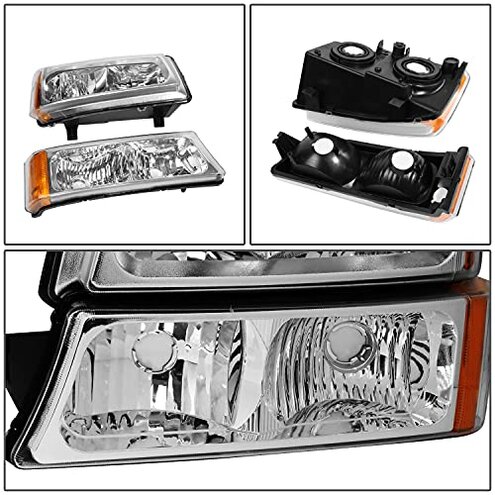
Expectation (reasonable for this category): Buyers expect a headlight that mounts with minor trim moves and minimal extra parts.
Reality: Many buyers face fit gaps or missing hardware that demand extra parts, alignment, or a professional installer.
Safer alternatives
- Buy OE-compatible kits that list included clips and bulbs to eliminate the common missing-hardware failure.
- Choose units with clear fit guides that match your exact trim to reduce first-install surprises.
- Budget for shop time when the listing warns "no instructions" so you avoid surprise labor costs.
- Inspect seals on arrival and plan resealing if you cannot tolerate early fogging or leaks.
The bottom line
Main regret: The most consistent trigger is fit and missing parts at first install, which creates immediate buyer frustration.
Why it matters: These failures exceed normal category risk because they add time, cost, and often require professional fixes.
Verdict: Avoid this unit unless you accept extra installation work, sourcing parts, or paid alignment to get correct results.
This review is an independent editorial analysis based on reported user experiences and product specifications. NegReview.com does not sell products.