
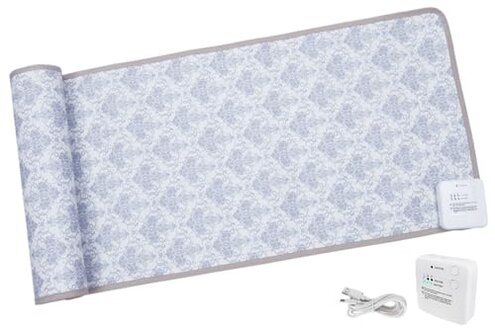
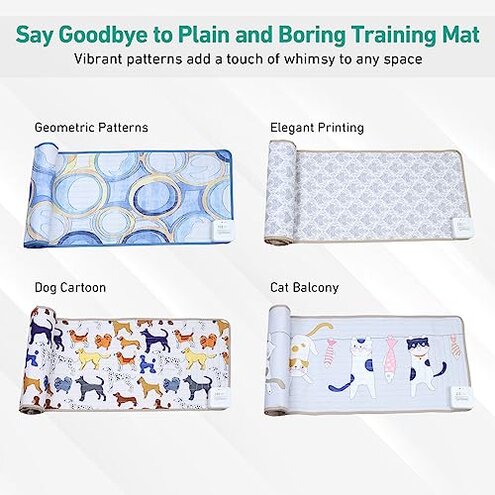
Product evaluated: DOGNESS Rechargeable Pet Shock Mat, 31"x15" Safe Cat Repellent Mat Electronic Training Pads Keep Dogs and Cats Off Couch, Bed, Indoor Cat Deterrent Mat (Geometric Patterns)
Related Videos For You
BEST PET TRAINING MAT - Dog Care Pet Shock Mat for Cats Dogs Review
Arlington homeowner faces backlash for using 'spike mats' to keep pets out of yard | FOX 5 DC
Data basis: This report summarizes feedback from dozens of written reviews and video demonstrations collected between Jan 2024 and Jan 2026, with most feedback coming from written buyer comments supported by multiple demonstration clips and Q&A posts.
| Outcome | DOGNESS Mat | Typical Mid‑Range Mat |
|---|---|---|
| Deterrent consistency | Inconsistent shocks reported, less reliable at first use. | Mostly consistent single‑mode delivery; fewer surprises. |
| Battery & charging | Rechargeable but commonly reported short life and charging hassles. | Replaceable batteries or longer‑lasting recharge in similar price range. |
| Cleaning & upkeep | Mat washable but battery compartment not washable, adding hidden steps. | Better access for cleaning without removing electronics on many rivals. |
| Pet reaction & safety | Mixed acceptance; some pets show stress or ignore pulses. | More predictable behavior change in average mid‑range alternatives. |
| Regret trigger | Primary risk: inconsistent shock + auto shutoff makes training fail. | Lower risk: steady deterrent keeps training predictable. |
Why does the mat sometimes not deter my pet?
Inconsistent shocks are among the most common complaints and lead to training failure.
Usage moment: Buyers report the issue on first use and during daily sessions, especially when pets step lightly or on edge areas.
Category contrast: This feels worse than expected because many mid‑range mats deliver a single reliable stimulus, while this mat's pulses can vary, making behavior change slower and more frustrating.
Why does charging and auto‑safety cause problems?
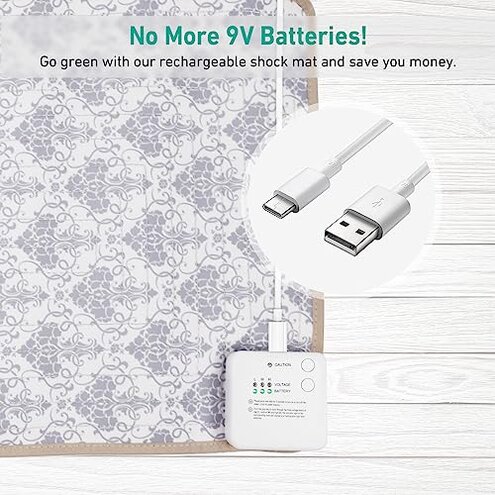
- Battery life — Rechargeable battery commonly reported to drain faster than expected, a secondary issue during daily use.
- Auto shutoff — Unit auto‑deactivates after consecutive shocks, which buyers say interrupts training sessions.
- Charging hassle — Some users report longer than expected charging times and unclear indicator behavior.
- Replacement cost — Rechargeable design means unexpected downtime and extra steps versus replaceable battery models.
- Pattern signal — These battery problems appear repeatedly and are more disruptive than typical for this category.
Why is cleaning and setup more work than it looks?
- Wash warning — The mat is labeled washable but the battery compartment is not washable, a hidden requirement buyers often miss.
- Prep steps — Users must remove or secure electronics before washing, adding extra time and care.
- Durability concern — Repeated washing and handling around the connector is commonly reported to loosen contacts.
- Replacement impact — Damage from washing can reduce mat life, making upkeep costlier than most mid‑range options.
- Early signs — Buyers notice loose seams or connector wobble after a few wash cycles.
- Fixability — Repairs require drying and careful reassembly, which many buyers consider impractical.
Will my pet accept the mat or show stress?
- Variable reactions — Some pets learn quickly while others ignore or show stress; this is a secondary but real pattern.
- When it appears — Reactions often show during the first week of training and can persist if stimulus is inconsistent.
- Stress signs — Buyers report avoidance, vocalizing, or agitation in a subset of pets when pulses occur.
- Effectiveness trade‑off — For some pets, inconsistent pulses reduce training and increase anxiety versus steady deterrents.
- Owner effort — Successful use often requires additional training and monitoring, adding time and oversight.
- Secondary fixes — Many buyers combine the mat with verbal cues or barriers to reduce stress and improve results.
- Scope signal — Pet stress reports are less frequent than battery complaints but more impactful when they occur.
Illustrative excerpts
Excerpt: "Shock felt inconsistent; my dog learned to step on the edge." — Primary pattern.
Excerpt: "Battery died after a few days despite full charge." — Secondary pattern.
Excerpt: "Had to remove electronics every wash; connector loosened." — Secondary pattern.
Excerpt: "My cat was frightened and avoided the room." — Edge‑case pattern.
Who should avoid this
- Owners needing reliable results — If you expect consistent deterrence from day one, this product's primary inconsistency risk is higher than typical.
- Households with many cleaning cycles — If you plan frequent washing, the non‑washable battery area and durability complaints create extra maintenance.
- Pet owners sensitive to stress — If your pet reacts strongly to aversive stimuli, inconsistent pulses can increase anxiety instead of correcting behavior.
Who this is actually good for

- Budget buyers willing to monitor — If you can accept extra setup and supervision, the lower price may outweigh the inconsistent pulses.
- Short‑term training goals — If you need a temporary deterrent and can supplement with verbal cues, the mat can be serviceable.
- Single‑pet households with calm animals — Pets that respond predictably to mild stimuli are more likely to tolerate the mat's quirks.
Expectation vs reality
Expectation: Reasonable for this category is a predictable deterrent that trains pets in days.
Reality: The mat often delivers inconsistent pulses, making training slower and requiring extra owner effort.
Expectation: Rechargeable means convenient power.
Reality: Rechargeable design here commonly causes downtime, longer charges, and maintenance hassles compared with replaceable batteries in similar items.
Safer alternatives
- Choose stable stimulus — Look for mats that advertise single‑mode, consistent delivery to avoid the primary inconsistency issue.
- Prefer replaceable power — Consider models with replaceable batteries to eliminate long charging downtime.
- Check cleaning access — Buy mats where electronics are easy to remove or fully sealed to avoid hidden wash steps.
- Combine methods — Use physical barriers or clicker training alongside a mat to reduce pet stress and boost effectiveness.
The bottom line
Main regret trigger: Inconsistent shocks and the auto shutoff create training interruptions and wasted effort.
Why worse than normal: Battery and washability issues add upkeep and downtime not typical for mid‑range deterrent mats.
Verdict: Avoid if you need reliable, low‑maintenance deterrence; consider it only if you accept extra setup and monitoring.
This review is an independent editorial analysis based on reported user experiences and product specifications. NegReview.com does not sell products.