
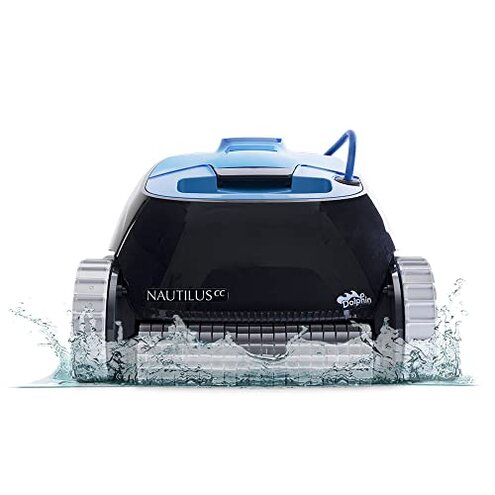
Product evaluated: Dolphin Nautilus CC Automatic Robotic Pool Vacuum Cleaner, Wall Climbing Scrubber Brush, Top Load Filter Access, Ideal for Above/In-Ground Pools up to 33 FT in Length
Related Videos For You
How to use Maytronics Power Supply for Dolphin Pool Cleaners
How-to Tune-up or Repair your Maytronics Dolphin Nautilus Plus Robotic Pool Cleaner
Data basis: This report is based on hundreds of user accounts and demonstrations collected through written reviews and video demonstrations, gathered through mid 2024. Most feedback came from written reviews, supported by videos and Q&A posts.
| Outcome | Dolphin Nautilus CC | Typical mid-range cleaner |
|---|---|---|
| Cleaning reach | Misses waterline regularly; does not clean the waterline by design. | Often cleans to the waterline or has targeted waterline modes. |
| Maintenance | Higher upkeep with frequent top-filter cleaning reported after runs. | Moderate upkeep expected for mid-range options with larger cartridges. |
| Tangle & stoppage | More prone to cable tangles and pauses during normal cycles. | Less prone because some competitors use anti-tangle cables or swivel bases. |
| Repair hassle | Service friction and part costs appear more disruptive than category norm. | Easier support from models with broader third-party part availability. |
| Regret trigger | Higher-than-normal risk for buyers wanting low-maintenance, full-surface cleaning. | Lower risk if you accept routine cleaning and occasional touch-ups. |
Waterline cleaning? Why doesn't it reach the waterline?
Regret moment: You notice a dirty ring at the pool edge after the robot finishes a cycle.
Pattern: This is a recurring complaint that appears repeatedly in buyer reports.
Usage anchor: The issue appears during normal cycles and is visible on first use.
Category contrast: Most mid-range cleaners either reach the waterline or include a waterline mode, so missing it feels worse than typical.
Filter clogging? Why does it need constant clearing?
- Early sign: Debris-filled top basket after every 1–2 runs, commonly reported.
- Frequency tier: This is a primary issue for users wanting low-maintenance solutions.
- Likely cause: Top-load filter design fills quickly with leaves and fine debris.
- Impact: Requires stopping the cycle, removing the unit, and rinsing the filter more often than expected.
- Fixability: Cleaning is straightforward but adds extra time and effort to each session.
Stops or tangles? Why does it lose progress mid-cycle?
- Pattern: Cable tangles and pauses show up persistently across many user accounts.
- Usage anchor: Problems occur during normal runs, especially in pools with steps or ladders.
- Early sign: Robot stops mid-cycle or winds cable around fixtures after the first run.
- Cause: Long, non-swiveling cable and active climbing behavior increase snag risk.
- Impact: Interrupted cleaning forces manual untangling and restarts, adding extra handling time.
- Category contrast: More disruptive than many mid-range robots that use anti-tangle systems.
- Hidden need: Frequent monitoring or pre-positioning the cable reduces tangles but adds a setup step buyers often miss.
Repairs and parts? Why is fixing one expensive or slow?
- Pattern: Repair and replacement reports are less frequent but persistent for several buyers.
- Usage anchor: Issues surface after months of use or when motors/brushes wear down.
- Early sign: Decreased suction, weaker scrubbing, or odd noises with extended use.
- Cause: Wear on moving parts and limited third-party part options raise ownership cost.
- Impact: Downtime while awaiting parts or service can last multiple pool-maintenance cycles.
- Attempts: Users report temporary fixes like manual cleaning or part swaps that only partially help.
- Category contrast: This model feels less forgiving than typical mid-range cleaners for long-term durability.
- Hidden requirement: Registering and keeping purchase records is often needed for smoother warranty service.
Illustrative excerpts
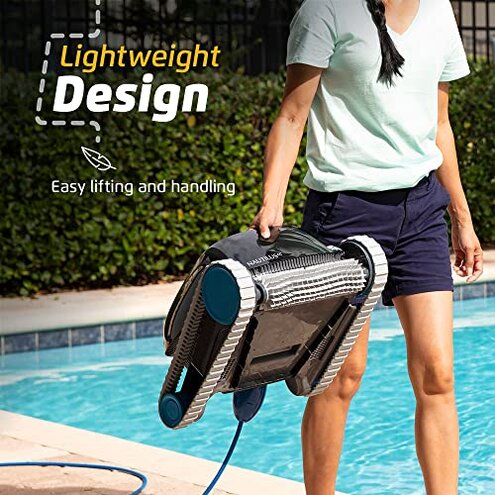
Excerpt: "Leaves filled the top basket after every run, so I had to stop and rinse." — primary pattern
Excerpt: "It missed the waterline completely even on week one—still a dirty ring." — primary pattern
Excerpt: "Cable wrapped around the ladder twice in one cleaning." — secondary pattern
Excerpt: "After eight months it needed a motor part I couldn't find locally." — edge-case pattern
Who should avoid this
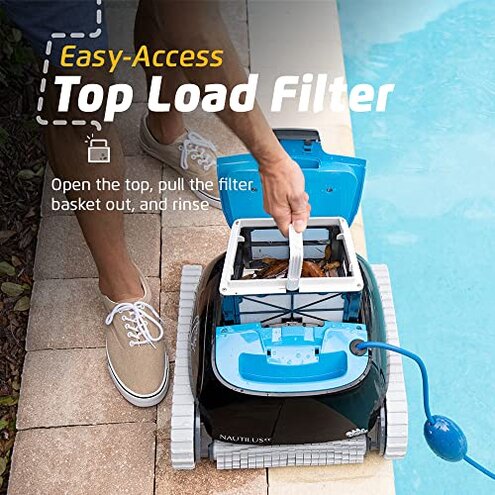
- Low-maintenance seekers: Buyers wanting minimal hands-on upkeep should avoid this model because of frequent filter cleaning.
- Waterline purists: Those needing full waterline scrubbing should avoid it, since it does not clean the waterline.
- Unsupervised users: People who can't monitor runs should avoid it due to tangle and stop risks.
Who this is actually good for
- Regularly supervised owners: If you plan to monitor cycles and clear filters, you can tolerate the upkeep and still get decent floor cleaning.
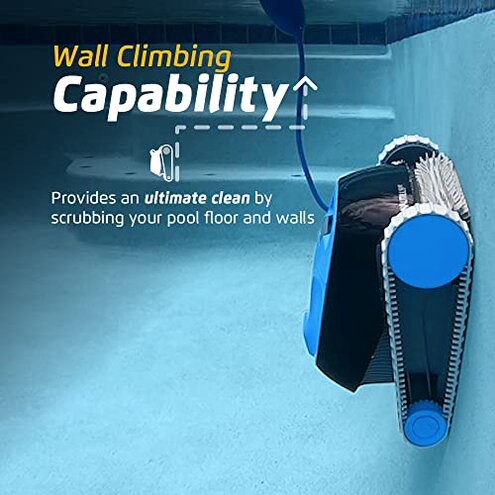
- Surface-focused buyers: Users who mainly want floor and wall scrubbing (not waterline) will value the strong wall climb feature.
- Seasonal users: Those who perform routine, hands-on pool maintenance won't mind the extra filter checks.
Expectation vs reality
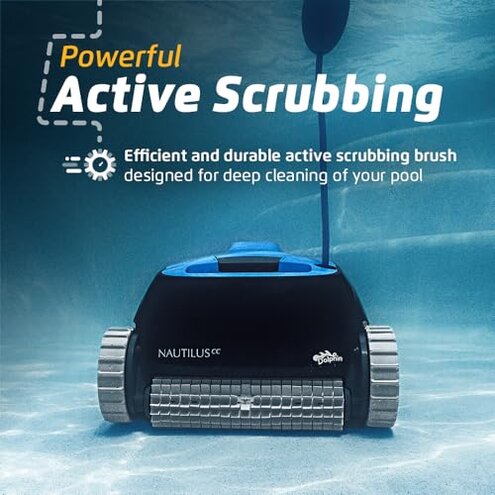
Expectation: Reasonable for this category is a plug-and-play robot that cleans floors and edges with low upkeep.
Reality: You get reliable floor scrubbing but a persistent waterline gap and more frequent filter work than expected.
Expectation: Many buyers expect occasional untangling only.
Reality: Tangling appears more often, especially if you do not pre-position the cable or monitor runs.
Safer alternatives
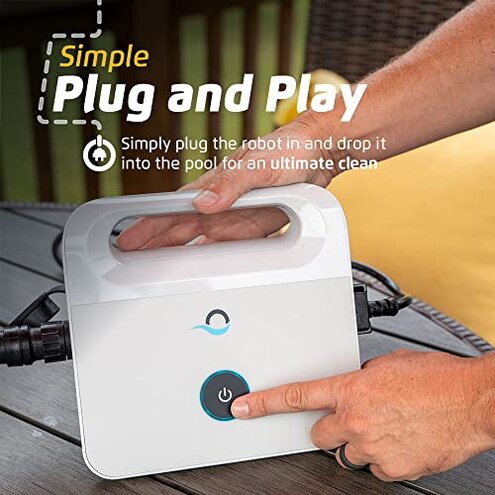
- Choose an anti-tangle model: Look for cleaners with swivel or anti-tangle cables to reduce mid-cycle stops and manual untangling.
- Prefer waterline-mode units: Pick models that advertise waterline cleaning if that finish matters to you.
- Check filter size: Favor robots with larger or multi-stage cartridges to cut down frequent filter emptying.
- Service access: Buy from brands with wide part availability and clear warranty processes to avoid long downtime.
The bottom line
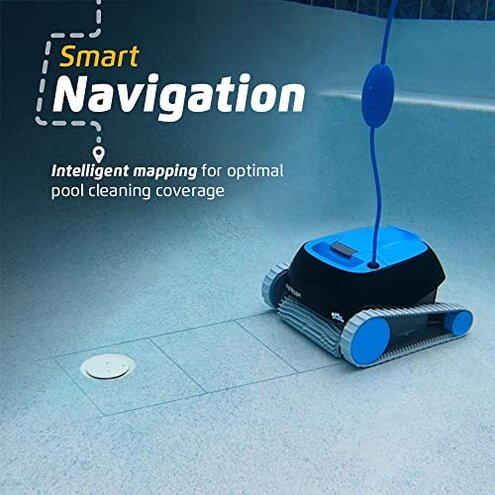
Main regret: The primary trigger is the model's waterline gap combined with higher-than-expected upkeep needs.
Why worse: These issues are more disruptive than typical mid-range cleaners because they add repeated hands-on steps and monitoring.
Verdict: Avoid this unit if you want low-maintenance, full-surface cleaning; consider alternatives with waterline modes and anti-tangle features.
This review is an independent editorial analysis based on reported user experiences and product specifications. NegReview.com does not sell products.