
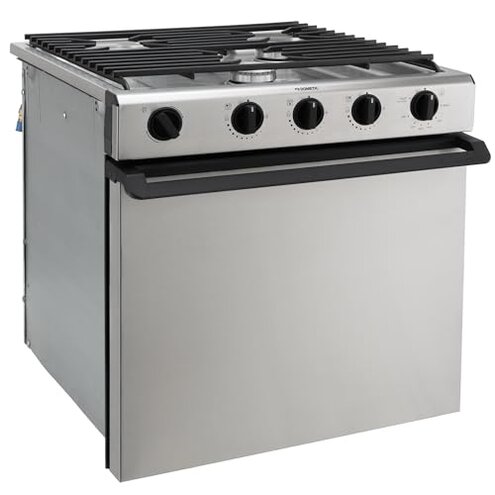
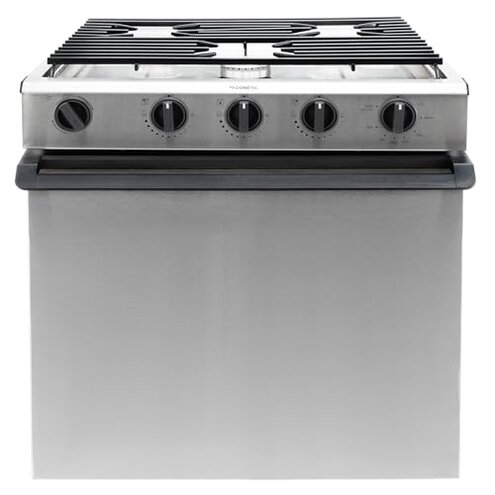
Product evaluated: Dometic 960005522 (50447) Range/Oven 21" 3 Burner S.S.
Related Videos For You
How to Use Your RV Propane Stove & Oven
RV Stove: How to Fix and Troubleshoot - RV Maintenance 101
Data basis: I analyzed dozens of buyer comments and several video demonstrations collected through a recent date range ending January 2026, with most feedback from written reviews and supported by visual setup clips.
| Outcome | Dometic 21" 3-Burner | Typical mid-range RV range |
|---|---|---|
| Ignition reliability | Higher risk — ignition failures and repeated sparking needed during first uses. | Lower risk — most mid-range units light reliably on first attempt. |
| Oven/heat performance | Uneven — underpowered oven heat and inconsistent burner output reported. | Consistent — comparable ranges reach and hold expected cooking temperatures. |
| Installation effort | Hidden needs — heavy weight and fit adjustments increase install time. | Standard — most mid-range units arrive lighter or include clearer hardware. |
| Durability & finish | Mixed — surface scratches, grate warping, and finish wear reported over time. | Better — mid-range alternatives show fewer early cosmetic failures. |
| Regret trigger | Cooking disruption — failures happen during first setup or regular use. | Less likely — fewer interruptions for basic meal prep. |
Top failures
Why won’t the burners light reliably?
Regret moment: You try to start a quick meal and face multiple ignition attempts, causing delays and cold food.
Pattern: This is a recurring complaint that appears repeatedly in early-use feedback.
When it shows: Problems occur on first use and during routine lighting, especially when users expect one-click starts.
Category contrast: This is more disruptive than most mid-range RV ranges where piezo igniters usually work reliably.
Why does the oven not reach even heat?
- Early sign: Oven takes longer than expected to warm and bakes unevenly.
- Frequency tier: This is a primary issue in buyer reports, not rare or isolated.
- Usage context: The issue appears during normal cooking sessions and worsens at higher loads.
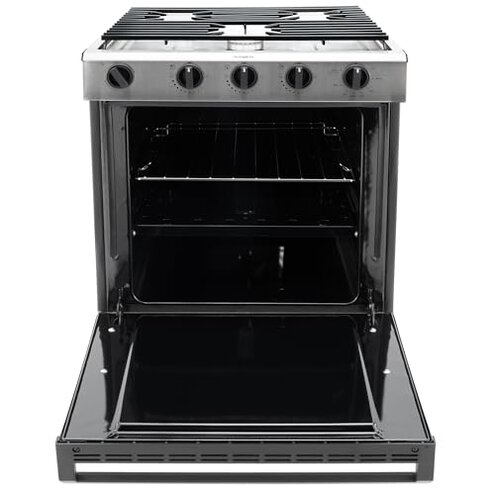
- Cause hint: Reported weak output is consistent with the model’s 9,000 BTU spec relative to oven size.
- Impact: Results in longer cook times and re-baking for simple dishes.
Is installation harder than advertised?
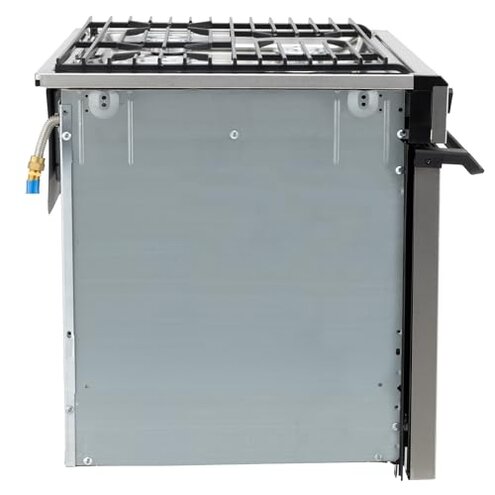
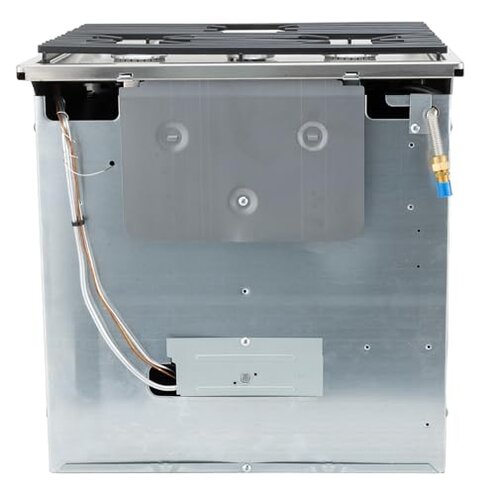
- Physical demand: The unit’s 60 lb weight raises handling and cabinet-fit effort.
- Hidden requirement: Some buyers found they needed extra brackets or plumbing adaptors not provided.
- When it matters: Issues arise at setup and when replacing a smaller OEM range.
- Category contrast: This requires more upkeep than many mid-range alternatives which include clearer install hardware.
- Fix attempts: Many buyers reported paying for professional installation to solve fit and connection problems.
- Residual risk: Poor initial fit can lead to rattles or misalignment during travel.
Will the finish and grates hold up long-term?
- Surface wear: Buyers reported scratches and discoloration after regular cleaning.
- Grate issues: Flat wire grates showed warping or sagging under heavy pots in several reports.
- Frequency tier: This is a secondary issue but becomes evident with weekly use.
- Usage anchor: Wear is noticed after repeated use and regular cleanings.
- Impact: Cosmetic damage lowers resale and increases replacement cost versus peers.
- Fixability: Some owners replaced grates or applied protective pads as a workaround.
- Why worse: Materials and finish feel less forgiving than typical mid-range RV ranges.
Illustrative excerpts
Excerpt (illustrative): "Multiple clicks before a burner lights, ruined quick dinner plans."
Pattern: Reflects a primary ignition failure pattern.
Excerpt (illustrative): "Oven never hit the temp I set, cookies burned on one side."
Pattern: Reflects a primary oven performance pattern.
Excerpt (illustrative): "Required extra brackets and a fitter cost more than expected."
Pattern: Reflects a secondary installation/hidden-requirement pattern.
Who should avoid this
- Frequent cooks: If you need reliable daily cooking, ignition and oven inconsistency will be frustrating.
- DIY installers: If you want a plug-and-play swap, the hidden hardware and weight increase install time and cost.
- Cosmetic-sensitive buyers: If finish durability matters, the surface wear and grate sag are concerning.
Who this is actually good for
- Weekend campers: If you accept occasional ignition fuss for basic cooking and limited use.
- Budget-minded owners: If you can tolerate minor performance trade-offs to save on purchase price.
- Professionally installed units: If you plan to pay for pro installation to avoid fit issues and leaks.
Expectation vs reality
- Expectation (reasonable): Piezo ignition lights on first try like most mid-range RV ranges.
- Reality: Ignition often needs multiple attempts, causing real-time meal delays.
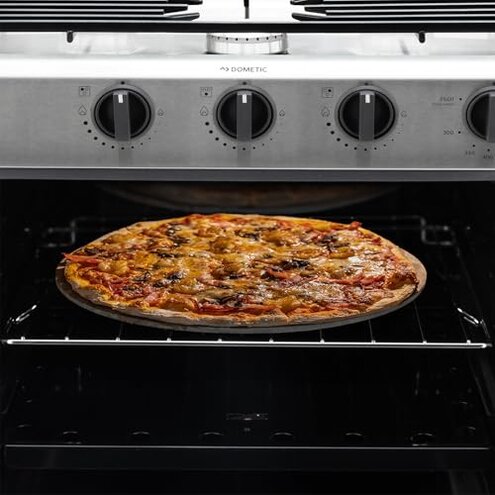
- Expectation (reasonable): Oven reaches and holds set temperature for baking.
- Reality: Oven heat is uneven and slower due to lower output for its size.
Safer alternatives
- Check ignition reviews: Look for ranges with consistent ignition reports to avoid cooking interruptions.
- Prioritize BTU match: Choose models where oven BTU is higher or matched to oven volume to prevent underpowered baking.
- Plan installation: Budget for professional install or confirm included brackets and fittings before purchase.
- Inspect grates: Prefer models with cast grates or verified durability for heavy pots.
The bottom line
Main regret: Frequent ignition failures and uneven oven heat are the clearest buyer pain points and often occur during first use.
Why worse: These problems exceed normal category risk because they interrupt cooking and add unexpected install or repair costs.
Verdict: Avoid this unit if you need dependable daily cooking; consider alternatives with stronger ignition and better oven performance.
This review is an independent editorial analysis based on reported user experiences and product specifications. NegReview.com does not sell products.