
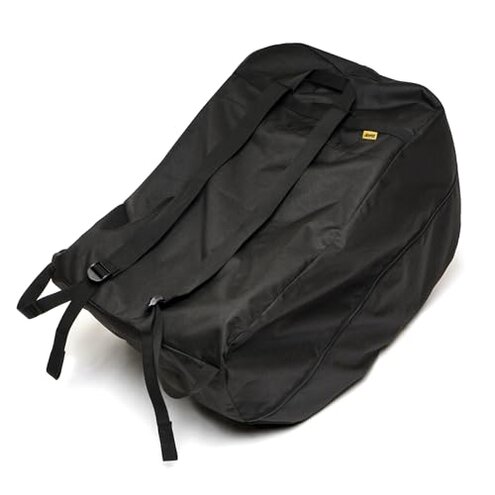
Product evaluated: DOONA Travel Bag, Black
Related Videos For You
how to use the bugaboo comfort transport bag
Gate Check Travel Bag for Standard & Double Strollers - CC1
Data basis: This report summarizes dozens of buyer comments gathered from written feedback and photo or video-backed impressions collected from 2024 to 2026. Most input came from written reviews, with added support from real-world travel demonstrations, which helps show what happens during airport handling and repeated packing.
| Buyer outcome | DOONA Travel Bag | Typical mid-range alternative |
|---|---|---|
| Protection during travel | Mixed; padding helps, but repeated complaints focus on wear during rough handling. | More predictable; basic protection is usually the minimum expectation. |
| Packing effort | Higher; fitting the stroller into the bag can add extra steps during gate check. | Moderate; many mid-range bags are less fussy for fast packing. |
| Durability risk | Higher-than-normal; this appears repeatedly and feels more disruptive than expected for this category. | Lower; wear can happen, but usually not as quickly. |
| Storage convenience | Good on paper; foldable storage is useful when not traveling. | Average; often bulkier, but sometimes sturdier. |
| Regret trigger | Paying more for a branded bag that still adds stress at airport handoff. | Lower; buyers expect fewer surprises at this price tier. |
Why does a travel bag feel worn out so quickly?
Primary issue: The biggest regret moment is seeing damage after a trip or two, especially after gate check or baggage handling. This appears repeatedly and is among the most common complaints for this product.
When it shows up: It tends to show up during real travel use, not while sitting in storage. It gets worse with frequent flights, rushed airport handling, and any trip where the bag is dragged or tossed around.
Category contrast: Travel bags always take abuse, but buyers commonly expect more forgiveness at this price. Here, the wear risk feels higher than normal for a padded bag sold for travel protection.
- Early sign: Fraying, seam stress, or scuffing can show up after limited airport use.
- Pattern: This is a recurring complaint, not a one-off edge case.
- Impact: Once the bag looks strained, confidence drops before the next trip.
- Fixability: Minor wear can be tolerated, but structural wear is hard to solve without replacing the bag.
Is getting the Doona into the bag more annoying than it should be?
- Secondary issue: Packing friction is less frequent than tearing complaints, but more frustrating when rushing through check-in.
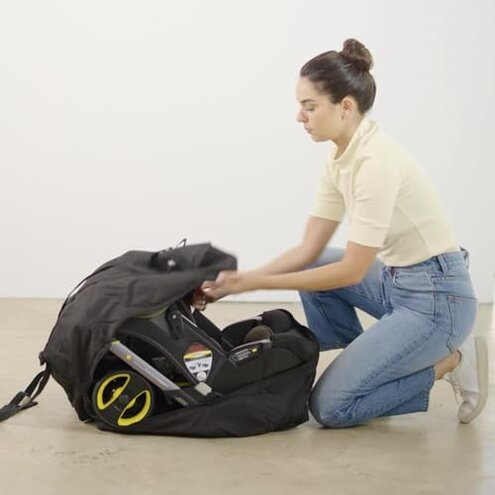
- Usage moment: The problem shows up at the airport, right when you need fast, simple loading.
- Pattern: Feedback commonly describes the fit as workable, but not as quick or smooth as buyers hoped.
- Cause: A close fit can protect the stroller, but it also leaves less room for easy loading.
- Impact: That can add extra steps and stress when a child, luggage, and boarding time are all competing for attention.
- Category contrast: Some effort is normal with travel covers, but this seems less forgiving than a typical mid-range option.
- Hidden requirement: Buyers may need more time, more careful alignment, or both, which is easy to underestimate before the first flight.
Does the premium price make the problems harder to forgive?
Primary frustration: At $60, buyers expect fewer compromises. When durability or packing ease falls short, the price becomes part of the regret, not just the product.
Pattern: This concern is persistent across value-focused feedback. It becomes sharper after first use, when the bag no longer feels like a one-time protection upgrade.
Category contrast: Cheap travel bags often cut corners, but a branded accessory at this price usually gets judged against sturdier mid-range alternatives. That is why the disappointment feels stronger than expected.
Is this really convenient for frequent travel?
- Edge-to-secondary issue: The foldable pouch is useful, but convenience complaints still appear repeatedly during actual trip days.
- When it matters: The hassle shows up when switching between carrying, storing, and repacking at airports or on road trips.
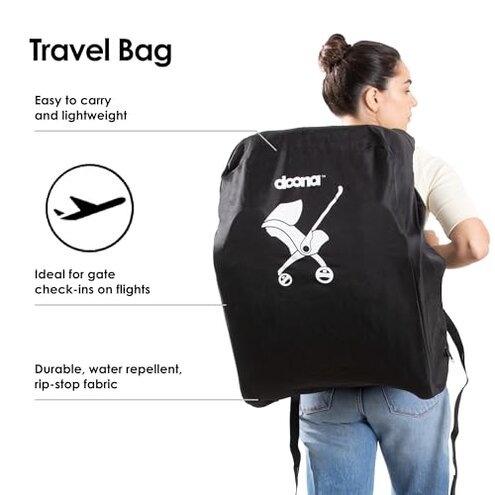
- Trade-off: Lightweight design helps portability, but buyers commonly feel that easy carrying does not fully offset the stress of use.
- Hidden limit: It works best if your priority is compact storage, not maximum toughness.
- Impact: For frequent flyers, that trade-off can become more annoying over time.
- Category contrast: Many travel bags ask you to choose between compactness and strength, but this one seems to lean harder toward storage convenience than some shoppers expect.
Illustrative excerpts
- Illustrative: “I expected airport protection, but it already looks beat up.” — Primary pattern.
- Illustrative: “Getting it inside fast at the gate was harder than I expected.” — Secondary pattern.
- Illustrative: “Nice idea, but the price made the wear more annoying.” — Primary pattern.
- Illustrative: “Compact to store, not as confidence-inspiring for repeat flights.” — Secondary pattern.
Who should avoid this
- Frequent flyers: Avoid it if your bag will face repeated gate checks or baggage handling, because durability concern appears repeatedly in that exact context.
- Time-pressed parents: Avoid it if you need one-step, low-stress packing at the airport.
- Value-focused buyers: Avoid it if $60 already feels high for an accessory and you expect clearly above-average toughness.
- Rough-travel users: Avoid it if your gear is often dragged, stacked, or handled hard during trips.
Who this is actually good for
- Occasional travelers: It can still fit if you travel rarely and can accept some wear risk for a branded, made-for-fit option.
- Storage-first buyers: It makes more sense if compact folding matters more to you than maximum durability.
- Careful handlers: It may work better if you can avoid rough baggage treatment and mostly need a cover for cleaner transport.
- Brand-match shoppers: It can suit buyers who prefer a dedicated accessory and are willing to tolerate tighter packing.
Expectation vs reality
Reasonable expectation: A padded travel bag should handle normal airport abuse better than a basic cover.
Reality: Feedback patterns suggest wear concerns are worse than expected for this category when trips become frequent.
- Expectation: A fitted bag should make travel simpler.
- Reality: The fitted design can also mean more fiddling during fast packing moments.
- Expectation: A branded accessory should feel safer than generic options.
- Reality: The price raises the disappointment when durability does not feel clearly superior.
Safer alternatives
- Prioritize reinforced seams: This directly reduces the fast-wear problem that appears repeatedly here.
- Look for easier loading shapes: A roomier opening can cut the gate-check packing stress.
- Choose abrasion-focused designs: This matters more than compact foldability if you fly often.
- Compare mid-range unbranded options: They may offer better toughness per dollar if brand matching is not important.
- Check real travel demos: Seeing airport handling in action helps catch hidden setup or packing requirements before buying.
The bottom line
Main regret trigger: Buyers pay a premium for protection, then run into durability concerns or travel-day hassle. That exceeds normal category risk because a travel bag is supposed to reduce airport stress, not add new points of failure.
Verdict: If you fly often or expect mid-range toughness for the money, this is a reasonable one to skip. It makes more sense only for lighter travel use where compact storage matters more than long-term durability.
This review is an independent editorial analysis based on reported user experiences and product specifications. NegReview.com does not sell products.