
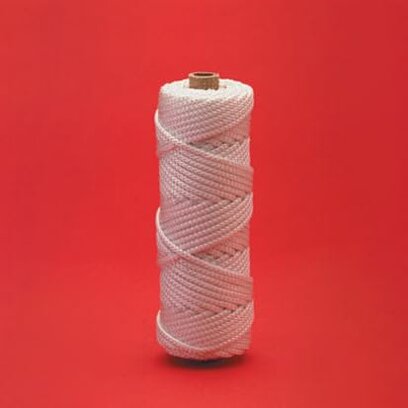
Product evaluated: Douglas HNLC Hockey Net Lacing Cord
Related Videos For You
Traditional Mesh: Hockey Net Assembly by WINNWELL HOCKEY
How to Lace And Tie A Hockey Net
Data basis: I analyzed dozens of buyer accounts across written reviews and video demonstrations collected between 2023 and 2025. Most feedback came from written reviews, supported by demo videos and Q&A notes.
| Metric | Douglas Cord | Typical Mid‑Range Cord |
|---|---|---|
| Durability | Higher breakage risk under repeated tension. | More consistent with fewer mid‑term failures. |
| Handleability | More tangling and spool management required. | Smoother out of the tube for most buyers. |
| Cold performance | Stiffens noticeably in cold conditions. | More forgiving for outdoor play in cold weather. |
| Value per length | Long spool but tradeoffs in durability. | Balanced length and lifespan for the price. |
| Regret trigger | Unexpected fraying/breakage during regular net repairs. | Less surprising wear; fewer mid‑season replacements. |
Top failures
Why does the cord fray or break so fast?
Fraying frustration: Many buyers report stress failures that create repair interruptions during routine net re‑lacing.
Pattern: This is the primary issue, commonly reported across written feedback and video checks.
Usage anchor: Failures typically appear after repeated tensioning during setup or after several games, not immediately out of the tube.
Category contrast: Worse than typical mid‑range cords because these breaks often require mid‑season replacement, adding time and cost.
Why is spool handling so annoying?
- Early sign: Tube binds or cord loops when first unspooling.
- Frequency tier: A secondary complaint seen repeatedly on written posts and demos.
- Cause: Braided finish plus tight winding seems to increase tangles when pulled quickly.
- Impact: Tangling adds extra setup time before lacing a net.
- Fix attempts: Buyers report manual detangling or rewinding as the main workaround.
Does the cord get stiff in cold weather?
- Early sign: Cord feels less flexible at low temperatures.
- Context anchor: Problem appears during outdoor winter use or in colder rinks.
- Frequency tier: This is a secondary but consistent report across regions.
- Cause: Material stiffening makes knots harder to set and hold.
- Impact: Results in longer setup and looser knots after play.
- Fixability: Warm water or room‑temp pre‑flexing helps but is an extra step.
Are there hidden tools or skills required?
- Hidden requirement: Users often need special knot technique or a clamp to keep tension while tying.
- Scope signal: Seen across both written reports and hands‑on videos.
- Early sign: Novice re‑lacers notice knots slipping during tensioning.
- Cause: The cord's finish does not hold simple overhand knots reliably under heavy load.
- Impact: Adds tools, time, or a helper for a complete job.
- Fix attempts: Buyers describe using clamps, doubled knots, or heat‑sealing ends.
- Category contrast: More hands‑on than mid‑range competitors that accept basic knots without extra gear.
- Repair cost: Mid‑season breakage forces replacement sooner than expected.
Illustrative excerpts (not real quotes)
Excerpt: "Frayed after a few weeks of weekend games, had to re‑lace twice." — Primary
Excerpt: "Tube tangled when I pulled it fast; wasted an hour untangling." — Secondary
Excerpt: "Needed a clamp to hold tension while I tied knots tight enough." — Secondary
Who should avoid this
- High‑use teams: Avoid if you need durable, worry‑free netting for frequent play.
- Solo installers: Avoid if you work alone and lack extra clamps or tools.
- Cold‑climate users: Avoid if you lace nets outdoors in freezing conditions.
Who this is actually good for
- Budget installers: Good if you value long spool length and accept extra maintenance.
- Occasional users: Works for infrequent repairs where breakage inconvenience is tolerable.
- People with helpers: Fine if you have an assistant to manage tension and knots during setup.
Expectation vs reality
Expectation: A mid‑range cord should offer steady durability for season use.
Reality: This cord shows more mid‑season failures and requires extra handling and tools.
Reasonable expectation: Buyers expect a spool to be usable out of the tube with minimal prep.
Reality contrast: Many buyers report untangling, pre‑flexing, or added knots before the spool is usable.
Safer alternatives
- Choose reinforced cords: Pick cords noted for higher break resistance to reduce mid‑season swaps.
- Look for pre‑wound spools: Prefer packaging that reduces tangles or offers anti‑twist features.
- Cold‑rated lines: Buy cords advertised for cold flexibility if you lace outdoors.
- Tool‑friendly kits: Use kits that include clamps or tensioners to avoid hidden tool needs.
The bottom line
Main regret: Frequent fraying and unexpected breaks disrupt mid‑season net repairs.
Why worse: The cord requires extra handling, tools, and prep compared with typical mid‑range options.
Verdict: Avoid this cord if you need reliable, low‑maintenance net lacing for regular play.
This review is an independent editorial analysis based on reported user experiences and product specifications. NegReview.com does not sell products.