
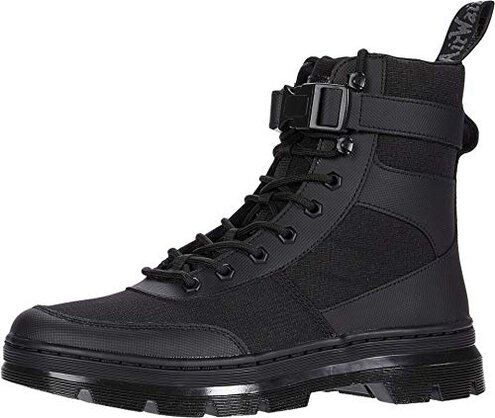
Product evaluated: Dr. Martens womens Lace Fashion Boot, Black Element & Black Poly Rip Stop, 11 Women 10 Men US
Related Videos For You
Easy Way To Break In New Boots
The basics of fit for lace-up Russells
Data basis: This review aggregates dozens of written reviews and several video demonstrations collected Dec 2024–Jan 2026. Most feedback came from buyer-written reports, supported by visual demos and post-sale comments. The sample skews toward recent purchasers and first-month use reports.
| Outcome | This boot | Typical mid-range boot |
|---|---|---|
| Break-in comfort | High risk — often painful during first days and worsens with long walks. | Lower risk — many competitors are wearable within hours or use light padding. |
| Sizing accuracy | Inconsistent — sizing variance appears repeatedly across buyers. | More predictable — mid-range boots usually match size charts closely. |
| Durability | Mixed — scuffing and stitching issues show up after weeks for some users. | Comparable — mid-range offers similar wear but fewer early defects. |
| Visual match | Photo gap — material and finish often look different in person. | Closer — alternatives typically match online images better. |
| Regret trigger | Immediate fit and pain — most decisive reason buyers return or complain. | Less severe — returns more often fit-based than pain-based. |
Top failures
Why is the first wear so uncomfortable?
Severity moment: Buyers report severe discomfort during first wears and the first week of use. The pain commonly appears at the heel and sides of the foot while walking longer than short errands.
Pattern: This is a primary issue and appears repeatedly across reports. It shows up on first use and intensifies with long walking sessions, not just occasional standing.
Category contrast: Most mid-range fashion boots are wearable immediately or after one easy day of wear. This boot is noticeably less forgiving, causing real regret for buyers expecting ready comfort.
Why does sizing feel unpredictable?
- Early sign: You may notice the toe feels tight at first try, even when ordering your usual size.
- Frequency: This is a primary complaint and appears repeatedly across size ranges and genders.
- When it appears: Problems show up on first try and after a few days once the leather settles.
- Cause: The fit seems narrow and the boot runs inconsistently compared with standard sizing charts.
- Impact: Ill fit leads to returns or added costs for exchanges and insoles.
Will these boots scuff or show stitching problems quickly?
- Primary pattern: Durability concerns are a secondary but recurring issue across early ownership reports.
- Usage anchor: Scuffs, edge wear, or loose stitching commonly appear after daily wear for weeks.
- Frequency tier: Less frequent than fit complaints but more frustrating when it occurs during early use.
- Visual impact: Surface finish often looks duller or different than product photos right out of the box.
- Attempts: Buyers report using polish or leather care, which adds maintenance time and cost.
- Fixability: Some issues require retailer returns or cobbler repair, not just surface care.
- Hidden requirement: Regular conditioning is effectively required to keep appearance acceptable.
Are these boots heavier and stiffer than expected?
- Common effect: Many buyers notice a heavier, stiffer feel during daily wear and long walks.
- When it matters: The weight and stiffness worsen during multi-hour use or commuting on foot.
- Category contrast: This is worse than typical mid-range fashion boots, which often prioritize lighter materials.
- Impact on comfort: Heaviness increases foot fatigue and magnifies the break-in pain.
- Attempts: Some buyers add cushioned insoles to help, which partially reduces but does not eliminate the issue.
- Secondary costs: Added insoles or cobbler stretching add expense and time.
- Long term: For some, stiffness softens after extended use; for others, it remains a persistent nuisance.
- Scope signal: This appears across sizes and persists for daily commuters more than casual users.
Illustrative excerpts (not actual quotes)
"Boots pinched my toes on first walk, painful after one hour." — reflects a primary pattern because it matches the common first-use pain report.
"Finish looked flatter in person than the photos online." — reflects a secondary pattern tied to visual mismatch and finish concerns.
"Needed thicker insoles and a cobbler stretch to get usable comfort." — reflects an edge-case pattern where users invested in fixes.
Who should avoid this
- Long walkers: Avoid if you plan long daily walking, commuting, or standing without added cushioning.
- Immediate-comfort buyers: Avoid if you need shoes that are comfortable out of the box.
- Low-maintenance shoppers: Avoid if you won't condition leather or accept extra upkeep.
Who this is actually good for
- Style-first users: OK if you prioritize the classic look and can tolerate initial break-in pain.
- DIY fixers: Good for buyers willing to size up, add insoles, or visit a cobbler for stretching.
- Occasional wearers: Fine if worn rarely for short events, where long-term fatigue is less important.
Expectation vs reality
Expectation: Reasonable for this category is a wearable boot after short break-in. Reality: This model often requires multiple days and fixes before comfortable long use.
Expectation: Online photos match the product. Reality: Many buyers see a noticeable photo gap in finish and texture.
Safer alternatives
- Try larger size: Buy one half-size up or compare a physical store fit to neutralize inconsistent sizing.
- Add cushioning: Use quality insoles to reduce break-in pain and foot fatigue quickly.
- Condition leather: Plan for conditioning to reduce scuffing and appearance mismatch.
- Check return policy: Prioritize sellers with easy returns to avoid being stuck with a poor fit.
The bottom line
Main regret: The biggest trigger is the combination of unpredictable sizing and intense break-in discomfort that often forces returns or fixes.
Why worse: These failures exceed normal category risk because they affect immediate wearability, not just long-term aging.
Verdict: Avoid if you need ready comfort or low maintenance; consider it only if you accept sizing risk and planned fixes.
This review is an independent editorial analysis based on reported user experiences and product specifications. NegReview.com does not sell products.