
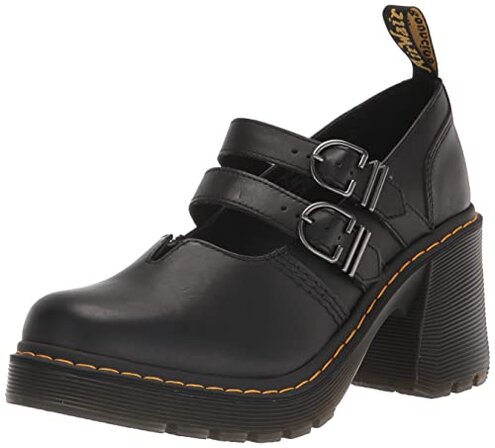
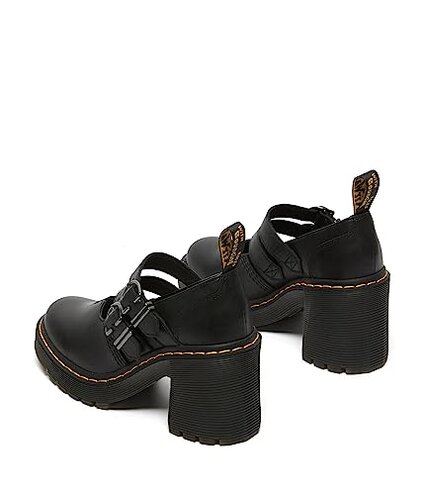
Product evaluated: Dr. Martens, Womens Eviee Heeled Shoe, Black Sendal, 8
Related Videos For You
HIGH HEEL HACKS EVERY GIRL *NEEDS* TO KNOW!
Review Walking Red Mary Jane Pleaser Delight-687 Closed Toe 6 Inch High Heel Pump Shoes with Rose
Data basis: Analysis covered dozens of buyer reports collected through written reviews and video demonstrations, gathered through Feb 2026. Most feedback came from written reviews, supported by video demonstrations, with a mix of recent and longer-term ownership notes.
| Outcome | This product | Typical mid-range alternative |
|---|---|---|
| Comfort on first wear | Painful break-in more disruptive than expected for heeled Mary Janes. | Acceptable break-in with softer initial comfort. |
| Sizing predictability | Inconsistent fit with a narrow toe that often runs small. | More predictable sizing across standard sizes. |
| Durability of finish | Visible scuffing and finish wear seen sooner than expected. | Moderate wear with typical scuffs but less early finish loss. |
| Care & upkeep | Higher maintenance needs polishing and careful care to keep finish. | Lower maintenance leathers that hide wear better. |
| Regret trigger | Break-in + fit together create a higher-than-normal regret risk for daily wear. | Single issue (either fit or break-in) but less likely both at once. |
Why do these feel painfully stiff at first?
Immediate pain: Many buyers report a sharp, uncomfortable break-in during the first few wears that affects walking comfort. Pattern: this is commonly reported and appears repeatedly across written and video feedback.
Usage anchor: the problem shows up on first use and worsens during long walking sessions or when worn all day. Category contrast: most mid-range heeled shoes are softer out of the box and cause less early pain, so this feels worse than typical.
Will the size actually fit?
- Primary sign: Inconsistent sizing appears repeatedly in buyer reports.
- Early indicator: tightness in the toe box on first try-on is commonly reported.
- When it shows: during initial fitting and short walks, the narrow fit becomes obvious.
- Frequency tier: this is a primary issue for many buyers, not an isolated complaint.
- Impact: poor fit forces exchanges or returns, adding extra steps and wait time.
Does the finish and stitching hold up?
- Visible wear: early scuffs and polish loss are commonly reported after a few wears.
- Scope signal: seen across multiple feedback sources, including photos in reviews.
- When it worsens: frequent daily use and scuff-prone environments accelerate finish loss.
- Cause hint: the smooth finish shows scratches more than textured leathers in this category.
- Repair attempts: buyers report polishing helps but requires repeated effort.
- Category contrast: mid-range alternatives often hide scuffs better, making this outcome worse than expected.
- Hidden cost: extra supplies and time for upkeep are commonly needed.
Is there special upkeep or break-in needed?
- Hidden requirement: many reports indicate a long break-in period and repeated polishing is needed.
- How long: discomfort and stiffness can persist through several wears before softening.
- When it matters: this requirement shows up immediately after purchase and affects early satisfaction.
- Attempts to fix: thicker socks, leather conditioner, and deliberate wearing sessions were commonly tried.
- Fixability: fixes reduce discomfort but add time and effort compared with most mid-range shoes.
- Impact on decisions: buyers who need ready-to-wear comfort find this unacceptable.
- Category contrast: more forgiving alternatives need less prep and maintenance.
- Trade-off: you get classic styling but pay with extra time and upkeep.
Illustrative excerpts
Illustrative: "Felt sharp on toes first day, needed thick socks to survive." — Primary pattern
Illustrative: "Size ran smaller than expected, had to exchange twice." — Primary pattern
Illustrative: "Finish scuffed within a week, polishing was constant." — Secondary pattern
Illustrative: "Worked after many wears but not practical for travel." — Edge-case pattern
Who should avoid this
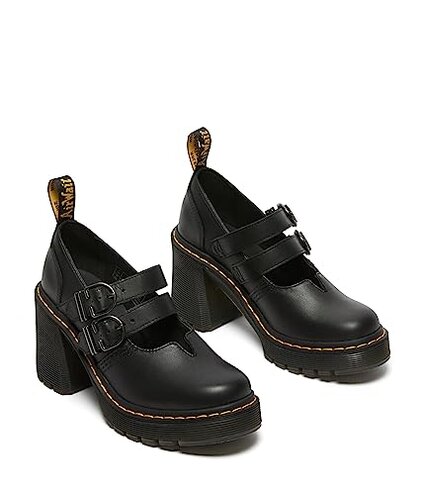
- Daily walkers: avoid if you need immediate all-day comfort without a long break-in.
- Those needing predictable sizing: avoid if you cannot tolerate sizing uncertainty and returns.
- Low-maintenance users: avoid if you don't want to polish or care for the finish frequently.
Who this is actually good for
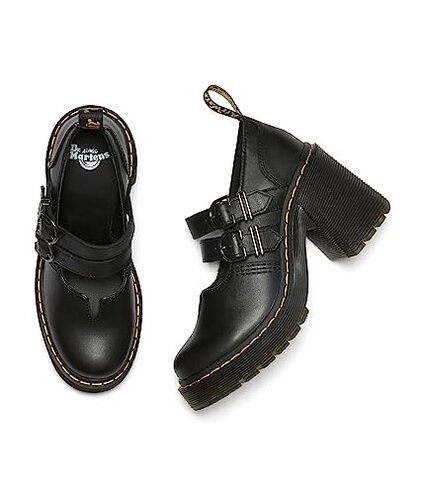
- Style-first buyers: good if you prioritize the classic look and accept break-in and upkeep.
- Occasional wearers: good if you plan infrequent use and can handle initial stiffness.
- Owners willing to prep: good if you will use conditioners, thicker socks, or staged wearing to soften them.
Expectation vs reality
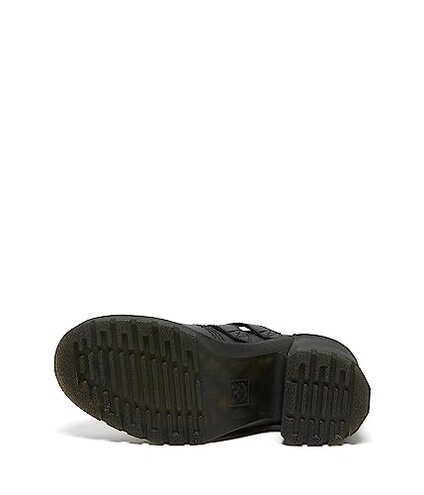
- Expectation: reasonable for this category to need a short break-in; Reality: break-in is longer and more painful than typical.
- Expectation: sizing should match standard measurements; Reality: fit is narrower and less predictable than mid-range peers.
- Expectation: leather will age gracefully; Reality: smooth finish shows scuffs sooner and needs ongoing polishing.
Safer alternatives
- Pick softer leathers: choose shoes marketed as "soft leather" to avoid painful break-in and reduce early stiffness.
- Try wide-fit options: look for models with explicit "wide" or "roomy toe" sizing to counter narrow fit issues.
- Inspect finish type: prefer textured or matte finishes to hide scuffs and lower upkeep needs.
- Shop try-before-you-wear: buy from sellers with easy returns and try short walks at home to test for pain early.
The bottom line
Main regret: the combined stiff break-in and inconsistent sizing create a higher-than-normal risk for buyers needing immediate comfort.
Verdict: avoid if you expect ready-to-wear comfort and low maintenance; consider only if you accept extra break-in time and upkeep for the style.
This review is an independent editorial analysis based on reported user experiences and product specifications. NegReview.com does not sell products.