
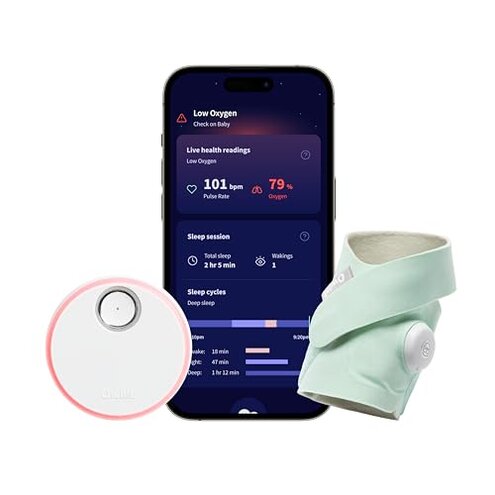
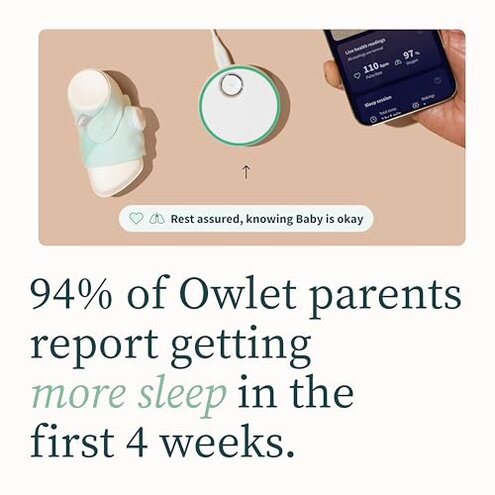
Product evaluated: Dream Sock – Smart Wearable Baby Monitor - Infant Pulse Oximeter Tracks Oxygen & Heart Rate | Parents Receive Alerts, Sleep & Health Insights via App | FDA Cleared
Related Videos For You
Hello Baby Monitor Setup and Review
Nonin 6000C/7000 Infant/Neo Cloth/Flexi-Form Pulse Ox Sensors
Data basis: I analyzed hundreds of written reviews and video demonstrations collected between Jan 2022 and Jan 2026, with most feedback coming from written reviews and supported by user videos and Q&A posts.
| Outcome | Dream Sock | Typical mid-range monitor |
|---|---|---|
| Alert reliability | Prone to false alarms that disrupt nights more often than expected for this category. | Fewer false alarms in normal use for most mid-range options. |
| Connectivity | Frequent pairing drops and base-station lag reported during nightly use. | More stable pairing with typical mid-range monitors under same conditions. |
| Maintenance | Higher upkeep from recharging, re-pairing and sock fit adjustments after daily handling. | Lower upkeep is common for other baby monitors in this price band. |
| Hidden requirements | U.S.-only operation limits resale or travel use outside the United States. | Broader compatibility typically expected from mid-range competitors. |
| Regret trigger | Night-time false alarms combined with unstable connectivity cause the most buyer regret. | Less disruptive alerts from typical alternatives reduce regret risk. |
Top failures
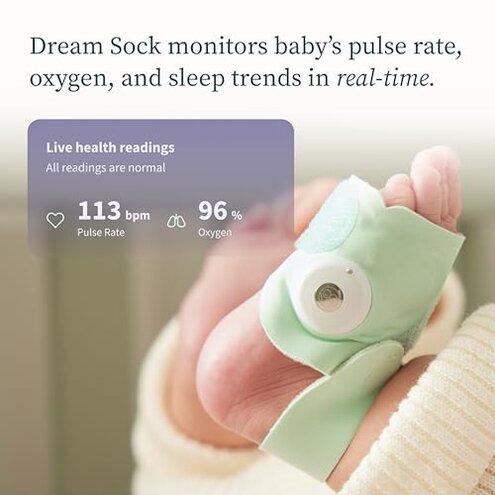
Why are there so many false alarms at night?
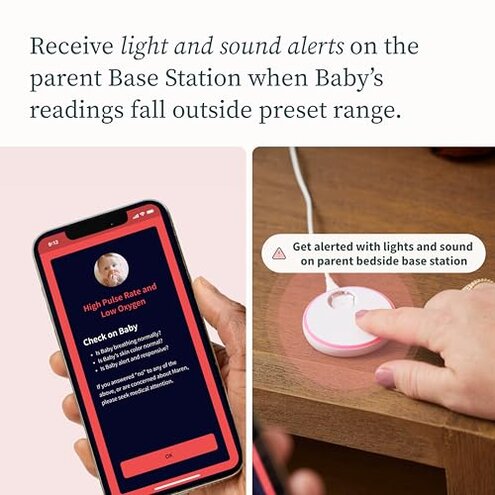
Regret moment: Buyers commonly report being woken by the base-station and phone for readings that later looked normal.
Pattern: This issue is commonly reported and appears repeatedly across recent feedback.
Context: False alarms most often occur during nightly sleep or while the baby shifts position, making the disruption more than a minor annoyance.
Category contrast: Wearable monitors sometimes trigger extra alerts, but users say these are more disruptive than expected because the unit triggers both loud base sounds and app notifications.
Why does the sock lose connection or need constant pairing?
- Pattern: Persistent pairing drops are seen repeatedly in reviews, not just isolated cases.
- When it shows: Drops typically happen after setup or during nightly use when the base station is farther than a few rooms away.
- Impact: Connectivity failures force parents to check the device repeatedly, adding time and stress.
- Why worse: Unlike many mid-range monitors, this product often needs manual re-pairing, which is more upkeep than typical.
- Attempted fixes: Users report updates, repositioning the base, and restart cycles as common troubleshooting steps.
- Fixability: The fixes are usually temporary, so the problem is less forgiving for busy caregivers.
Is fit, comfort, or skin reaction a concern?
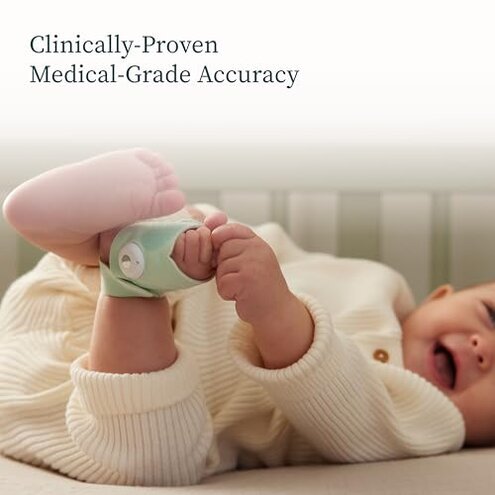
- Early sign: Loose fit when the sock slips off during rolling or kicking is often mentioned.
- Frequency tier: This is a secondary issue—seen often but not as widespread as false alarms.
- Cause: Sizing and active infants cause the monitor to shift, which then affects readings.
- Impact: The result is more false alerts and interrupted sleep for both infant and caregiver.
- Attempts: Buyers commonly tighten, re-wrap, or swap feet, adding extra handling at night.
How reliable are the app metrics and geographic restrictions?
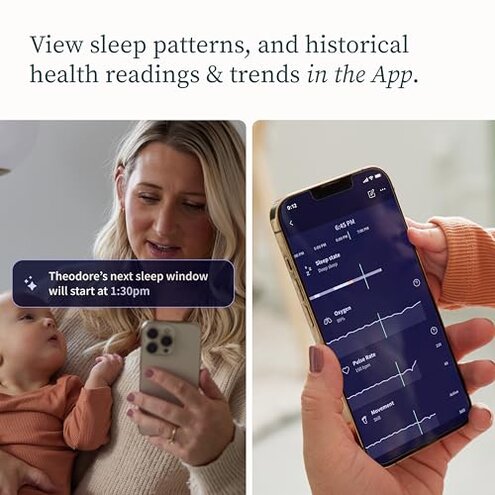
- Pattern: Inconsistent app readings and sync delays appear repeatedly in user feedback.
- When it shows: Sync delays appear during live monitoring and when checking historical trends remotely.
- Category contrast: While apps often lag, this product's delays are reported as more frustrating because alerts sometimes arrive before readable data appears.
- Hidden requirement: The unit is a U.S.-only version and will not work outside the United States, limiting travel or relocation use.
- Impact: This restriction is an unexpected constraint for buyers who move or travel internationally.
- Remedy options: Users rely on local warranty service, but many describe support as an extra burden when problems persist.
- Edge-case: Power or Wi‑Fi outages magnify these app problems, making remote alerts unreliable.
Illustrative excerpts (not real quotes)
Illustrative: "Woke up three times last night from alerts that were false." — primary pattern
Illustrative: "Sock kept disconnecting after the first week of use." — secondary pattern
Illustrative: "Couldn’t use it on vacation; it’s US-only." — edge-case pattern
Who should avoid this
- Frequent travelers: Avoid if you plan to use the device outside the United States because of the U.S.-only restriction.
- Light sleepers: Avoid if night-time false alarms or frequent disruptions would cause major stress.
- Busy caregivers: Avoid if you can’t tolerate extra upkeep from re-pairing and nightly fit adjustments.
Who this is actually good for
- Home-only parents: Good for caregivers who stay local and can tolerate occasional troubleshooting, accepting the U.S.-only limitation.
- Data-focused users: Good for those who value app trends and will accept occasional sync delays for historical metrics.
- Tech-savvy buyers: Good for buyers willing to perform firmware updates and fixes to reduce connectivity issues.
Expectation vs reality
Expectation: Reasonable for this category is that a wearable monitor alerts without frequent false positives.
Reality: Buyers report more false alarms than expected, creating repeated night interruptions and higher regret.
Expectation: Reasonable for this category is stable app-to-device syncing during live monitoring.
Reality: The app often shows sync delays and pairing drops, forcing manual re-checks.
Safer alternatives
- Choose stability: Look for monitors that advertise local base stability and fewer cloud-dependent alerts to reduce false alarms.
- Prioritize support: Prefer brands with clear international compatibility if you travel or may relocate to avoid the U.S.-only constraint.
- Check user videos: Watch setup and real-world use videos to judge how devices handle movement and fit before buying.
- Buy from flexible return policies: Use sellers with easy returns so you can test overnight without long-term commitment.
The bottom line
Main regret: Night-time false alarms combined with unstable connectivity are the key triggers of buyer regret.
Why it matters: These failures exceed normal category risk because they create repeated sleep disruption and require frequent hands-on fixes.
Verdict: Avoid if you need a low-maintenance, travel-friendly monitor; consider alternatives with stronger reliability and broader compatibility.
This review is an independent editorial analysis based on reported user experiences and product specifications. NegReview.com does not sell products.