
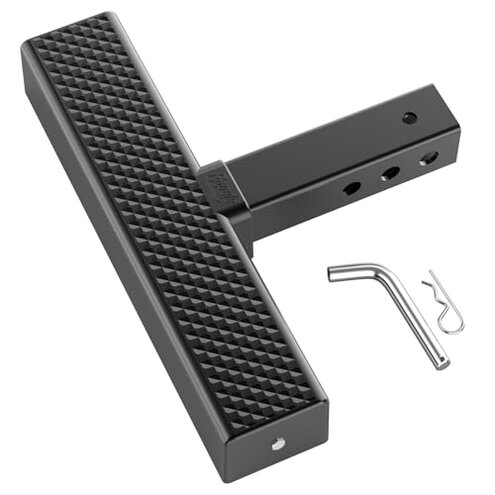
Product evaluated: Eapele Hitch Step for 2 Inch Receiver, Universal Anti Slip Bumper Guard, 600lbs Maximum Load, for Trailer Tow Truck Pickup SUV Pickup Van RV
Related Videos For You
Easy Hitch Step - Access Your truck bed easily - Best Hitch Step for Truck Beds and Trailers
Silent Hitch Pin® Locking Anti-Rattle Device
Data basis: This report uses dozens of buyer feedback signals collected from written comments and photo or video demonstrations between 2020 and 2026. Most input came from short written ownership reports, with supporting visual feedback helping confirm fit, movement, and daily-use problems that appear repeatedly.
| Buyer outcome | Eapele hitch step | Typical mid-range alternative |
|---|---|---|
| Fit stability | Higher risk of looseness and receiver play during normal driving | Usually tighter fit with less movement out of the box |
| Noise | More likely to rattle unless you add a separate shim, tape, or padding | Less common to need an extra anti-rattle fix right away |
| Setup effort | Extra steps can be needed after installation to reduce movement | Simpler install for buyers expecting basic pin-and-go use |
| Daily stepping feel | Acceptable for light rear access, but confidence drops if the step shifts | More predictable footing when climbing regularly |
| Regret trigger | Buying it for easy convenience, then needing to chase noise and wobble fixes | Lower chance of immediate post-install frustration |
Does it get annoyingly loose right after install?
This is the primary issue and among the most common complaints. The regret moment usually starts on the first drive after setup, when buyers notice movement instead of a planted, confidence-inspiring step.
The trade-off is simple: low upfront cost, but a higher-than-normal chance of fit play. In this category, a little receiver movement is normal, but this appears more disruptive than expected because the product itself warns that some vehicles may have looseness and rattling.
- Pattern: Looseness appears repeatedly across feedback, though it is not universal.
- When it shows up: It usually appears after setup, especially once the vehicle starts moving.
- What buyers notice: The step can feel wobbly or shift more than expected when touched or used.
- Why this feels worse: A hitch step should add easy access, but a moving platform makes that convenience feel less trustworthy.
- Hidden requirement: Some owners end up needing extra padding, tape, or rubber pieces to make the fit feel acceptable.
- Fixability: The issue is often manageable, but that still adds trial-and-error time many buyers did not expect.
- Category contrast: Mid-range alternatives often still have some play, but they are usually less dependent on homemade anti-rattle fixes.
Illustrative: “I installed it fast, then spent longer trying to stop the wiggle.” — Primary pattern
Will the rattle noise get old fast?
- Frequency tier: This is a primary issue, slightly less visible than looseness but often tied to it.
- Usage moment: The noise tends to show up during daily driving, not just while stepping on it.
- Worsens when: It is more noticeable on rough roads, repeated stops, or frequent driving.
- Buyer impact: Even when the step still works, the sound can make the product feel cheaply finished.
- Why it causes regret: Buyers expecting a simple truck accessory can end up with a constant reminder that something is moving back there.
- Attempts to solve it: Padding, tape, and rubber inserts are common workarounds, but they add upkeep.
- Category contrast: Some hitch accessories make noise, but this feels more frequent than normal because the anti-rattle step is not built in.
Illustrative: “It works, but every bump reminded me it was back there.” — Primary pattern
Does the step feel less secure than you expected when climbing up?
This is a secondary issue, but more frustrating when it happens because it affects trust at the exact moment you need support. It usually shows up during real use, such as reaching into a truck bed or accessing roof cargo from the rear.
Not everyone reports it, and the posted load rating is high, but confidence and comfort are not the same thing as raw capacity. In this category, buyers usually accept a compact step, but they expect it to feel steady enough that they do not think about foot placement every time.
The problem worsens if the receiver fit is already loose or if you step quickly with weight shifting to one side. That makes the step feel less forgiving than a typical mid-range option with a tighter fit or wider planted feel.
Illustrative: “It held me, but I still didn’t love how much it moved.” — Secondary pattern
Are you expecting a true universal fit with no extra hassle?
- Pattern: Compatibility complaints are a secondary issue that appear less often than rattling, but they are persistent.
- When it happens: The disappointment starts at install time, when buyers assume a 2-inch receiver means a clean fit.
- What actually happens: A “fits 2-inch receivers” claim does not always mean a snug match across different vehicles.
- Hidden requirement: Some setups need extra anti-movement material that is not part of a simple out-of-box install.
- Why this matters: That turns a basic accessory into a small project instead of a quick convenience upgrade.
- Buyer frustration: The issue feels avoidable because many shoppers choose universal gear specifically to skip fit guesswork.
- Category contrast: Receiver accessories always vary a bit by vehicle, but buyers usually expect less tuning than this.
- Fixability: If you do not mind adding shims or padding, the problem may be tolerable rather than a deal-breaker.
Illustrative: “Universal fit was true enough, but not tight enough.” — Secondary pattern
Who should avoid this
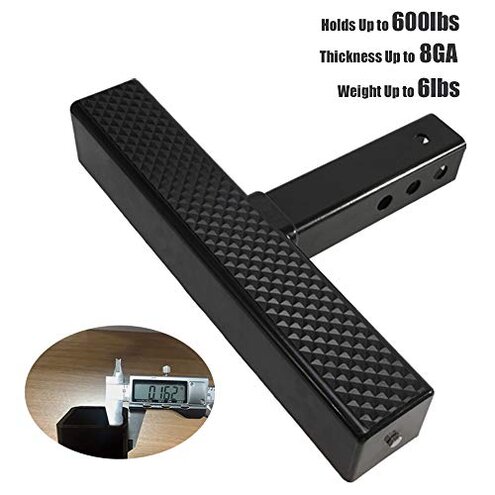
- Avoid it if you are sensitive to rattles, because noise during normal driving is a recurring complaint and higher than many buyers expect.
- Skip it if you want a true install-and-forget accessory with no shims, tape, or extra tweaking.
- Look elsewhere if older users or frequent climbers need a confidence-first step with minimal movement underfoot.
- Pass on it if your tolerance for universal-fit compromise is low, since receiver play can exceed normal category annoyance.
Who this is actually good for
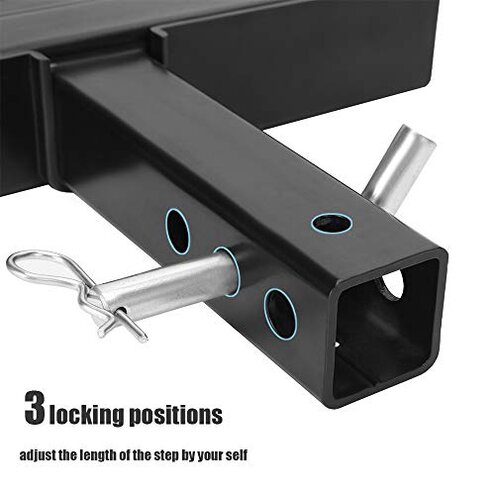
- It can work for buyers who mainly want occasional rear access and are willing to tolerate minor fit tuning.
- It suits owners who already use hitch accessories and expect to add an anti-rattle fix as part of setup.
- It fits shoppers focused on price who can accept some movement as long as the step remains basically functional.
- It makes sense for lighter, infrequent use where a little wobble is an annoyance, not a daily deal-breaker.
Expectation vs reality
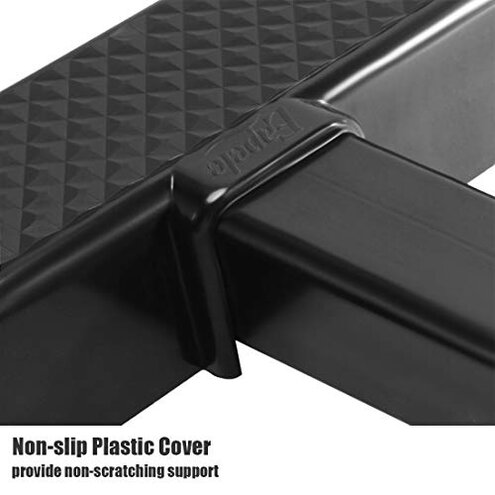
Expectation: A 2-inch hitch step should slide in, pin up, and feel ready for use.
Reality: This one can need extra anti-rattle work before it feels settled.
Expectation: Some receiver play is reasonable for this category.
Reality: Here, the movement can feel worse than expected because it affects both noise and stepping confidence.
Expectation: The load rating should translate into everyday reassurance.
Reality: Buyers can still feel uncertain underfoot if the fit is loose.
Illustrative: “Strong enough on paper, but not as confidence-building in use.” — Edge-case pattern
Safer alternatives
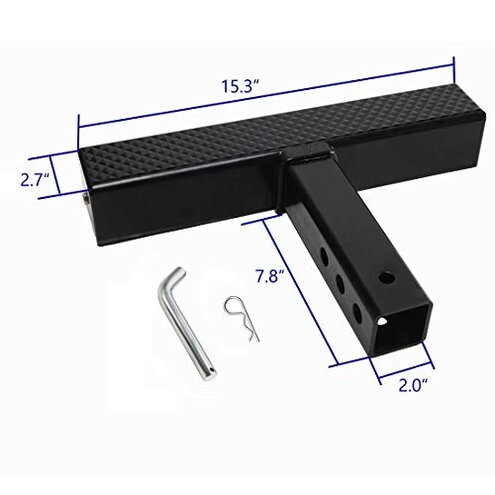
- Choose models with a built-in anti-rattle feature if cabin noise would bother you.
- Prioritize listings that explain receiver fit tolerance, because that directly reduces the universal-fit surprise.
- Look for wider or more planted step designs if secure footing matters more than compact size and basic clearance.
- Buy from options that include tighter mounting hardware in the box, which helps avoid the hidden extra-step problem.
The bottom line
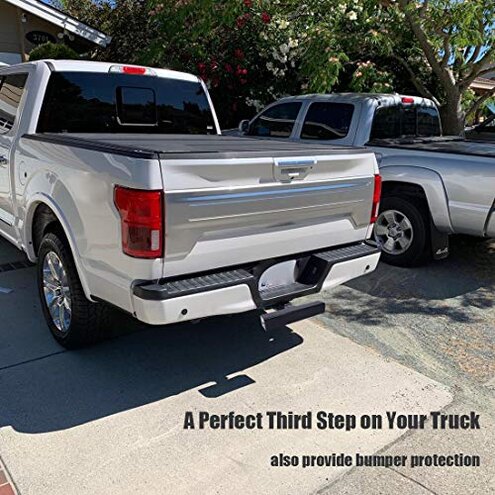
The main regret trigger is simple: buyers expect easy rear access, but end up dealing with looseness and rattle instead. That exceeds normal category risk because the extra setup effort can continue into daily use, not just installation. Verdict: avoid it if you want quiet, tight, no-fuss performance; consider it only if you are comfortable adding your own anti-rattle fix.
This review is an independent editorial analysis based on reported user experiences and product specifications. NegReview.com does not sell products.