
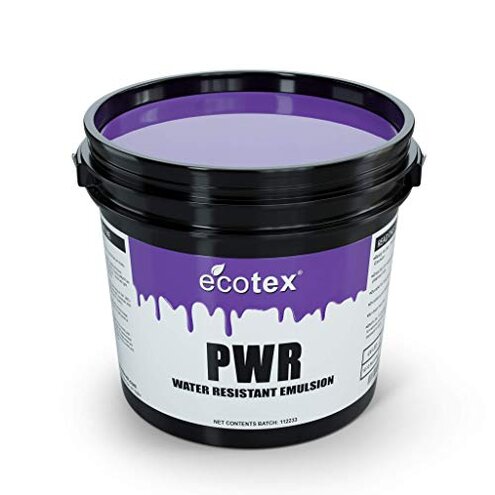
Product evaluated: Ecotex® PWR Screen Printing Emulsion (Quart - 32oz.) Pre - Sensitized Photo Emulsion for Silk Screens and Fabric - for Screen Printing Plastisol Ink and Water Based Ink, Screen Printing Supplies
Related Videos For You
silk screen printing photo emulsion coater #screenprinting #screenprint
How to Screen Print: Washing Emulsion Out of High Detail Screens
Data basis: This report summarizes dozens of buyer comments collected from written feedback and video-style demonstrations between 2023 and 2026. Most signals came from detailed written experiences, with shorter setup clips and photo-backed posts helping confirm where problems show up during coating, exposure, and washout.
| Buyer outcome | Ecotex PWR | Typical mid-range alternative |
|---|---|---|
| Setup forgiveness | Lower; recurring complaints point to narrower exposure tolerance during first setup. | Moderate; usually more forgiving of small timing and coating mistakes. |
| Washout ease | Mixed; primary issue is designs washing away or not opening cleanly after exposure. | More predictable; still skill-based, but less often described as all-or-nothing. |
| Beginner risk | Higher than normal; hidden requirement is tighter control of light, coat thickness, and drying conditions. | Average; some learning curve, but fewer reports of total restart. |
| Time loss | Above average; failed screens add extra coating, drying, and reclaim steps. | Typical; mistakes happen, but fewer buyers describe repeated resets. |
| Regret trigger | Wasted setup after a screen fails at exposure or washout. | Routine tuning rather than full restart. |
Why does the image disappear when you rinse the screen?
This is the primary issue. The regret moment usually happens right after exposure, when the design either blows out too easily or parts of the stencil break down during washout.
The pattern appears repeatedly. In this category, some tuning is normal, but buyers describe this as more disruptive than expected because failure often means starting the whole screen again.
- When it hits: It shows up after setup, during the first washout, especially when users are trying a new light source or timing.
- Frequency tier: This is a primary pattern, commonly reported across different skill levels.
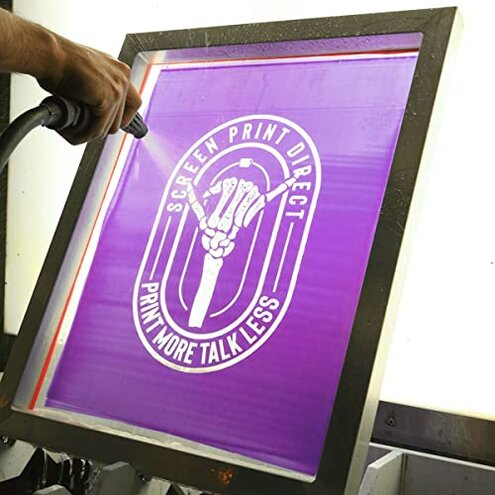
- What buyers notice: Parts of the design wash away, fine details disappear, or open areas never clear correctly.
- Why it feels worse: A typical mid-range emulsion usually allows more trial-and-error before total failure, but this one is often described as less forgiving.
- Time impact: The problem adds extra steps because users must recoat, dry, expose again, and reclaim the screen.
- Worsening condition: It gets more frustrating in repeat jobs where consistency matters across more than one screen.
- Fixability: Some buyers do improve results, but usually only after dialing in exposure with more testing than expected.
Illustrative: “I burned the design, rinsed it, and half the image just vanished.” Primary pattern.
Why does this feel harder than expected for beginners?
- Hidden requirement: A recurring complaint is that “ready to use” still needs careful control of coating thickness, drying darkness, and exposure distance.
- When it shows up: The frustration starts on first use, when buyers expect a smoother path from coating to printing.
- Pattern strength: This is a secondary issue, but it persists across many beginner-focused comments.
- What makes it worse: It becomes more noticeable with DIY exposure setups, where light intensity and timing vary more.
- Category contrast: All emulsions have a learning curve, but this one is described as needing tighter process control than many mid-range alternatives.
- Real regret: Buyers expecting a simple starter option end up spending more practice time than planned before getting reliable results.
Illustrative: “Ready to use did not mean ready for my first screen.” Secondary pattern.
Why are the results inconsistent from one screen to the next?
Inconsistency is less frequent than washout failure, but more frustrating when it happens because it undermines repeat work. The product can work, yet buyers commonly describe a narrow sweet spot.
The issue appears during normal use. After one acceptable screen, the next exposure can behave differently under similar steps, which makes troubleshooting slower than expected.
- Scope: This is a persistent secondary pattern seen across multiple feedback types.
- Usage moment: It shows up during repeat exposure sessions, especially when users try to reproduce a result from a prior screen.
- What buyers notice: One stencil holds fine, while another feels underexposed or overly hard to wash out.
- Why it stings: Screen printers usually accept some tuning, but not unpredictable repeats after they think they found the right settings.
- Likely trigger: Small changes in coat thickness, room conditions, or light setup seem to have a bigger effect than expected.
- Cost of failure: The inconsistency wastes screens and time, which matters more for small runs or deadline work.
- Mitigation: Buyers who keep detailed notes and test strips report better odds, but that is more upkeep than many casual users want.
Illustrative: “Same setup, different day, and the stencil behaved completely differently.” Secondary pattern.
Why does cleanup and rework become such a chore?
- Regret point: This is an edge-case issue compared with exposure trouble, but it becomes severe after failed screens stack up.
- When it appears: It shows up after failed attempts, when users need to reclaim and recoat instead of moving to printing.
- Buyer-visible impact: The main complaint is not simple mess, but lost session time and repeated restart effort.
- Why it exceeds baseline: Reclaiming is normal in this category, yet buyers describe more trial waste before reaching a usable stencil.
- Worsening condition: It feels worst in short work sessions, where one failed screen can consume the whole printing window.
- Attempted workaround: Users often try changing exposure time, recoating style, or drying longer, which means more variables to manage.
- Practical result: If you print only occasionally, the extra resets can make the hobby feel needlessly technical.
- Fixability: Experienced users may tolerate this, but casual buyers often see it as too much effort for the payoff.
Illustrative: “I spent the night reclaiming screens instead of actually printing shirts.” Edge-case pattern.
Who should avoid this
- First-time printers should avoid it if they want a forgiving learning experience, because exposure and washout mistakes appear more punishing than normal.
- Occasional hobby users may want to skip it if they only print in short sessions, since failed screens can eat the whole work window.
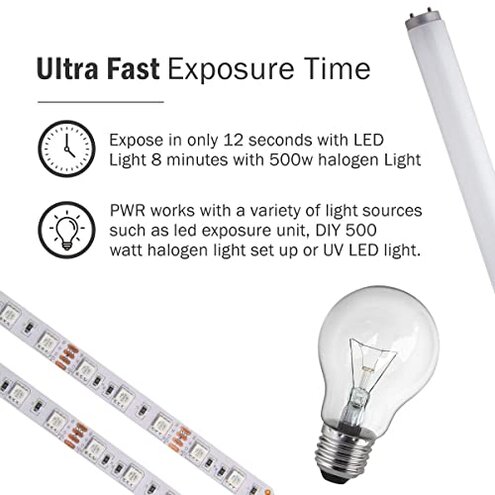
- DIY light users should be cautious if their exposure setup is inconsistent, because this product seems less tolerant of setup variation.
- Small-run sellers may want a safer option if repeatability matters, since inconsistent screen results are a persistent complaint.
Who this is actually good for
- Process-focused users may be fine with it if they already test exposure carefully and accept extra tuning to reach stable results.
- Experienced screen printers can tolerate the narrower setup window if they keep notes and control drying and coating well.
- Buyers using controlled exposure units may have fewer problems because one major failure point is setup variability.
- Users printing both ink types may still consider it if they are willing to trade convenience for more process discipline.
Expectation vs reality
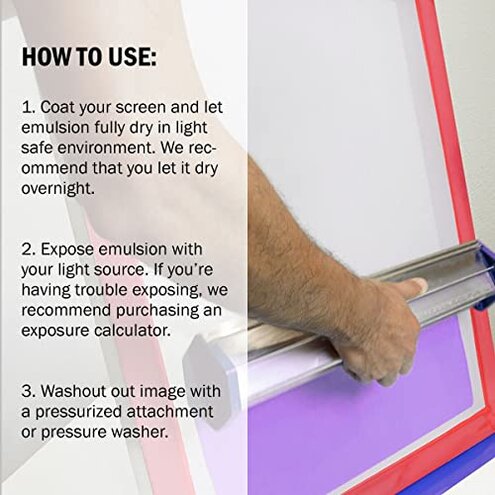
Expectation: “Pre-sensitized” should mean simpler startup for a normal buyer.
Reality: A recurring complaint is that it still needs careful dialing-in, especially for exposure timing and washout control.
Expectation: Some trial-and-error is reasonable for this category.
Reality: Buyers describe a narrower margin than expected, where small setup differences can mean a full failed screen.
Expectation: Once one screen works, the next should feel repeatable.
Reality: A persistent secondary complaint is that repeat results can still shift unexpectedly under similar steps.
Safer alternatives
- Choose a more forgiving emulsion marketed for beginner exposure tolerance if you use a DIY light, which directly reduces first-use washout failures.
- Look for products with clearer timing support if consistency matters, since hidden setup sensitivity is one of the sharper pain points here.
- Buy smaller quantities first when testing a new emulsion, which limits the cost of repeated recoat and reclaim cycles.
- Prioritize beginner kits with matched exposure guidance if you lack a controlled setup, because this product seems to punish mixed equipment more than typical.
The bottom line
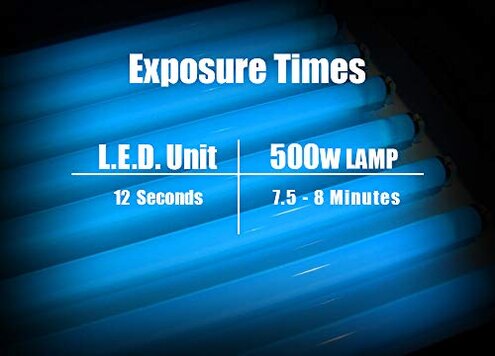
Main regret trigger: the screen can fail at washout after you already spent time coating, drying, and exposing it. That risk feels higher than normal for this category because the product appears less forgiving of small setup mistakes and inconsistent conditions.
Verdict: If you are new, casual, or using a variable DIY setup, this is easier to avoid than troubleshoot. It makes more sense for users who already expect test burns, note-taking, and tighter process control.
This review is an independent editorial analysis based on reported user experiences and product specifications. NegReview.com does not sell products.