
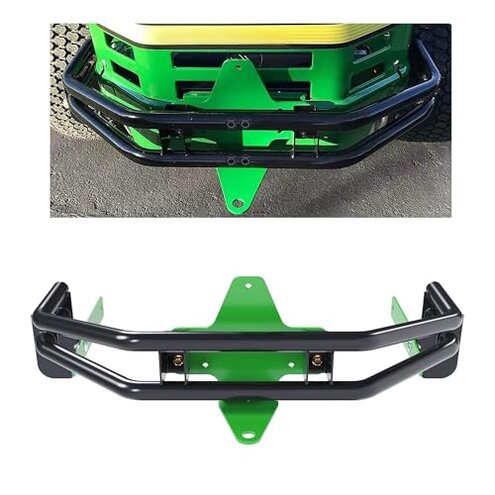
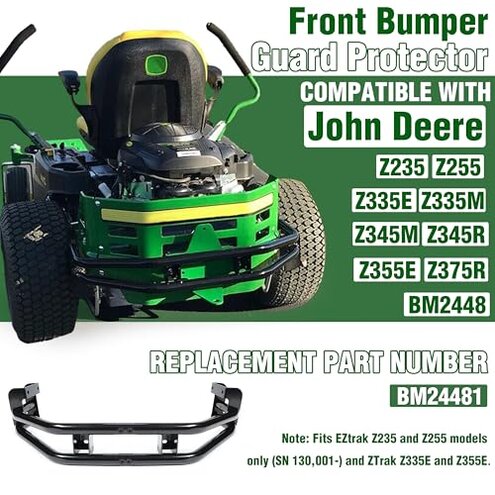
Product evaluated: ECOTRIC Rear Bumper Bar and Hitch Kit Zero-turn Mowers Compatible With John Deere Z235 Z255 Z335E Z335M Z345M Z345R Z355E Z355R Z365R Z375R Replacement for BM24481
Related Videos For You
How to Install Trailer Hitch on Troy-Bilt Mustang XP 50 Zero Turn Mower
EGO AMB1000 Z6 Zero Turn Mower Rear Bumper Review and Installation
Data basis: This report summarizes dozens of buyer feedback points gathered from written reviews and video demonstrations collected from 2021 to 2026. Most signals came from written owner comments, with added context from install walk-throughs and product photos showing fit, hardware, and real mower clearance.
Comparative risk snapshot
| Buyer outcome | This kit | Typical mid-range alternative |
|---|---|---|
| Fit confidence | Higher risk of model-specific mismatch or extra adjustment after setup. | Usually clearer fitment with fewer surprises if the mower matches the listing. |
| Install effort | Less predictable; bolt-on can still turn into extra steps during first install. | More routine; still not instant, but usually closer to true bolt-on. |
| Hardware satisfaction | Secondary risk of hardware quality or hole alignment slowing the job. | More consistent hardware fit in this price tier. |
| Daily-use confidence | Mixed; towing and rear protection can work, but setup errors carry into use. | Steadier if installed cleanly and matched correctly. |
| Regret trigger | Most common regret is paying for a “compatible” part that needs troubleshooting before it feels usable. | Lower regret when compatibility and hole spacing are confirmed up front. |
Top failures
Does “compatible” still leave you fighting the fit?
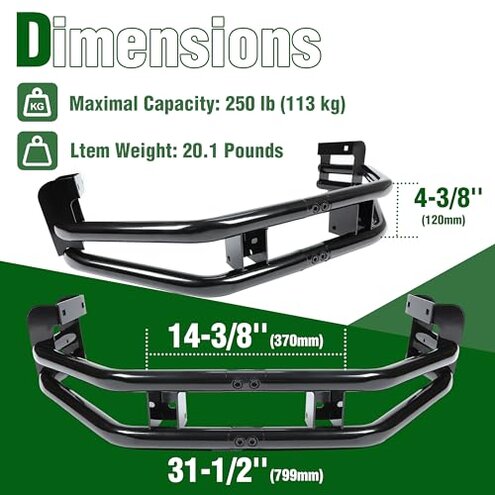
Primary issue: The biggest regret point is fitment uncertainty, which appears repeatedly and is more disruptive than expected for this category. The frustration usually starts during first install, when buyers expect a direct match and instead find alignment questions or mower-specific surprises.
Category contrast: Hitch kits always need some care, but this seems less forgiving than a typical mid-range mower hitch. That matters because most buyers choose this kind of add-on specifically to avoid fabrication or trial-and-error.
- Pattern: Fit complaints are a primary pattern, not universal, but repeated often enough to affect purchase confidence.
- When it hits: The problem shows up after unboxing and gets worse when the mower trim or serial-range details are not checked closely.
- Buyer impact: What should be a short garage job can turn into extra measuring, rechecking brackets, or pausing the install.
- Hidden requirement: You may need exact model verification, not just the mower family name, to avoid a mismatch.
- Fixability: Some buyers can work around fit issues, but the need for adjustment is more frequent than expected in this category.
Is the “easy install” claim too optimistic?
Secondary issue: Installation friction is less frequent than outright fit mismatch, but more frustrating when it occurs because it blocks use on day one. This usually appears during setup, especially when holes, hardware, or bumper positioning do not line up smoothly.
Why it feels worse: A mower hitch is a simple accessory, so buyers reasonably expect a mostly straightforward bolt-on process. Compared with a typical mid-range alternative, this one appears to require more patience and more trial fitting.
Illustrative excerpt: “I thought this would bolt right on, but I had to keep repositioning everything.” Primary pattern.
- Early sign: If the first bolts do not start easily, the install may become a time sink instead of a quick upgrade.
- Frequency tier: This is a secondary pattern, seen across different buyer situations rather than one isolated case.
- Worsens when: The hassle grows if you install alone or expect to finish in one short session.
- Likely cause: The issue is often tied to alignment friction, not just basic hand-tool work.
- Real-world effect: Delays matter because the mower stays out of service until the rear bar and hitch sit correctly.
- Attempted workaround: Buyers commonly try loosening all hardware first, then retightening, which adds extra steps.
- Fixability: Many installs can be completed, but the process is less smooth than the marketing language suggests.
What if the hardware quality feels just okay?
Persistent concern: Hardware and finish complaints appear as a recurring support issue after fitment. They are not the top problem, but they can feel more annoying over time because they affect confidence every time the mower is used.
Usage context: This tends to show up during assembly or after repeated outdoor use, when buyers notice hardware confidence and finish durability more closely.
Category contrast: In this category, buyers accept basic hardware, but they expect it to feel dependable once mounted. Reports suggest this kit can feel more budget-grade than many mid-range alternatives.
Illustrative excerpt: “It works, but the included pieces didn’t inspire much confidence.” Secondary pattern.
- Signal: Hardware dissatisfaction is a secondary issue that shows up across multiple feedback types.
- What buyers notice: The complaint is usually not total failure, but a just-good-enough feel that undermines trust.
- When worse: It matters more if the mower sees frequent towing or regular rough-ground use.
- Why regret happens: Buyers paying for a ready kit expect fewer doubts about bolts, finish, and long-term sturdiness.
Could towing expectations be higher than the real experience?
Edge-case issue: The product promises extra utility, but some disappointment comes from expecting a more substantial upgrade than it delivers. This usually appears after installation, once buyers actually start towing or using the rear bar for protection.
Why this matters: In this category, a hitch kit should add simple usefulness without creating new caution points. Here, the setup burden can overshadow the benefit, which makes the utility gain feel smaller than expected.
Illustrative excerpt: “I bought it for convenience, but it became another project first.” Primary pattern.
- Pattern level: Utility disappointment is an edge-case issue, but it becomes more frustrating when paired with install problems.
- Real moment: The regret shows up on the first towing job if the buyer expected a simple, finished-feeling accessory.
- Comparison: A typical alternative may offer similar function with less setup drama.
- Mitigation: This risk drops if you treat the kit as a basic add-on, not a polished OEM-like upgrade.
Illustrative excerpt: “The model list looked right, but my mower still needed more checking.” Primary pattern.
Illustrative excerpt: “Not impossible to install, just more fiddly than a normal hitch bracket.” Secondary pattern.
Who should avoid this
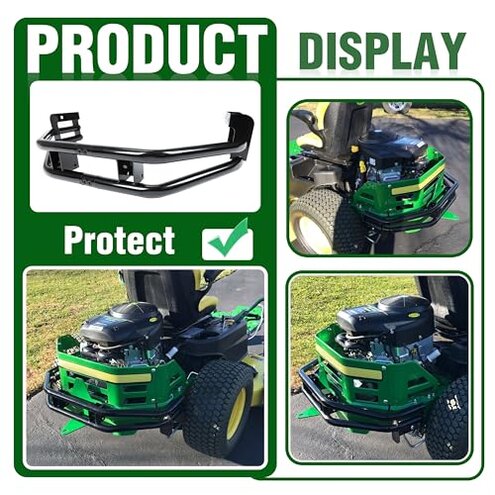
- Avoid it if you want a true no-drama bolt-on part, because fit and alignment friction are above normal category tolerance.
- Avoid it if you are unsure about your exact mower version, since the hidden requirement is closer model verification than many buyers expect.
- Avoid it if downtime bothers you, because the install can turn into a stop-and-check project during the first use window.
- Avoid it if you expect OEM-like finish confidence, since the value feel can land below a typical mid-range alternative.
Who this is actually good for
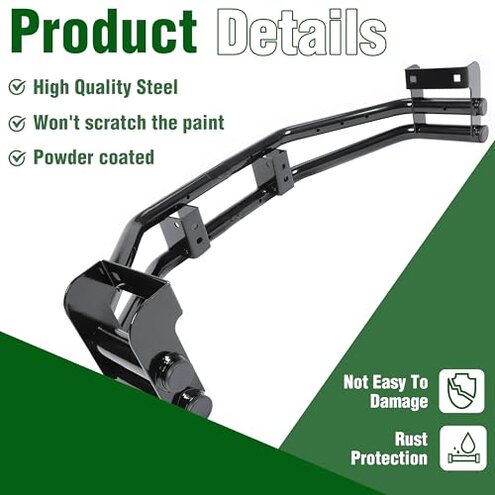
- Good fit for buyers who already confirmed exact mower compatibility and are comfortable adjusting hardware during install.
- Good fit for owners who mainly want basic rear protection and light utility, and can tolerate some setup friction.
- Good fit for hands-on users who see this as a functional add-on, not a polished factory-style upgrade.
- Good fit if price matters less than availability and you are willing to trade convenience for possible troubleshooting.
Expectation vs reality
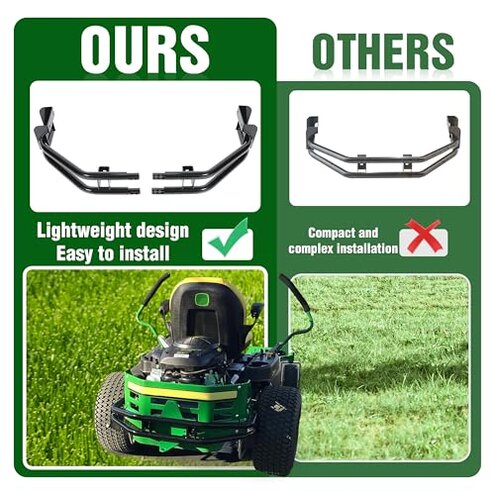
- Expectation: A reasonable expectation for this category is a mostly direct bolt-on hitch with minor hand-tool work.
- Reality: This kit shows a worse-than-expected chance of fit checking, loosening, repositioning, and rechecking before it feels right.
- Expectation: “Compatible” should mean the model list removes most uncertainty.
- Reality: Buyers still face model-detail risk, especially if they rely on family names instead of exact fit specifics.
- Expectation: Included hardware should feel routine and confidence-inspiring.
- Reality: Some feedback points to a budget feel that makes the kit seem less polished than expected.
Safer alternatives
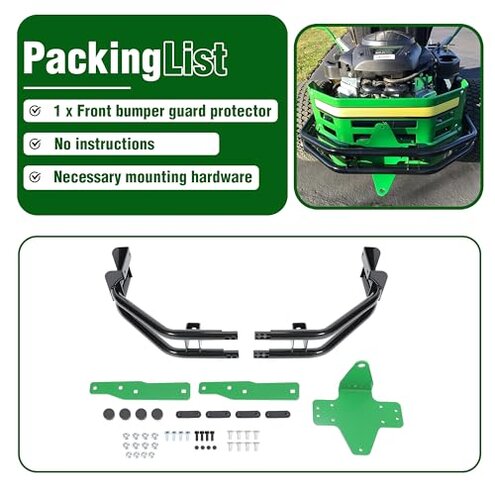
- Check exact fit by matching the mower’s precise model and serial applicability before buying, which directly reduces the main mismatch risk.
- Prefer listings with clearer installed photos on the same mower family, which helps catch bracket and clearance surprises early.
- Look for kits described by buyers as truly bolt-on, not just compatible, to avoid the extra alignment work seen here.
- Budget for better hardware if you still choose this style, because that can reduce the confidence gap from included parts.
- Choose OEM-style options when low hassle matters more than savings, since category alternatives often feel more predictable during install.
The bottom line
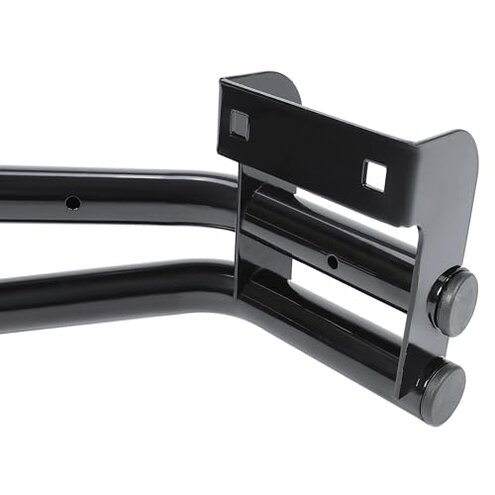
Main trigger: The biggest regret is paying for a hitch kit that looks simple on paper but may demand more fit checking and install patience than normal. That exceeds normal category risk because mower owners usually buy these kits to save time, not create another garage project.
Verdict: If your priority is low-risk compatibility and easy setup, this is one to approach carefully or skip. It makes more sense only for buyers who can tolerate troubleshooting and verify exact fit before ordering.
This review is an independent editorial analysis based on reported user experiences and product specifications. NegReview.com does not sell products.