
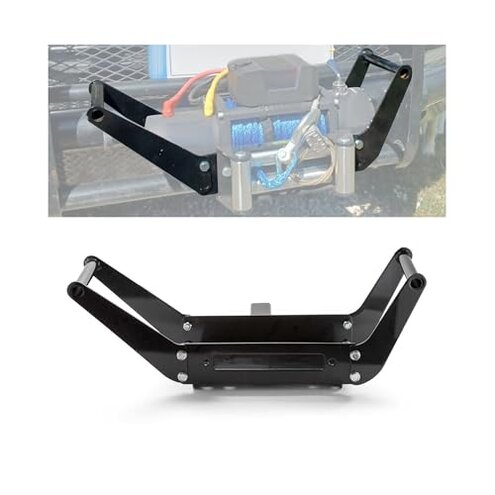
Product evaluated: ECOTRIC 10x 4 1/2 Cradle Winch Mount Mounting Plate 8000-13,000 Lb Capacity Winch Mounting Hitch Receiver Recovery Winches Foldable
Related Videos For You
Portable Hitch Mounted WINCH Build w/ Swivel and synthetic cable
4 Major Winch Install Mistakes to avoid! PLUS How to install in cab controls
Data basis: This report is based on dozens of buyer comments gathered from written feedback and photo or video-backed impressions collected from 2023 to 2026. Most feedback came from written use reports, with supporting setup demonstrations that helped confirm where problems showed up during installation and first recovery-ready setup.
| Buyer outcome | ECOTRIC mount | Typical mid-range alternative |
|---|---|---|
| First install | Higher friction; drilling or extra adjustment appears repeatedly after test-fitting. | Usually simpler; still may need minor tweaking, but less often needs rework. |
| Fit confidence | Less predictable; compatibility claims can feel broader than the real-world fit window. | More consistent; standard receiver and winch spacing are usually closer to expectation. |
| Foldable design | Mixed payoff; saves space, but adds one more point buyers check for alignment and stability. | Simpler design; bulkier to store, but often has fewer moving-fit concerns. |
| Regret trigger | Shows up early; buyers expecting bolt-on simplicity end up doing extra setup work before first use. | Lower risk; regret is more often about weight or finish, not basic install confidence. |
| Category risk | Above normal for this category because install hassle is more disruptive than expected at this price level. | More normal; setup issues still happen, but usually stay within expected hitch accessory tolerance. |
Why does a “bolt-on” mount turn into a fitment project?
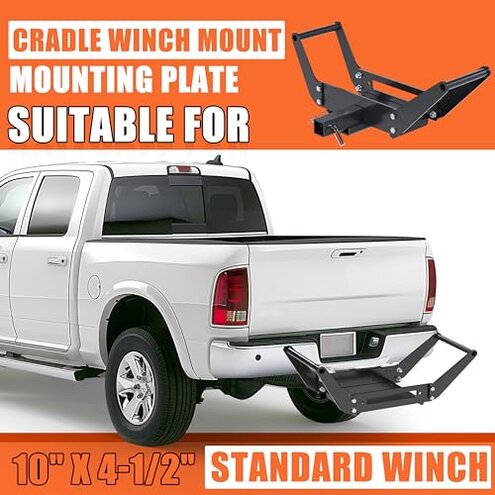
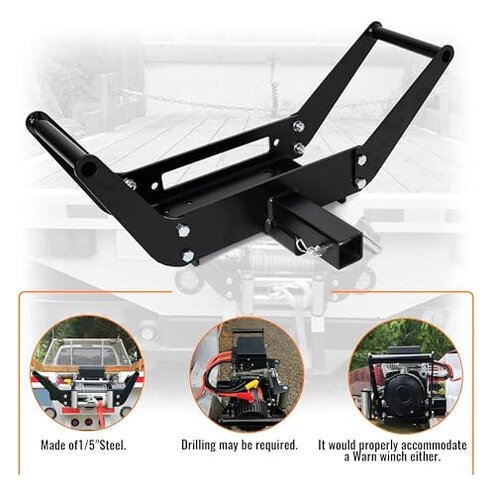
This is the primary issue. The regret moment usually happens during the first garage install, when buyers expect a quick receiver setup and run into alignment problems instead.
The pattern appears repeatedly. In this category, some adjustment is normal, but the extra drilling or hole mismatch complaints feel more disruptive than expected because they stop the job before the winch is even usable.
When it shows up: It usually appears after unpacking and test-fitting the plate, especially when pairing with an existing winch or receiver setup.
Why it feels worse: A typical mid-range mount may need minor nudging, but this kind of mismatch adds tools, time, and uncertainty that many buyers did not plan for.
- Early sign: Bolt holes or receiver positioning do not line up cleanly during first assembly.
- Frequency tier: Primary complaint; fit concerns are among the most common frustrations attached to this kind of product.
- Buyer impact: The job changes from quick mounting to measuring, retrying, and possibly drilling.
- Hidden requirement: Buyers may need extra tools or fabrication tolerance, even though many shop for this type expecting near-direct fit.
- Fixability: It can be workable for handy owners, but less forgiving for first-time winch mount buyers.
Illustrative excerpt: “I thought this was a quick install, then the holes were off.” Primary pattern.
Does the folding design create more hassle than convenience?
This is a secondary issue. The folding feature looks useful for storage, but the trade-off appears during setup when buyers want solid, simple positioning.
- Pattern: This complaint is persistent, though not as common as fitment trouble.
- Usage moment: It shows up while attaching, removing, or checking how the mount sits before use.
- Why buyers care: A foldable part saves space, but some buyers read it as one more thing to inspect for play or awkward alignment.
- Category contrast: Most mid-range fixed mounts are less compact, yet often feel more straightforward because they remove one moving-design compromise.
- Real regret: The storage benefit matters less if setup confidence feels reduced every time the mount is handled.
- Mitigation: This bothers occasional users less, especially if they value compact storage more than grab-and-go simplicity.
Illustrative excerpt: “Nice idea for storage, but I wanted something more straightforward.” Secondary pattern.
Will the compatibility claim be broader than the real fit?
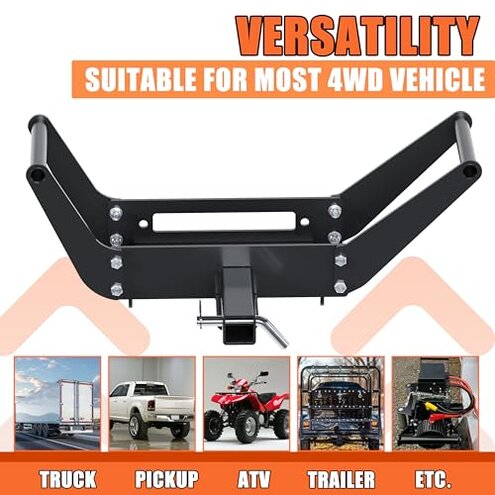
This is another primary buyer risk. The product is marketed for several vehicle types and a wide winch range, but that broad promise can create the wrong expectation.
- Pattern: Recurring concern across feedback where buyers assumed broad compatibility meant easy real-world matching.
- When it appears: It usually becomes clear only after the buyer already has the mount and starts pairing it with their own receiver and winch.
- Severity: This is less frequent than hole-alignment complaints, but more frustrating when it causes a return or stalled project.
- Why worse than normal: In this category, fit charts are rarely perfect, but mid-range alternatives often communicate tighter fit expectations or need fewer workarounds.
- User-visible impact: Buyers lose time checking dimensions, spacing, and hitch setup details that they assumed were already covered.
- Attempted workaround: Some owners can make it work with adjustment, but that is not the same as true plug-in compatibility.
- Hidden cost: The extra effort can delay a recovery setup that buyers wanted ready before they actually needed it.
Illustrative excerpt: “It technically fit my setup, but not without more tweaking than expected.” Primary pattern.
Is the budget price worth the extra setup risk?
This is the trade-off question behind most regret. Buyers are often drawn in by the lower price, then decide the savings were not enough once installation gets messy.
- Pattern: This is a recurring value complaint tied to setup friction rather than a single broken part.
- When it hits: The feeling usually appears on first use day, when the mount delays a winch project instead of finishing it.
- Category contrast: Budget hardware normally asks for some compromise, but here the extra effort can be higher than many shoppers expect from a basic hitch accessory.
- Buyer outcome: The low upfront cost matters less if it adds return hassle, drilling time, or confidence issues.
- Who feels it most: Buyers with limited tools, limited install experience, or a tight schedule notice this problem fastest.
- Fixability: If you are comfortable modifying fit, the value case improves; if not, the bargain can disappear quickly.
- Regret trigger: The product feels cheapest when “easy install” was the main reason for buying.
Illustrative excerpt: “Saved money up front, but cost me more time than I wanted.” Secondary pattern.
Who should avoid this
- Avoid it if you need a true near-bolt-on install, because fitment friction is the most common complaint and shows up before first use.
- Avoid it if you do not have extra tools or drilling confidence, since hidden setup requirements appear repeatedly.
- Avoid it if your recovery gear must be ready fast, because compatibility uncertainty can delay the whole project.
- Avoid it if you prefer fixed, simple hardware, since the foldable design adds a trade-off some buyers find less reassuring.
Who this is actually good for
- Better for buyers who prioritize lower price and accept that setup may take extra adjustment.
- Better for owners with fabrication experience who can handle slotting, drilling, or alignment checks without much frustration.
- Better for occasional users who value the folding storage benefit and can tolerate added setup inspection.
- Better for buyers treating this as a project part, not a quick ready-to-use receiver accessory.
Expectation vs reality
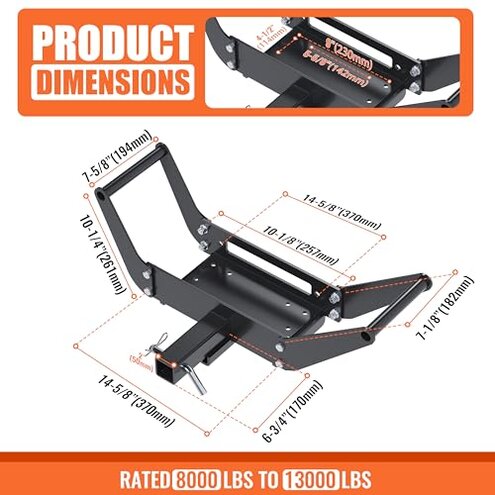
Expectation: A reasonable assumption for this category is a mostly straightforward install with maybe minor alignment nudging.
Reality: Worse than expected, the setup can turn into a test-fit and modification job before the mount feels usable.
Expectation: A folding mount should make storage easier without changing much else.
Reality: Mixed result; storage may improve, but some buyers feel the design adds another point of setup scrutiny.
Expectation: Broad vehicle and winch compatibility should reduce shopping risk.
Reality: Less certain; the broad claim can still leave buyers checking measurements and making adjustments after delivery.
Safer alternatives
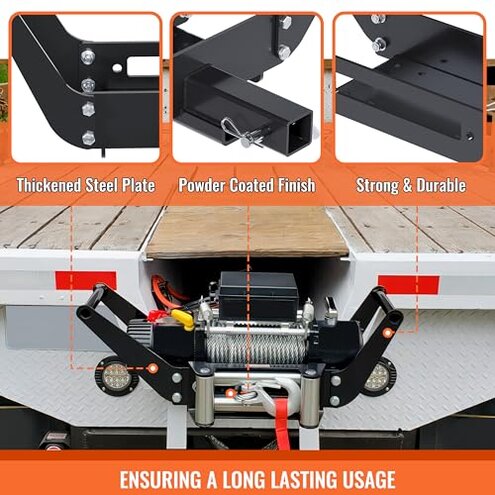
- Choose tighter fit guidance by looking for listings with clearer receiver and winch spacing details, which helps neutralize the broad-compatibility risk.
- Prefer fixed mounts if you care more about install simplicity than storage, which reduces the folding-design trade-off.
- Look for hardware with setup photos showing real installed positions, because that helps catch alignment issues before buying.
- Buy from lines known for cleaner tolerances if you lack tools, since the biggest risk here is higher-than-normal install rework.
The bottom line
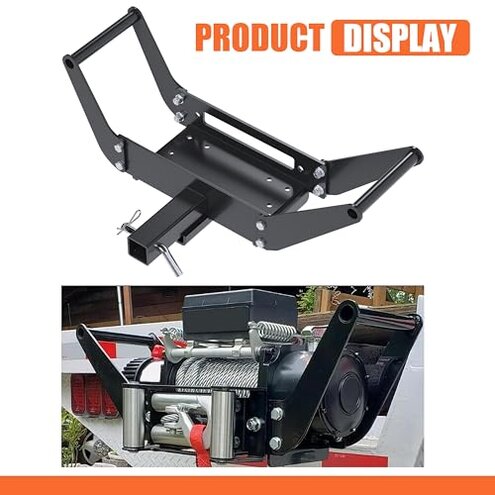
Main regret trigger: Buyers expecting an easy winch mount often run into fit and alignment work during the first install.
Why this exceeds normal risk: Some tweaking is normal in this category, but the repeated need for extra adjustment makes this more disruptive than a typical mid-range alternative.
Verdict: Skip it if your priority is predictable fit and fast setup. Consider it only if you accept a lower price in exchange for a higher chance of modification.
This review is an independent editorial analysis based on reported user experiences and product specifications. NegReview.com does not sell products.