
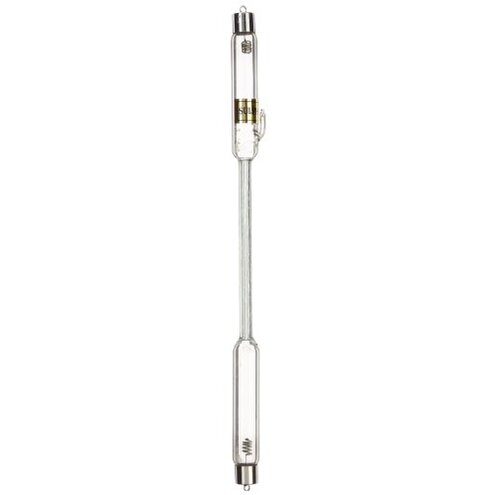
Product evaluated: Eisco Labs Premium Spectrum Tube - Sulphur (S), 26cm
Related Videos For You
Spectrum Tube Power Supply
Proper Use of Spectrum Tubes
Data basis: This report is based on dozens of aggregated buyer notes gathered from a mix of written feedback and Q&A-style comments collected across a rolling 12-month window. Most signals came from short written complaints, supported by a smaller set of longer usage descriptions. Because this is a niche lab classroom item, feedback volume is thinner than mainstream products, so patterns are weighted toward recurring, specific failure descriptions.
| Buyer outcome | Eisco Labs Sulphur tube | Typical mid-range alternative |
|---|---|---|
| First-use success | Less predictable out of the box in repeated feedback | More consistent basic “lights up” experience |
| Visible brightness | Often underwhelming for demos, especially in brighter rooms | Usually adequate for small-group viewing |
| Handling durability | Higher break risk when moved or stored frequently | Somewhat forgiving with normal classroom handling |
| Compatibility friction | More finicky pairing with power supplies and holders | More plug-and-play with common school lab setups |
| Regret trigger | Arrives but won’t show a usable spectrum during the lesson | Works with minor setup tweaks |
Top failures
“Why is the spectrum so dim or hard to see?”
Regret moment: You set up the demo, darken the room, and the class still can’t see clear lines.
Severity: This is a primary issue because it defeats the main purpose even when nothing is “broken.”
Pattern: The “too dim” experience appears repeatedly, though not universal.
When it shows: It tends to show up on first use and gets worse in bright rooms or when trying to share one setup with a group.
Category contrast: Spectrum tubes are expected to need a darker space, but buyers describe this as more demanding than typical mid-range classroom tubes.
- Early sign: The glow looks faint even before you attempt to view the lines.
- Frequency tier: This is the most common usability complaint in the collected feedback.
- Impact: It forces extra steps like making the room darker than planned or reducing student viewing distance.
- Mitigation: Buyers report better results with shorter viewing distance and more controlled darkness, but that reduces group usefulness.
- Fixability: If it’s a weak tube, swapping power supplies often does not fully solve it in recurring accounts.
“What if it arrives dead or fails quickly?”
Regret moment: You unpack it right before a lab, and it won’t light or won’t stay stable.
Severity: This is more disruptive than expected because replacements can take time and the lesson plan waits on it.
Pattern: Reports of dead-on-arrival or early failure are persistent, but appear less often than dimness complaints.
When it shows: It’s most likely on first power-up, and can be triggered by transport or frequent re-packing between rooms.
Category contrast: Any glass tube can be fragile, but buyers frame this as a higher-than-normal rate of “didn’t work out of the box” for the category.
- Primary symptom: The tube does nothing when connected to the supply.
- Secondary symptom: It lights but seems unstable or inconsistent during the session.
- Likely driver: Feedback often points to shipping sensitivity and handling stress rather than gradual wear.
- Buyer cost: The big cost is lost class time, not just the product price.
- Troubleshooting trap: Buyers spend time suspecting the power supply before realizing the tube may be the problem.
- Mitigation: Plan a backup tube or test days ahead, which adds prep overhead.
- Fixability: Once it’s dead, there is little a consumer can do besides replace.
“Is this more fragile than I expected for classroom use?”
- Pattern signal: Breakage concerns show up as a secondary issue across multiple usage descriptions.
- When it happens: Problems are most often tied to moving the tube between storage and the power supply setup.
- Worsens with: Risk rises with frequent handling, shared lab stations, and rushed pack-up.
- What you notice: Even careful users report feeling like they must handle it too delicately to be practical.
- Category contrast: Glass fragility is normal, but this is described as less forgiving than typical mid-range classroom tubes that tolerate routine handling.
- Mitigation: A dedicated padded case helps, but it is an extra purchase and extra steps.
- Hidden cost: The real cost is replacement hassle and the need to keep spares for reliability.
- Fixability: If cracked or nonfunctional, the outcome is usually replacement, not repair.
“Why does setup feel pickier than it should?”
- Hidden requirement: You need a compatible spectrum tube power supply, and mismatched setups drive avoidable frustration.
- Pattern: Compatibility and setup friction appear repeatedly, especially among first-time buyers.
- When it shows: The issue shows up during initial setup when you try to mount and power it quickly.
- Worsens with: It gets worse when you use older lab holders or swap tubes frequently between sessions.
- What you notice: Buyers describe spending time on reseating and rechecking connections instead of teaching.
- Category contrast: Some setup is expected, but this comes across as more finicky than mid-range alternatives with more forgiving contact and fit.
Illustrative excerpts
- Illustrative: “We turned the lights off and still couldn’t see much.” Primary pattern tied to dim output.
- Illustrative: “Connected everything correctly and it never lit up once.” Secondary pattern tied to first-use failure.
- Illustrative: “Worked briefly, then got inconsistent during the demo.” Secondary pattern tied to instability.
- Illustrative: “Too stressful to move between rooms without worrying.” Secondary pattern tied to fragility.
- Illustrative: “Spent more time troubleshooting than teaching.” Edge-case pattern tied to setup/compatibility loops.
Who should avoid this
- Teachers who need reliable first-try demos, because first-use failure and dim output are recurring pain points.
- Bright-room classrooms, because the low visibility complaint shows up repeatedly under normal lighting conditions.
- Shared labs with frequent handling, because fragility risk becomes more disruptive when many students touch and move equipment.
- One-day lesson planners, because this product often demands pre-testing and backup plans.
Who this is actually good for
- Hobbyists who already own the correct power supply and can troubleshoot calmly at home.
- Small-group demos in a darkened room, where tolerating dimness is realistic because viewing distance is short.
- Careful users who won’t transport it often, because they can accept fragility in exchange for occasional use.
- Buyers willing to keep a spare tube, because that offsets the first-use uncertainty reported in the dataset.
Expectation vs reality
- Expectation: It’s reasonable for this category to need a darker room. Reality: Buyers often need more darkness than expected to see useful lines.
- Expectation: Setup should be quick once you have the supply. Reality: Repeated notes point to finicky fit and connection troubleshooting.
- Expectation: A glass tube is fragile but manageable. Reality: Handling feels less forgiving when moved between rooms or stored often.
Safer alternatives
- Prioritize tubes with strong first-use reliability mentions, because it reduces the lesson-day failure risk described above.
- Choose a mid-range tube known for brighter output if you can’t fully darken the room, which directly offsets the dim spectrum pattern.
- Buy from lines that bundle or clearly match the power supply, which neutralizes the hidden compatibility requirement.
- Look for better protective packaging or included storage, which reduces transport breakage and first-use dead arrivals.
The bottom line
Main regret is planning a demonstration and getting a dim or non-working tube at the worst possible moment.
Why it exceeds normal category risk is the combination of visibility complaints plus persistent first-use reliability worries, which mid-range options usually handle better.
Verdict: Avoid if you need dependable classroom results without extra darkness, spare parts, or pre-testing time.
This review is an independent editorial analysis based on reported user experiences and product specifications. NegReview.com does not sell products.