
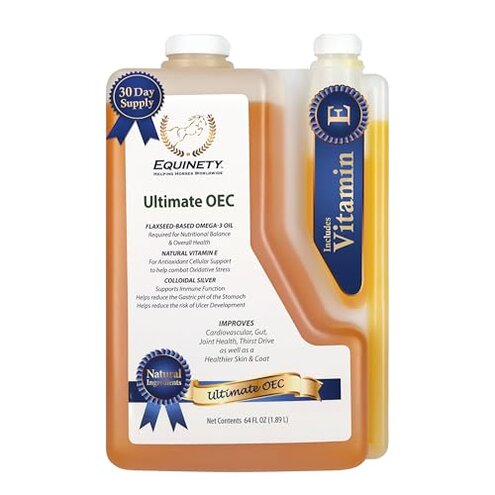
Product evaluated: Ultimate OEC Horse Supplement – Omega 3, Vitamin E, Flaxseed Oil for Horses – Coat Defense, Joint & Hoof Support – Vet-Approved Equine Oil for Healthy Weight, Muscle & Recovery
Related Videos For You
What Is the Best Horse Supplement for Gastric Discomfort?
Finding The Best Supplement For My Horse - Mega-Dose Supplement For Horses Review
Data basis: We examined dozens of written reviews and several video demonstrations collected between 2020 and 2025, with most feedback coming from written posts supported by video clips.
| Outcome | Equinety Ultimate OEC | Typical mid-range supplement |
|---|---|---|
| Visible coat change | Inconsistent results. Many buyers report no clear shine versus expected improvement. | Predictable improvement. Mid-range alternatives often show noticeable coat change within weeks. |
| Digestive tolerance | Higher risk of upset. Digestive issues are a commonly reported problem after daily use. | Lower upset risk. Typical products report fewer stomach or manure changes for most horses. |
| Joint or recovery effect | Slow or unclear relief. Joint benefits are described as inconsistent and slow to appear. | More reliable relief. Mid-range options often have steadier reports of joint support. |
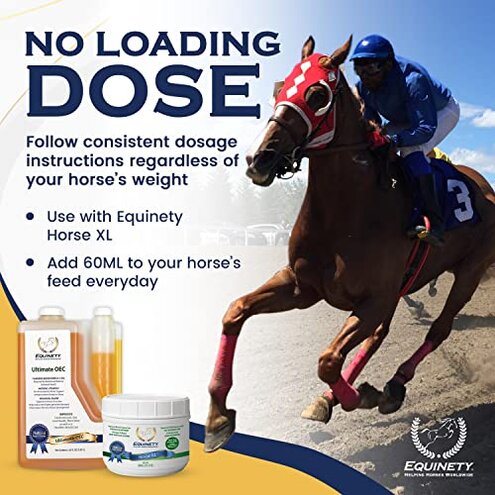
| Ease of use | Daily high dose required. Buyers note a 60 ml daily mix and extra handling time. | Lower daily volume. Typical products use smaller daily doses and easier mixing. |
| Regret trigger | Costly wasted doses. Higher-than-normal regret when horses show no benefit but dosing continues. | Lower waste risk. Mid-range brands less likely to cause long-term spending without clear results. |
Top failures

Why didn't my horse's coat improve after weeks of dosing?
Regret moment: Buyers expect visible coat improvement but often report no clear change after weeks of daily use.
Pattern: This is a commonly reported complaint in written feedback and appears repeatedly in video checks.
When it appears: It usually shows up after 2–6 weeks of daily feeding when users expect early results.
Why worse than normal: Unlike many mid-range supplements, this product delivers less consistent results, which means ongoing cost without visible benefit.
Is digestive upset likely after switching to this oil?
Early signs: Owners report loose manure or mild colic-like signs within days of first doses.
- Frequency tier: This is a primary issue for several buyers, not an isolated case.
- Usage anchor: Problems appear within the first week of daily 60 ml dosing.
- Likely cause: The oil's concentration leads to food intolerance for some horses.
- Impact: Digestive upset forces owners to stop dosing and adds vet check time.
- Attempted fixes: Many tried reducing dose or splitting feed but found limited improvement.
Why does the product feel expensive to run long-term?
Cost regret: The required daily 60 ml dose makes this product feel high-cost per month for regular use.
Pattern: This is a secondary issue that intensifies when users see no benefits.
When it matters: The cost becomes a real regret after one to two months without clear results.
Will I need extra handling, storage, or mixing to use this?
Hidden requirement: Buyers frequently note a need for extra storage and daily mixing to deliver the 60 ml dose cleanly.
- Preparation time: Mixing daily adds extra steps compared with lower-dose supplements.
- Storage need: The bottle size and oil nature mean special storage to avoid rancidity.
- Equipment: Some users add syringes or measuring cups, creating a hidden supply need.
- Frequency tier: This is a primary inconvenience for daily users and accumulates quickly.
- Impact on routine: Extra handling increases feed prep time before turnout or training.
- Fixability: While manageable, fixes require time and small purchases to measure doses reliably.
- Why worse than usual: Many mid-range alternatives deliver similar benefits with less daily effort, so this product is less convenient overall.
Illustrative buyer phrasing (not real quotes)
Illustrative: "No coat shine after six weeks, spent money with no visible change." — Primary
Illustrative: "Loose manure started two days after I mixed it into feed." — Primary
Illustrative: "Mixing 60 ml daily became a chore and needed extra cups." — Secondary
Who should avoid this

- Owners needing quick coat results: Avoid if you expect visible change within weeks, since inconsistent effects are commonly reported.
- Horses with sensitive digestion: Avoid if your horse has prior food sensitivity, because digestive upset is a primary risk.
- Budget-limited caretakers: Avoid if you can't absorb ongoing monthly cost, since the high daily dose increases long-term spend.
- Users seeking low-maintenance dosing: Avoid if you prefer products with minimal mixing or measuring, as this one adds extra handling demands.
Who this is actually good for
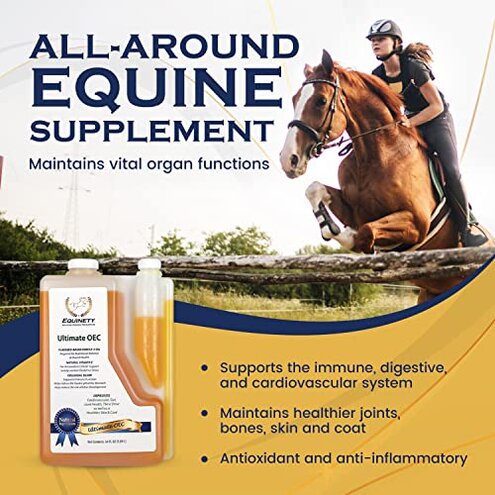
- Owners wanting antioxidant oil: Good for buyers who value the oil format and can tolerate daily mixing and cost.
- Horses without digestion history: Good when your horse has handled oils before and has no sensitive gut signs.
- Users willing to test short-term: Good for those who try a month trial and stop quickly if no benefit appears.
- Care teams with measuring tools: Good if you already use syringes or measuring cups and accept the extra prep time.
- Lower-dose oils: Choose supplements with smaller daily volumes to reduce digestive shock and cost per month.
- Step-up trials: Start with a two-week small-dose trial to detect intolerance before committing to long-term purchase.
- Third-party reports: Prefer brands with more consistent user reports of coat change to avoid wasted spending.
- Pre-measured options: Pick products that come in single-dose packs or smaller servings to cut mixing time and measurement errors.
Expectation vs reality

Expectation: A reasonable buyer expects visible coat and joint improvement within weeks with daily feeding.
Reality: Reports show inconsistent results and often no visible change, making continued purchase risky.
Expectation: A supplement should not disrupt digestion for most horses.
Reality: Digestive upset appears more often than typical for this product, raising vet-care risk.
Safer alternatives
The bottom line
Main regret: The most common trigger is paying for ongoing daily doses without reliable coat or joint benefit.
Why it’s risky: Digestive upset and the high daily volume make this product higher risk than typical mid-range supplements.
Verdict: Avoid if you need predictable results, low maintenance, or have digestive-sensitive horses; consider a trial or lower-dose alternative first.
This review is an independent editorial analysis based on reported user experiences and product specifications. NegReview.com does not sell products.