
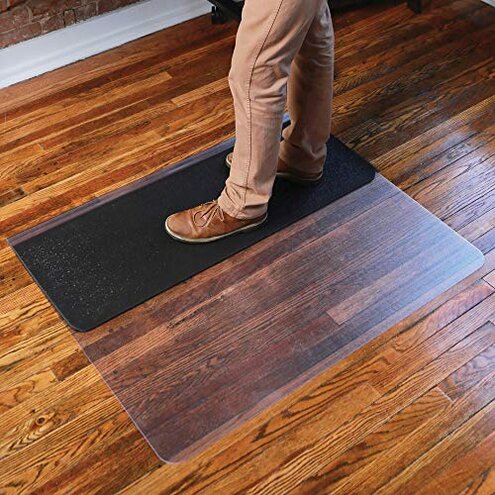
Product evaluated: ES Robbins Sit Or Stand Mat for Carpet Or Hard Floors, 45 X 53, Clear/Black
Related Videos For You
I Spent $1,000 on Standing Desk Mats/Boards to Find the Best One
Best THICK SMOOTH Rolling Chair Mat For Soft Carpet!
Data basis: This report is based on dozens of aggregated buyer feedback items collected from written ratings and photo/video-backed impressions spanning 2023-06 through 2026-03. Most input came from longer written descriptions, with supporting media notes used to confirm how problems show up during daily desk use.
| Buyer outcome | ES Robbins Sit Or Stand Mat | Typical mid-range option |
|---|---|---|
| Floor stability | Higher risk of shifting or edge behavior during transitions | Moderate risk, usually steadier once placed |
| Chair roll feel | Mixed reports: rolls fine for some, drag for others | More consistent roll across common chair types |
| Stand comfort | Polarizing: cushion helps some, feels awkward for others | Predictable comfort if you buy a dedicated standing mat |
| Space fit | Large footprint (45" x 53") can be hard to place cleanly | Easier to fit common desk bays |
| Regret trigger | Transition friction when switching sit-to-stand becomes annoying | Lower transition hassle for most setups |
“Why does it feel fussy when I switch from chair to standing?”
Regret moment tends to hit during the sit-to-stand switch, when you expect one surface to “just work” for both modes. A recurring theme is that the dual-purpose idea can create extra micro-adjustments that feel more disruptive than expected for this category.
Pattern is not universal, but it appears repeatedly in feedback that describes daily desk transitions. The trade-off is convenience on paper versus real-world repositioning and attention.
When it shows: after setup, during normal workdays, especially when you move the chair in and out often. Category contrast: most mid-range buyers expect “set it and forget it,” but this can demand more babysitting.
- Early sign: you notice yourself nudging the mat back into place after a few stand/sit swaps.
- Primary issue: transition behavior is a top complaint cluster, more disruptive than people expect from a desk mat.
- Worsens with: frequent chair movement and long sessions where small shifts add up.
- Impact: you lose the “quick switch” benefit that sit-stand setups are bought for.
- Mitigation: planning a fixed mat position can help, but it adds a setup routine many didn’t anticipate.
- Fixability: partly fixable with layout changes, but not fully if your workflow demands constant rolling.
- Illustrative: “I love the idea, but I keep adjusting it every time.” Signal: primary pattern.
“Why isn’t the chair rolling smoothly like a normal chair mat?”
Frustration shows up when the chair doesn’t glide the way buyers expect from a chair mat. This is a persistent secondary complaint, because it directly affects every sit-down minute.
- When noticed: during first week use, when you compare it to your old chair mat habits.
- Secondary issue: “roll resistance” shows up less than shifting, but it is more irritating when it happens.
- Condition: worse during quick scoots, repositioning, or when you pivot in place often.
- Category contrast: mid-range mats usually deliver predictable glide, but dual-purpose designs can feel less consistent.
- Workaround: some users change chair movement style, which is a hidden behavior change, not a real fix.
- Time cost: you may stand up to reposition instead of rolling, adding extra steps.
- Illustrative: “My chair doesn’t slide like it used to on my old mat.” Signal: secondary pattern.
“Is the standing side actually comfortable for long stretches?”
Disappointment tends to show up after a long standing block, not in the first 2 minutes. Feedback is mixed, but the negative side clusters around comfort feeling “off” versus a dedicated standing mat.
- When it hits: after repeated use, once the novelty of standing more wears off.
- Pattern: not universal, but it appears repeatedly among people expecting plush relief.
- Condition: worse for long sessions where pressure points become obvious.
- Category contrast: many mid-range standing mats are purpose-built for comfort, while hybrid mats can compromise feel.
- Trade-off: you gain a combo product but may lose the “ahh” comfort people want from standing support.
- Mitigation: shorter standing intervals can help, but that undermines the sit-stand goal.
- Expectation gap: comfort is subjective, so returns become more likely if you can’t test first.
- Illustrative: “Standing feels okay at first, then my feet want something softer.” Signal: secondary pattern.
“Do I need a specific layout for this to work?”
Hidden requirement complaints show up when buyers realize their desk area does not match the mat’s needs. This is an edge-case issue, but it can be a total deal-breaker when it occurs.
- Trigger: after unboxing, you try to fit the 45" x 53" footprint into your desk bay.
- Edge-case: not as common as comfort or rolling, but far more final when space is tight.
- Condition: worse in smaller offices, shared spaces, or desks near walls and file cabinets.
- Category contrast: many mid-range mats come in more common footprints, while this size can force rearranging.
- Hidden step: you may need to re-route cable trays, move a bin, or shift the desk to avoid catching edges.
- Impact: if it doesn’t sit cleanly, daily transitions get worse, not better.
- Illustrative: “It’s huge, and now my chair hits the edge near the cabinet.” Signal: edge-case pattern.
Who should avoid this
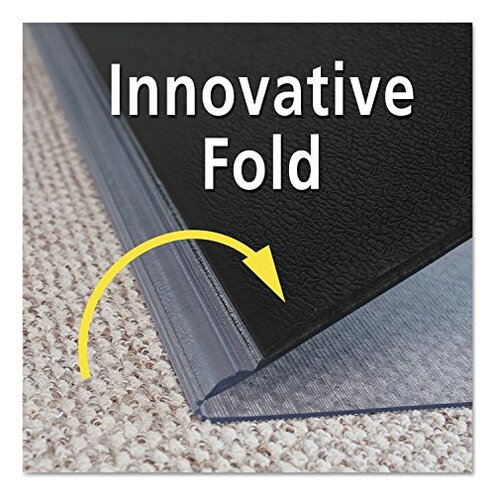
- High-switch users who move between sitting and standing many times per day may hate the transition friction.
- Glide-sensitive users who expect effortless rolling should avoid the inconsistent roll risk.
- Comfort-first buyers doing long standing blocks may regret the mixed comfort trade-off.
- Small-space setups should skip it if the 45" x 53" footprint forces furniture rearranging.
Who this is actually good for
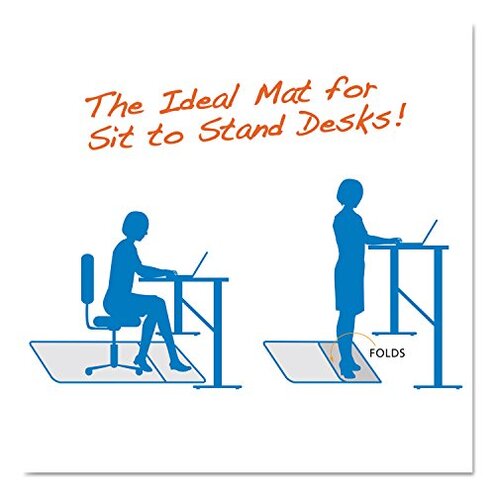
- Low-switch workers who stand in planned blocks can tolerate the transition quirks because they move less often.
- Large office setups with plenty of clearance can accept the big footprint without edge collisions.
- Hybrid minimalists who want one surface and can accept compromise feel versus buying two dedicated products.
- Patient tweakers willing to experiment with placement can reduce daily fuss enough to be satisfied.
Expectation vs reality
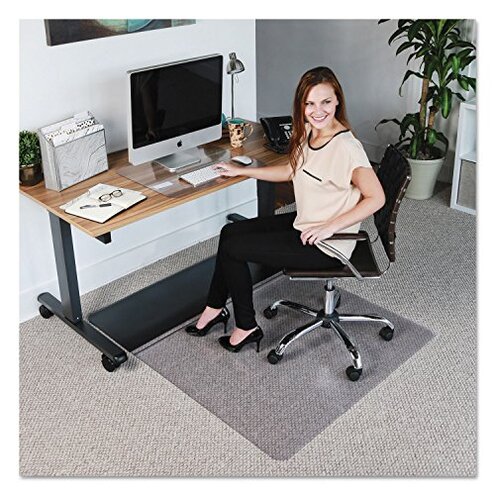
Expectation: a dual-purpose mat should make sit-stand switching simpler. Reality: recurring feedback suggests switching can add extra adjustments during daily use.
Expectation (reasonable for this category): a chair mat gives consistent glide with normal rolling. Reality: a secondary pattern describes variable rolling feel that depends on how you move.
| Expectation | What some buyers run into |
| Standing comfort like a dedicated cushion | Mixed relief, especially after longer standing sessions |
| Easy fit under most desks | Layout limits because the footprint can crowd tight spaces |
Safer alternatives
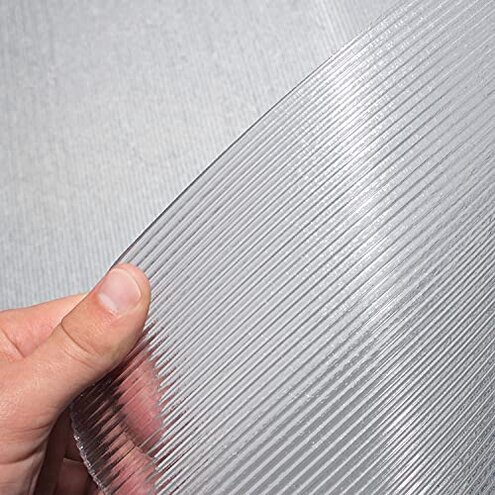
- Separate products: choose a basic chair mat plus a dedicated standing mat to avoid transition compromise.
- Measure first: map your clearance before buying to prevent the footprint surprise.
- Prioritize glide: if rolling matters most, pick a mat marketed mainly for chair movement, not hybrid use.
- Prioritize comfort: if standing relief is the goal, pick a mat designed for long standing, then add floor protection separately.
- Test workflow: simulate a day of chair in/out moves to see if you’ll hate the daily nudging pattern.
The bottom line
Main regret is that the sit-to-stand switch can feel fussy instead of seamless. That exceeds normal category risk because most mid-range buyers expect a mat to be predictable once placed.
Verdict: avoid if you need effortless transitions and consistent rolling, and consider simpler single-purpose options instead.
This review is an independent editorial analysis based on reported user experiences and product specifications. NegReview.com does not sell products.