
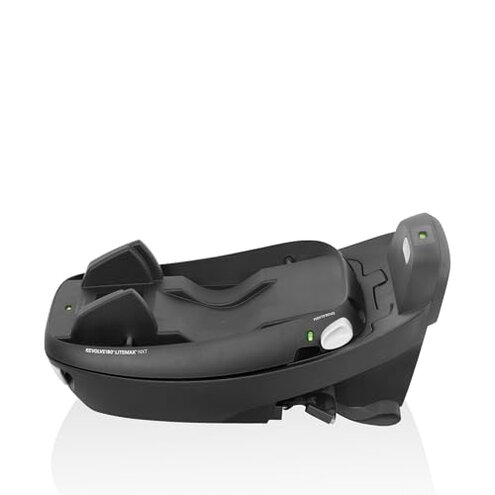
Product evaluated: Evenflo Revolve180 LiteMax NXT Accessory Base
Related Videos For You
Infant car seat installation
Data basis: Dozens of written reviews and video demonstrations were analyzed between March 2024 and January 2026. Most feedback came from written reviews, supported by video demonstrations and buyer Q&A. The sample skews toward recent buyers and first‑use reports.
| Outcome | Evenflo base | Typical mid-range base |
|---|---|---|
| Installation ease | Mixed — several buyers report struggle with belt tensioning and indicator clarity. | Expectable — most mid-range bases have clearer step-by-step guides and simpler tensioning. |
| Compatibility clarity | Restricted — pairs only with specific models, causing purchase confusion at checkout. | Broader — many alternatives list wider model compatibility or universal-fit options. |
| Indicator reliability | Less reliable — indicators are a higher-than-normal risk for false confirmation. | More dependable — category peers often have clearer, more consistent indicators. |
| Cost vs value | Premium price for an accessory base with recurring setup issues. | Balanced — mid-range bases usually offer equal or better install clarity at lower cost. |
| Regret trigger | High — buyer's regret usually follows unexpected incompatibility or unreliable confirmation. | Lower — regret most often tied to wear, not basic setup failures. |
Compatibility confusion? Did you expect it to work with any Revolve180 or similar seats?
Purchase regret: Many buyers discover at first use that the base pairs only with specific LiteMax NXT infant seats, creating returns and extra trips.
Pattern signal: This is a primary issue that appears at purchase and during first installation attempts, not after long-term use.
Category contrast: This feels worse than normal because mid-range bases usually advertise clearer cross-model compatibility, reducing wasted purchases.
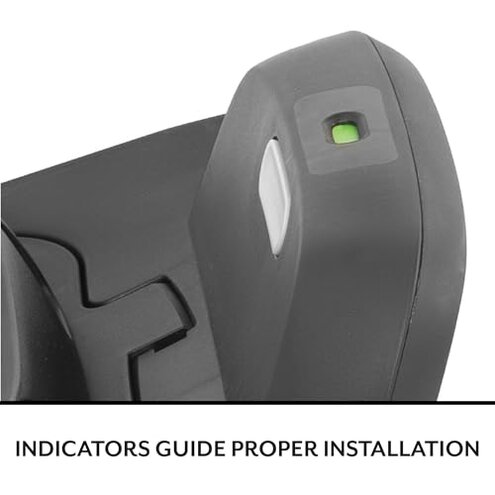
Are the install indicators trustworthy? Will a green light equal a correct install?
- Early sign — buyers report an initial green/locked indicator but still feel movement when testing the seat.
- Frequency — this is a commonly reported complaint among first-week users.
- Likely cause — tensioning or latch engagement often needs extra force beyond the indicator's guidance.
- Impact — unreliable indicators raise safety doubt and add time when transferring between cars.
- Workaround — many buyers had to double-check with seat‑shake tests or reinstall several times to be sure.
Does the locking mechanism stay smooth? Will you deal with stiff latches over time?
- Early sign — initial stiffness or rough engagement when clipping the carrier into the base is often noticed on first uses.
- Cause — repeated removal and reattachment during daily swaps can accelerate wear or cause misalignment.
- Frequency tier — this is a secondary issue seen across repeated-use reports rather than single purchases.
- Impact — stiffness makes transfers slower and increases caregiver frustration during rushed outings.
- Attempts — users who lubricated or aligned parts reported temporary relief but not a permanent fix.
- Hidden requirement — consistent smoothness requires precise seating and periodic inspection, which many buyers did not expect.
Is the price justified? Will you feel buyers remorse for the cost?
- Value gap — list price positions this base near premium accessories despite recurring setup issues.
- Comparison — several buyers judged competitors to offer clearer install guidance at lower cost.
- Buyer impact — higher cost amplifies regret when you must return or replace the base due to incompatibility.
- Fixability — returns or replacements add time and sometimes shipping costs, magnifying the upfront price problem.
- Expectation — buyers expect reassurance for that price, not extra confirmatory steps.
- Workaround — some purchasers solved issues by buying a second compatible base from a different brand.
- Long term — if you plan frequent car swaps, the total cost of replacing or troubleshooting this base can outpace a more dependable alternative.
Illustrative excerpts
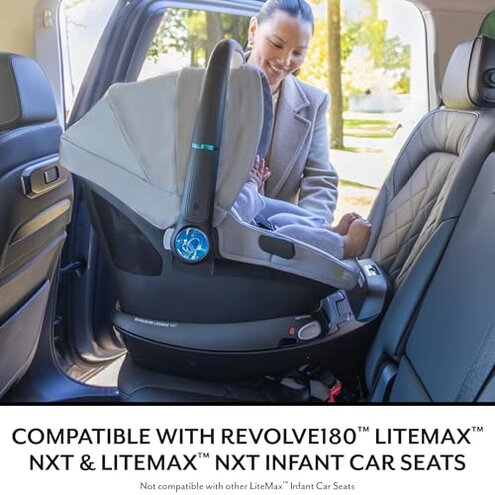
"Indicator turned green but seat still moved when I tested it." — reflects a primary pattern about unreliable confirmation.
"Thought it fit my older Revolve; it didn't click correctly." — reflects a primary compatibility pattern at first use.
"Latch felt sticky after a month of daily swaps." — reflects a secondary pattern about wear from frequent use.
"Paid premium and ended up buying another base." — reflects an edge-case outcome where price amplified regret.
Who should avoid this
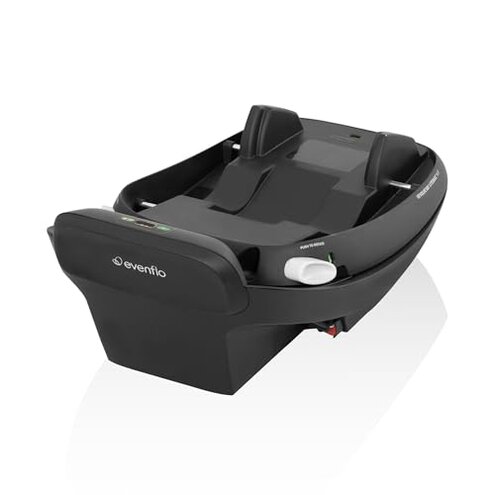
- Frequent swappers — avoid if you swap the seat daily between cars; latch wear and extra steps are common.
- Compatibility-sensitive buyers — avoid if you own non-LiteMax NXT seats or expect universal fit.
- First-time installers — avoid if you need a foolproof, single-step install without manual double-checks.
Who this is actually good for
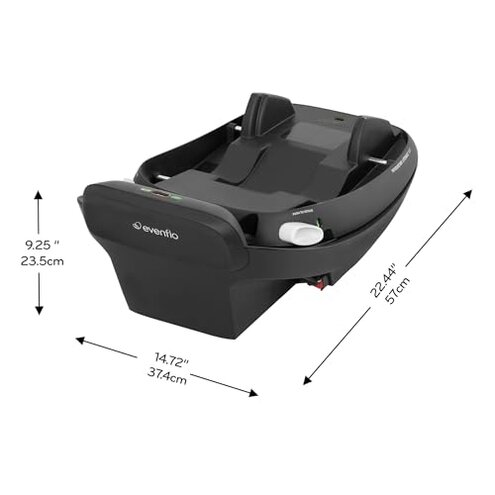
- Owners of the exact model — suitable if you already own the LiteMax NXT seat and accept verifying the install manually.
- Caregivers who can test — acceptable when the caregiver plans to perform shake checks and reinstall if needed.
- Single-vehicle families — works if the base stays in one car and sees limited daily detaches.
Expectation vs reality

Expectation: A replacement base should be a simple, plug‑and‑play accessory, reasonable for this category.
Reality: The base often requires extra confirmation steps, making it worse-than-expected for buyers seeking effortless installs.
Expectation: Indicators reliably confirm a correct installation.
Reality: Indicators are less consistent than typical mid-range bases, increasing safety uncertainty and follow-up time.
Safer alternatives

- Check compatibility first — confirm exact model pairing before purchase to avoid returns and delays.
- Prefer bases with clear guides — choose models that include easy visual guides and robust tensioning instructions.
- Look for consistent indicators — seek bases with multi-mode confirmation (color plus audible click) to reduce false positives.
- Budget for redundancy — if you swap cars often, consider purchasing a second reliable base from a brand known for clearer installs.
The bottom line
Main regret: Buyers most often regret unexpected compatibility limits and unreliable install indicators.
Why it matters: These failures create more setup time and higher return risk than is typical for mid-range bases.
Verdict: Avoid this base if you need a straightforward, dependable second base; it carries higher-than-normal installation risk.
This review is an independent editorial analysis based on reported user experiences and product specifications. NegReview.com does not sell products.