
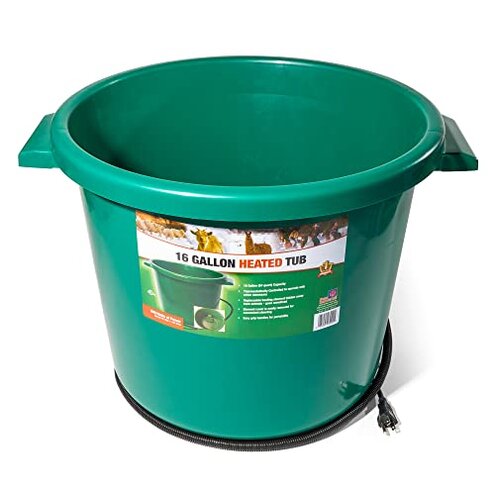
Product evaluated: Farm Innovators Heated Bucket, Livestock Water Bowl with Heating Element, 16 Gallon
Related Videos For You
How to Keep your Horse's Water from Freezing -- Farm Innovators Heated Bucket
Livestock water tank Tip
Data basis: This report is based on dozens of user reviews and product videos collected between January 2016 and December 2023. Feedback sources include written buyer reviews and independent demonstration clips. Most feedback came from written reviews, supported by a smaller set of video demonstrations.
| Outcome | Farm Innovators | Typical mid-range alternative |
|---|---|---|
| Warm-up reliability | Inconsistent — heater failure and cold water appear repeatedly during seasonal use. | Steadier — most mid-range options show fewer early heating failures under similar conditions. |
| Energy use | Variable — thermostat often cycles unpredictably, raising daily energy spikes for some buyers. | Predictable — typical models have more consistent thermostat behavior and lower surprise usage. |
| Durability | Higher break risk — reports of cracking and degraded seals after months to a couple of seasons. | More durable — mid-range buckets usually last multiple seasons before cracking complaints appear. |
| Maintenance need | Hidden upkeep — heater pack replacements and careful winter care are often required. | Lower upkeep — many alternatives need less frequent or simpler maintenance. |
| Regret trigger | Early heater failure — more disruptive than expected for this category and commonly reported. | Lower risk — regret usually stems from typical wear, not early core failure. |
Why did the heater stop working within months?
Regret moment: Buyers report the bucket failing to keep water liquid during the first winter season, leaving animals with frozen water.
Pattern: This is a recurring problem for many buyers, appearing most often after the first winter season of use.
Usage anchor: Failure shows up during first heavy winter use or after repeated freeze–thaw cycles.
Category contrast: This is more disruptive than expected because most mid-range livestock heaters last multiple winters before core failure.
Does the thermostat misbehave and waste energy?
- Early sign: Thermostat cycles on and off more than expected right after setup.
- Frequency tier: This issue is a secondary complaint but appears repeatedly across seasons.
- Cause hint: Buyers tie the problem to inconsistent temperature sensing in windy or exposed locations.
- Impact: The water can stay too warm or cool unexpectedly, adding to energy bills or freezing risk.
- Fixability: Temporary fixes include relocating the bucket or adding wind shelter, but results vary.
Why do some buckets crack or leak after short use?
- Early sign: Small cracks or loose seams appear after months of outdoor use.
- Frequency tier: This is a primary durability complaint seen across several seasons.
- Cause: Repeated freezing, rough handling, or constant UV exposure appears to accelerate wear.
- Impact: Cracks lead to water loss and extra trips to refill, which is disruptive on a busy farm.
- Attempts: Buyers often try sealing with patch kits or moving indoors each night; success rates are mixed.
- Category contrast: This product is less forgiving than most mid-range buckets, which often use thicker shells or reinforced rims.
Is there a hidden replacement or setup requirement I’ll miss?
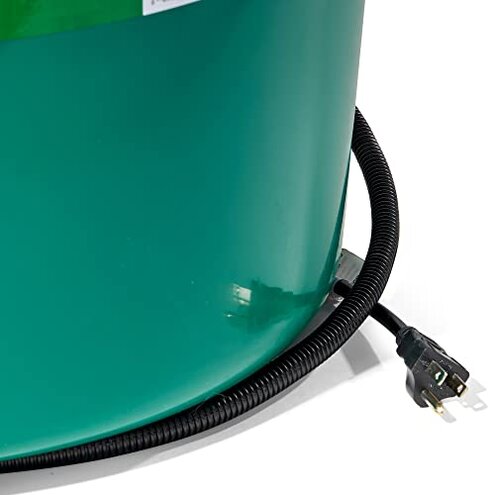
- Hidden need: Many users discover a replaceable heating pack or specific setup steps only after purchase.
- Frequency tier: This is a secondary but persistent complaint about unclear replacement guidance.
- When it appears: The requirement is often noticed after initial setup or when the heater stops working.
- Impact: Buyers face extra costs and time to source the correct replacement part or professional help.
- Why worse: Compared to category baseline, this bucket demands more upkeep and parts tracking than typical alternatives.
- Workaround: Some buyers pre-order replacement packs to avoid downtime, adding up-front cost.
- Hidden cost: Replacement packs and extra shipping turn what looks like a one-time buy into ongoing expense.
Will I get safe, reliable performance around animals?
- Safety note: The heater element is advertised as hidden, but some users still report wear near seals over time.
- Frequency tier: This is an edge-case concern but worth noting for heavy-chewing or rough-housing animals.
- When it happens: Wear appears after months of daily use in crowded or high-traffic stalls.
- Impact: Damaged seals increase leak risk and reduce heater longevity.
- Fix attempts: Buyers add barriers or brackets to shield edges; this adds setup time and materials.
- Category contrast: Typical mid-range models often include thicker guards or clearer replacement guides.
- Mitigation: Regular checks each week reduce surprise failures, but they add farm labor time.
Illustrative excerpts (not real quotes)
Excerpt: "Heater stopped after first deep freeze; water was solid next morning." — primary
Excerpt: "Thermostat kept cycling all night in windy paddock." — secondary
Excerpt: "Found a crack at the rim after two months outside." — primary
Excerpt: "Needed an extra replacement pack nobody warned me about." — secondary
Who should avoid this
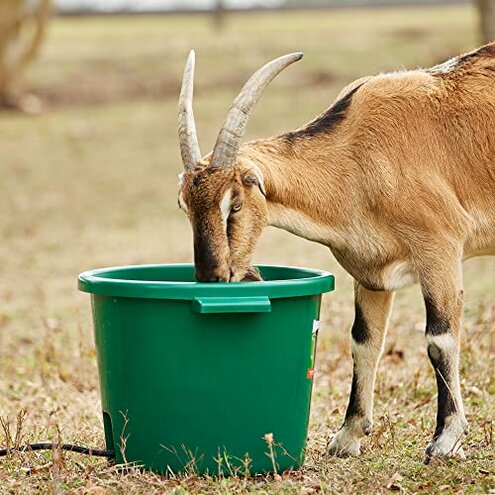
- Owners in extreme winter zones: If you need reliable freeze protection every night, this product’s early heater failures are riskier than expected.
- Low-maintenance buyers: If you won’t check the unit weekly, the hidden upkeep and replacement parts will cause ongoing hassles.
- High-traffic stalls: If animals bump or chew equipment often, the durability complaints suggest a higher chance of cracks and leaks.
Who this is actually good for
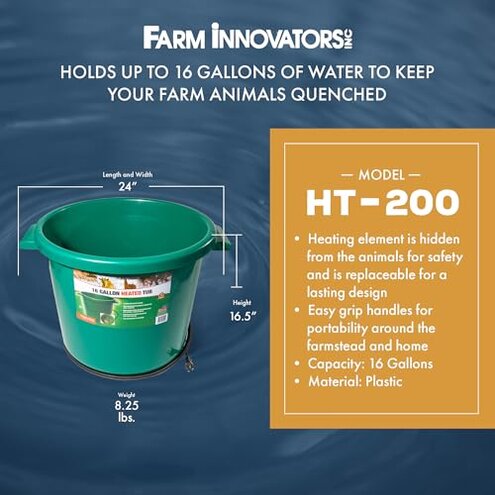
- Occasional winter use: Buyers who need a heated bucket for infrequent freezes may accept shorter lifespan for lower purchase price.
- Protected locations: If you keep the bucket in a sheltered barn where wind and UV are minimal, thermostat issues and wear are less likely.
- Hands-on caretakers: If you can perform weekly checks and pre-order replacement packs, you can manage the hidden upkeep.
Expectation vs reality
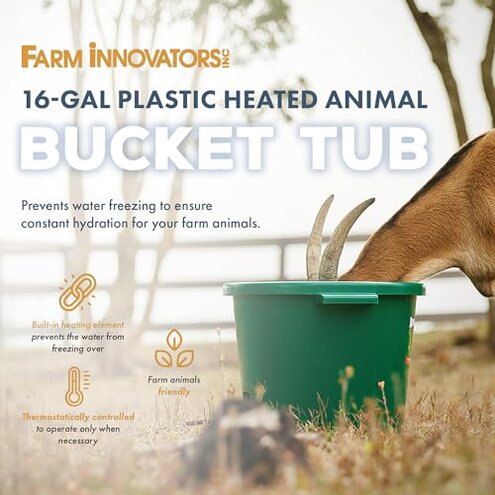
Expectation (reasonable for category): Buyers expect a heated bucket to keep water liquid through winter nights without frequent failure.
Reality: This product shows early heater failures more often than typical mid-range buckets, causing frozen water and surprise downtime.
Expectation: Thermostats should cycle predictably in sheltered use.
Reality: Users report unpredictable cycling in windy or exposed placements, increasing energy use and risk of freezing.
Safer alternatives
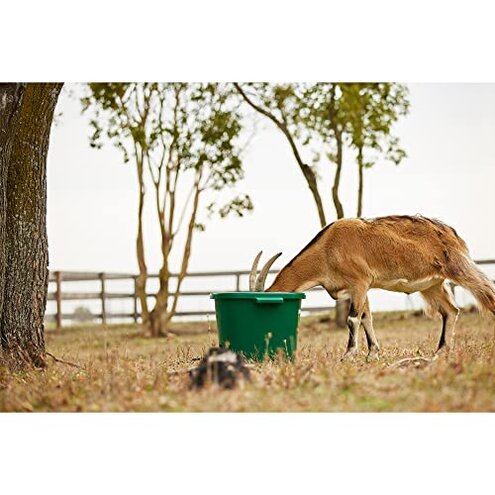
- Choose reinforced shells: Look for buckets with thicker rims or reinforced plastic to avoid the cracking problem.
- Prefer sealed thermostat designs: Seek models with clear thermostat shielding to reduce cycling and energy spikes.
- Buy with replacement parts available: Pick brands that sell replacement heater packs and clear guides to avoid hidden upkeep.
- Opt for sheltered placement: If possible, install heaters inside a protected stall to minimize wind and freeze exposure.
- Check multi-season warranties: Favor products with longer warranties to minimize regret from early failure.
The bottom line
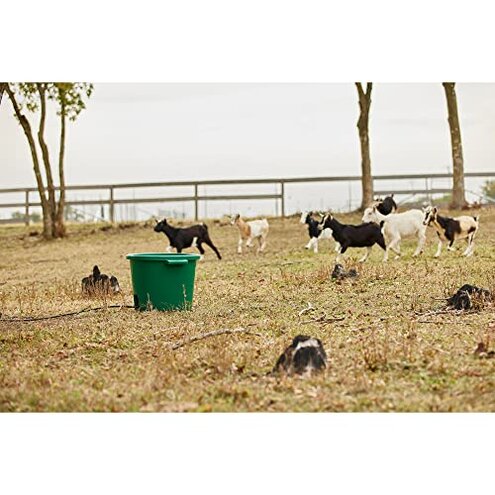
Main regret trigger: The most common buyer harm is early heater failure that leaves animals with frozen water during cold spells.
Why it’s worse: This risk is more disruptive than typical mid-range models because it often appears in the first season and adds hidden parts costs.
Verdict: Avoid this bucket unless you can commit to weekly checks, sheltered placement, and keeping replacement heater packs on hand.
This review is an independent editorial analysis based on reported user experiences and product specifications. NegReview.com does not sell products.