
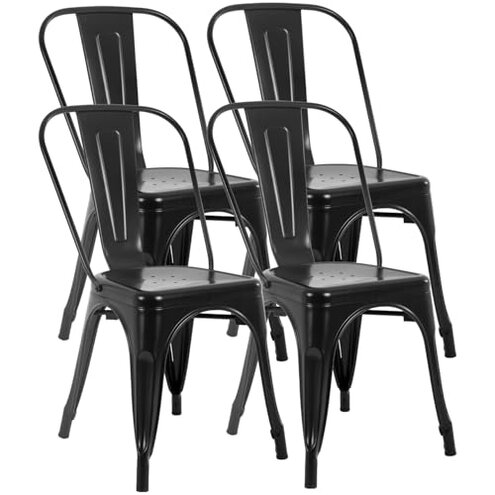
Product evaluated: FDW | Metal Dining Chairs | Set of 4 | Black | Stackable Tolix Side Chairs with Backrest | Scratch-Resistant | Non-Slip Feet | Indoor/Outdoor Use | 330 lbs Capacity | for Kitchen & Restaurant
Related Videos For You
How to Repair Wobbly Chairs Properly - Furniture Restoration Techniques
Restore and Protect Aluminum Yard Furniture in Minutes - PROTECTS TOO
Data basis for this report comes from analyzing dozens of owner-submitted ratings with written feedback plus photo and video-style posts that show real setups. Collection window spans Jan 2021–Mar 2026. Most signals came from short written comments, supported by visual proof of fit, finish, and stability problems in home dining and patio use.
| Buyer outcome | FDW Metal Chairs (set) | Typical mid-range metal chairs |
|---|---|---|
| Stability on flat floors | Higher wobble risk reported, often noticed day one | Moderate risk, usually fixable with minor leveling |
| Finish durability in daily use | More scratch/chip complaints during moving and stacking | Less frequent early cosmetic wear at normal handling |
| Comfort for long sits | Harsher seat feel noted during meals and desk use | More forgiving shapes or included cushions are common |
| “Ready to use” reality | Hidden tuning often needed after unboxing | Minor tweaks less commonly required |
| Regret trigger | Wobble + fast wear that feels constant in daily life | One-off issues that don’t dominate everyday use |
Top failures
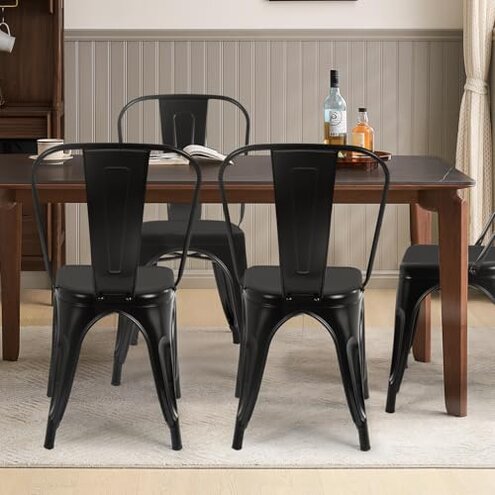
“Why does my chair rock even on a flat floor?”
Regret moment tends to hit on first setup when one chair feels uneven and distracts you at the table. Severity is often described as more disruptive than expected because the motion is felt on every sit.
Pattern shows up repeatedly across feedback, though it is not universal across every set. Trade-off is that you get the industrial look, but you may spend extra time making them usable.
When it appears is usually right after unboxing and placing on tile, wood, or laminate. Worsens when chairs get moved often, like in kitchens, rentals, or busy households.
Category contrast is that some wobble can happen with metal chairs, but buyers flag this as more frequent and less forgiving than typical mid-range alternatives.
- Early sign is one leg hovering slightly when you press on opposite corners.
- Primary issue is a rocking feel during normal meals, not just on rough patios.
- Usage trigger shows up more when chairs are dragged sideways or rotated often.
- Hidden requirement is needing felt pads or shims to get consistent contact.
- Fixability is mixed because some sets respond to padding while others stay uneven.
“Why is the finish wearing so fast?”
- Recurring pattern appears repeatedly as early scratches or chips during daily handling.
- When noticed is often within the first weeks, especially after stacking or moving.
- Worse conditions include frequent cleaning, chair-to-chair contact, and tight storage spaces.
- Category baseline is minor scuffs are normal, but this is framed as faster than expected.
- Real impact is visible wear that makes “new chairs” look used in a short time.
- Workarounds often involve adding pads at contact points and being careful when stacking.
- Not universal because some owners report acceptable wear when the chairs stay mostly in place.
“Are these actually comfortable for dinner and work?”
- Secondary issue shows up often as discomfort during longer sits.
- When it hits is during meals that run long or when used as a quick desk chair.
- Common complaint is a hard seat feel that pushes you to add a cushion.
- Worsens for slimmer seats, taller users, or anyone sensitive to firm edges.
- Category contrast is metal side chairs are rarely plush, but many mid-range sets feel less punishing.
- Hidden cost is buying cushions that fit the seat shape and don’t slide.
- Mitigation works best with non-slip pads or tie-on cushions to reduce shifting.
- Edge benefit is comfort matters less for short sits in kitchens or extra seating.
“Why do they feel ‘cheap’ once you live with them?”
- Persistent theme is value disappointment after the novelty look wears off.
- When it appears is after a few weeks of routine use and cleaning.
- More disruptive than expected because small annoyances stack up into daily friction.
- Typical signals include minor fit inconsistencies across chairs in the same set.
- Scope note shows across multiple feedback styles, including visual posts of defects.
- Mitigation is checking each chair immediately and keeping packaging for quick returns.
Illustrative excerpts (not real quotes)
- “One chair rocks no matter where I put it.” Primary pattern tied to stability.
- “Scratched fast just from stacking twice.” Primary pattern tied to finish wear.
- “Looks great, but I need cushions to sit longer.” Secondary pattern tied to comfort.
- “Not really ‘ready to use’ without pads.” Primary pattern tied to hidden tuning.
- “I expected sturdier for everyday kitchen use.” Secondary pattern tied to value feel.
Who should avoid this
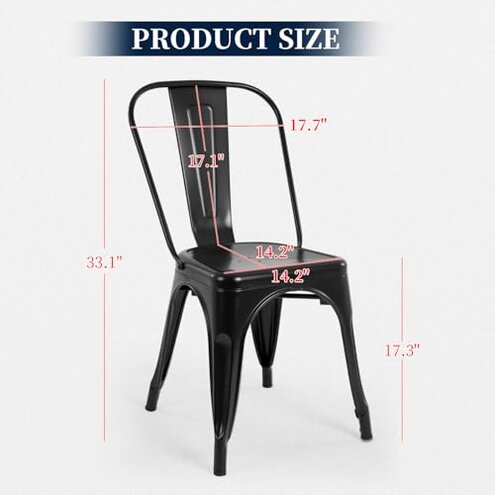
- Perfectionists who notice wobble immediately and hate constant micro-annoyances.
- Busy kitchens where chairs get dragged and stacked, increasing scratch and chip risk.
- Long-sit households that do homework, game nights, or desk work at the table.
- Low-effort buyers who want truly “unbox and done” without adding pads or shims.
Who this is actually good for
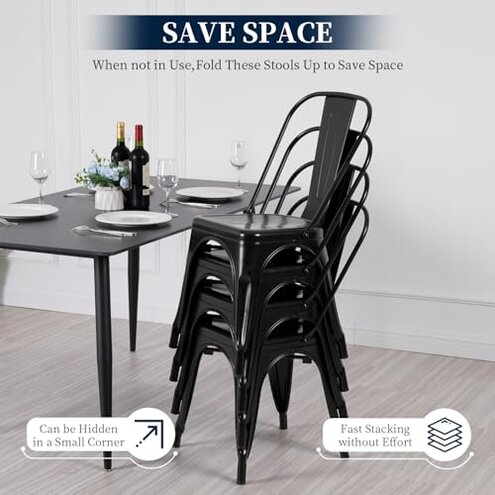
- Short-use seating where people sit briefly and comfort complaints matter less.
- Style-first buyers who accept touch-ups and careful handling to protect the finish.
- DIY-tolerant owners willing to level chairs with felt pads and check fasteners.
- Extra chairs for occasional gatherings where daily wear is not the main story.
Expectation vs reality
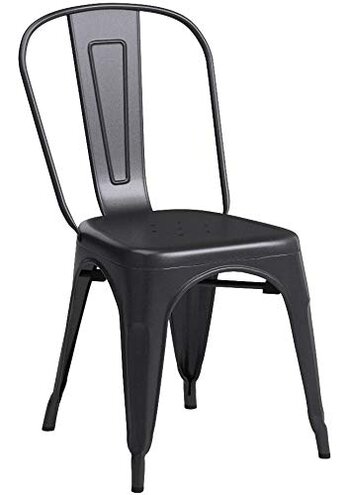
Expectation (reasonable for this category): metal chairs may feel firm, but they should sit flat without fuss.
Reality: wobble is a primary complaint and can require extra steps to stabilize.
- Expectation: scratch-resistant means normal moving won’t show much wear.
- Reality: early cosmetic damage is a primary theme, especially with stacking.
| What you plan | What buyers report |
|---|---|
| Daily dining for years | More upkeep and careful handling than expected |
| Indoor/outdoor flexibility | Wear sensitivity that can show faster with frequent moves |
Safer alternatives
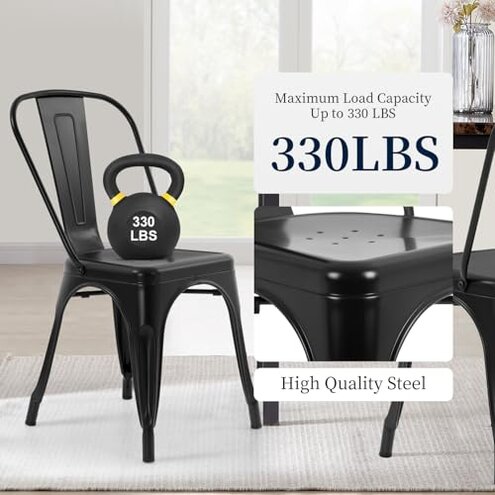
- Prioritize leveling by choosing chairs known for consistent leg contact to reduce the wobble risk.
- Pick protected finishes with better real-world chip resistance if you will stack or store tightly.
- Choose comfort-first seats or bundled cushions if you regularly sit longer than a quick meal.
- Buy from easy returns so you can reject uneven sets immediately after first-floor testing.
- Avoid frequent stacking by selecting designs meant for high-cycle stacking if that’s your routine.
The bottom line
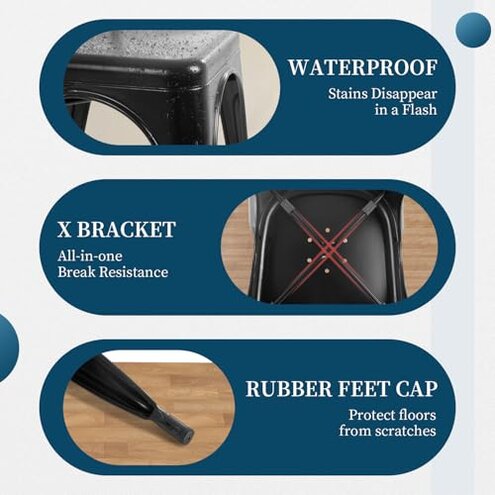
Main regret trigger is stability and finish wear that shows up during normal daily use, not rare edge cases. Category risk feels higher than normal because the fixes often require extra steps and ongoing careful handling.
Verdict: avoid if you need reliably flat, low-maintenance dining chairs, and you do not want to troubleshoot furniture on day one.
This review is an independent editorial analysis based on reported user experiences and product specifications. NegReview.com does not sell products.